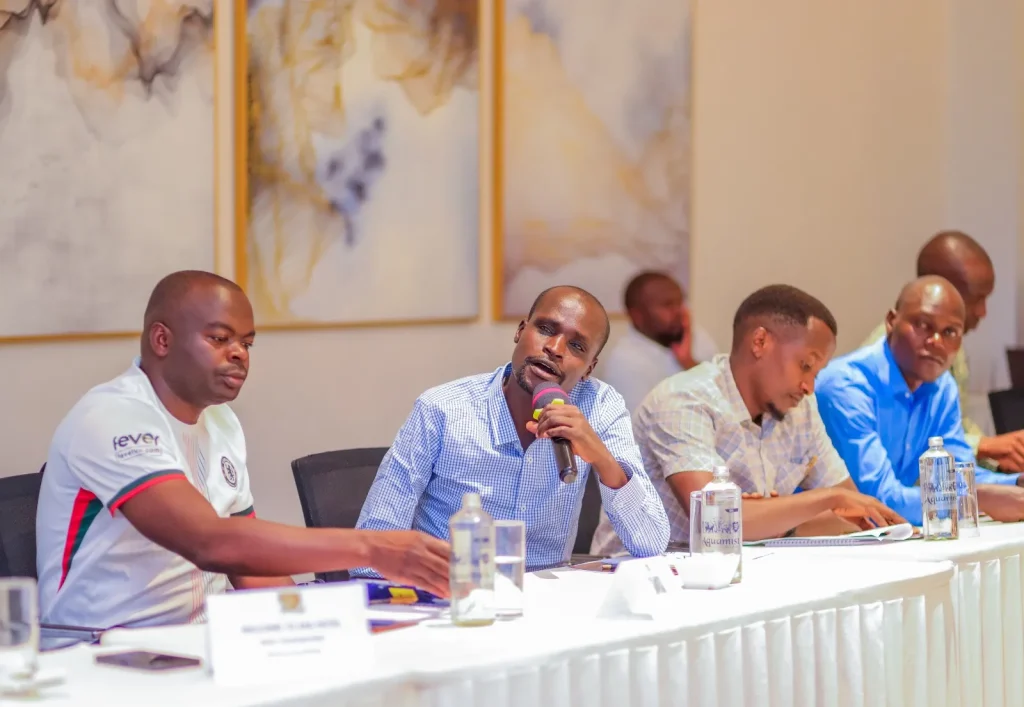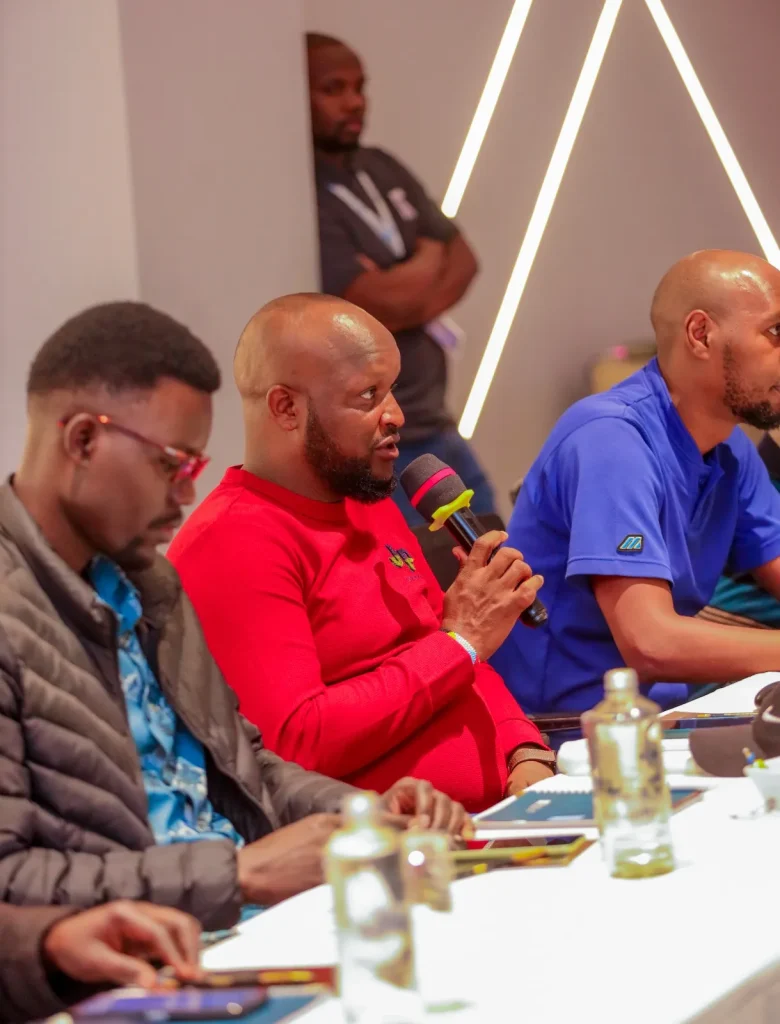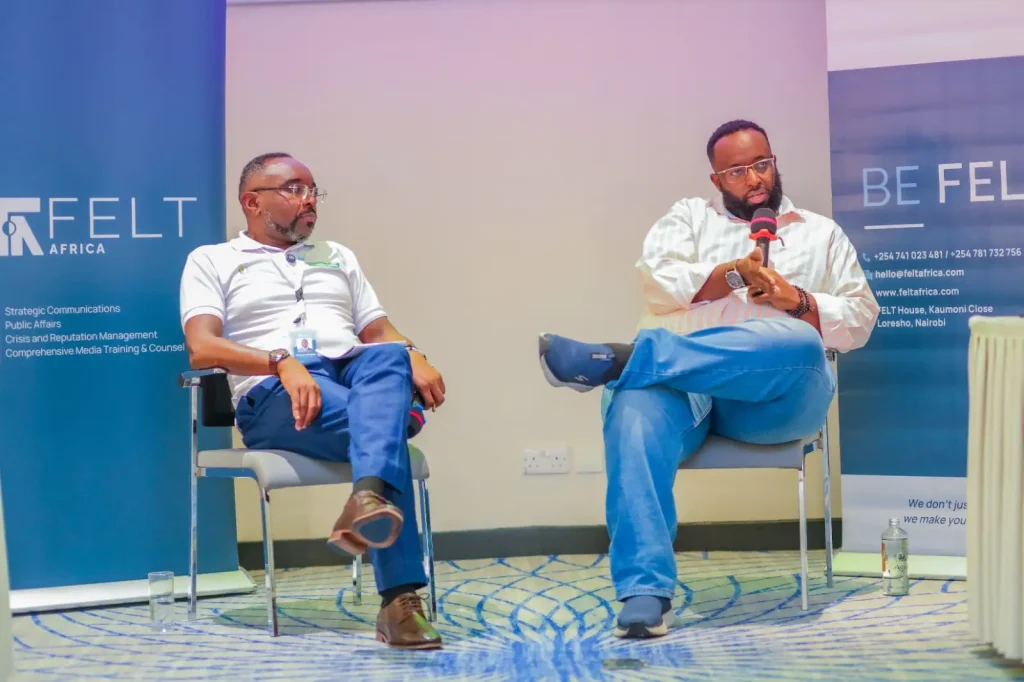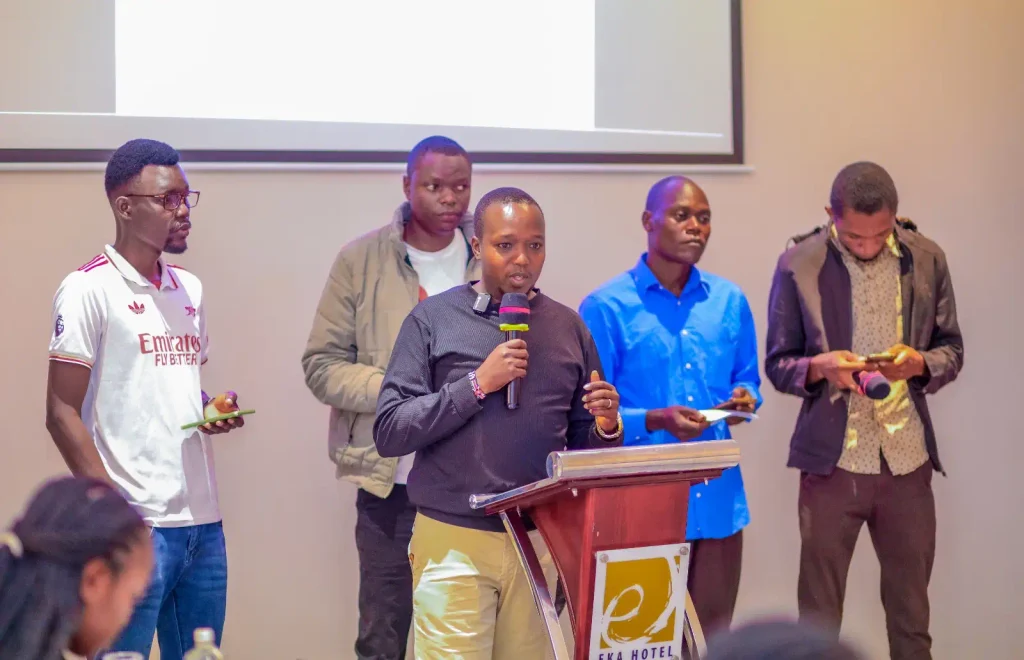

Dennis Onsarigo Takes the Government & Policy Stage at Africa Global PR Week 2026

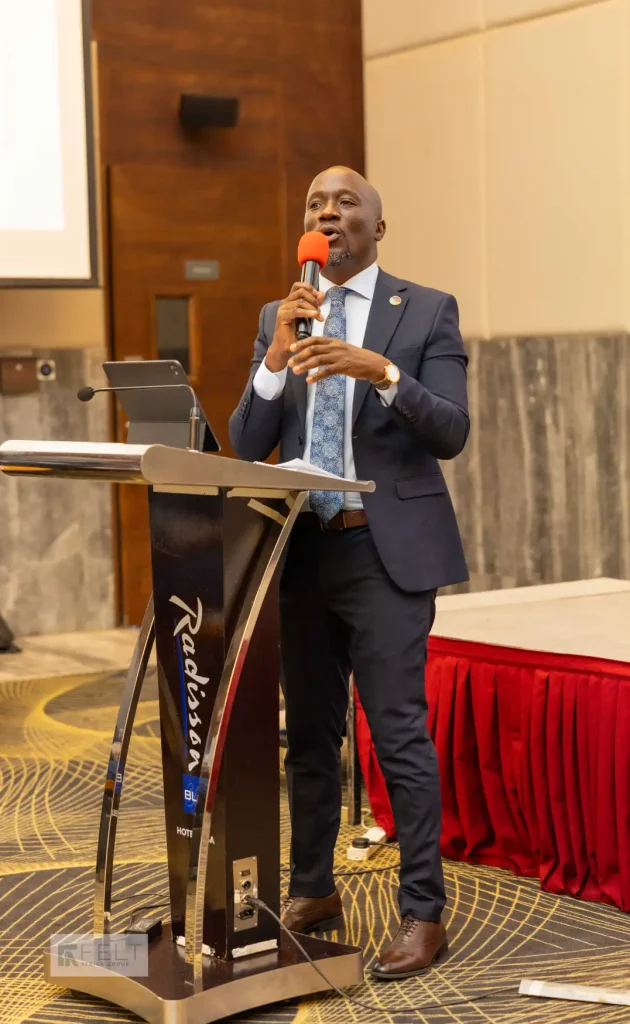
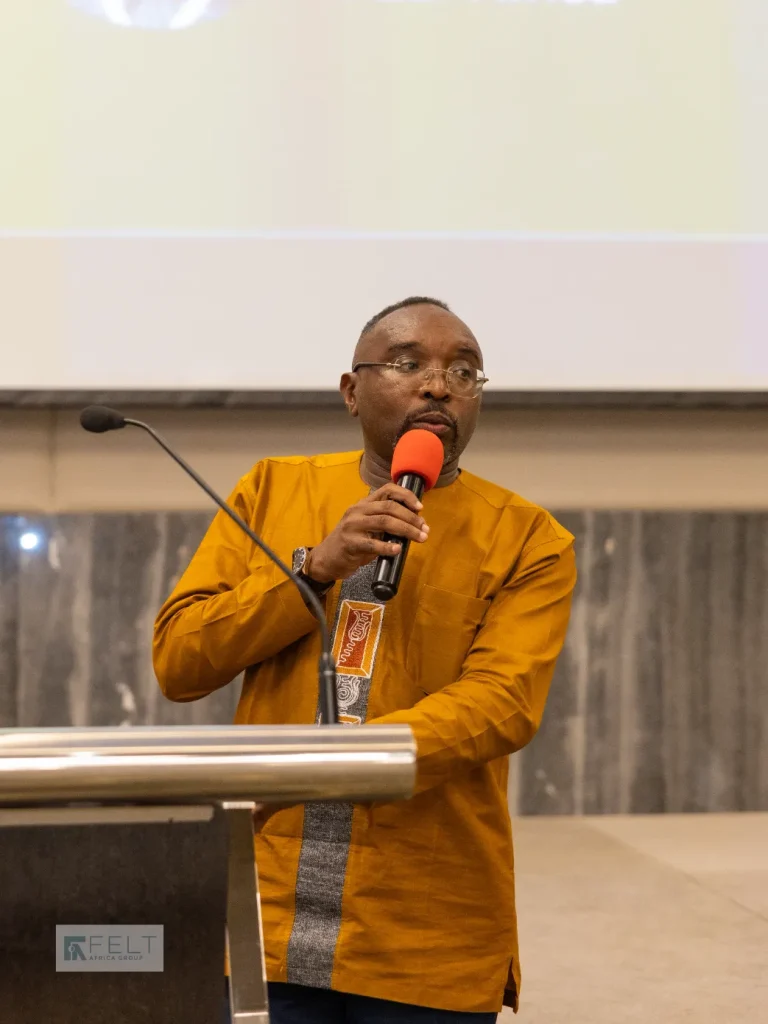
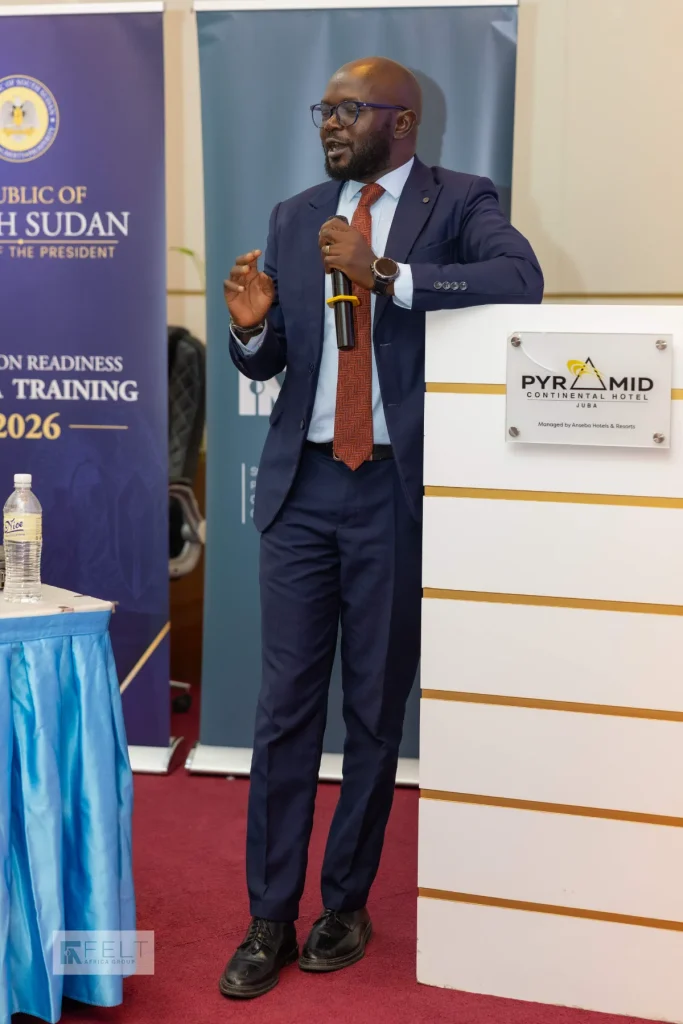
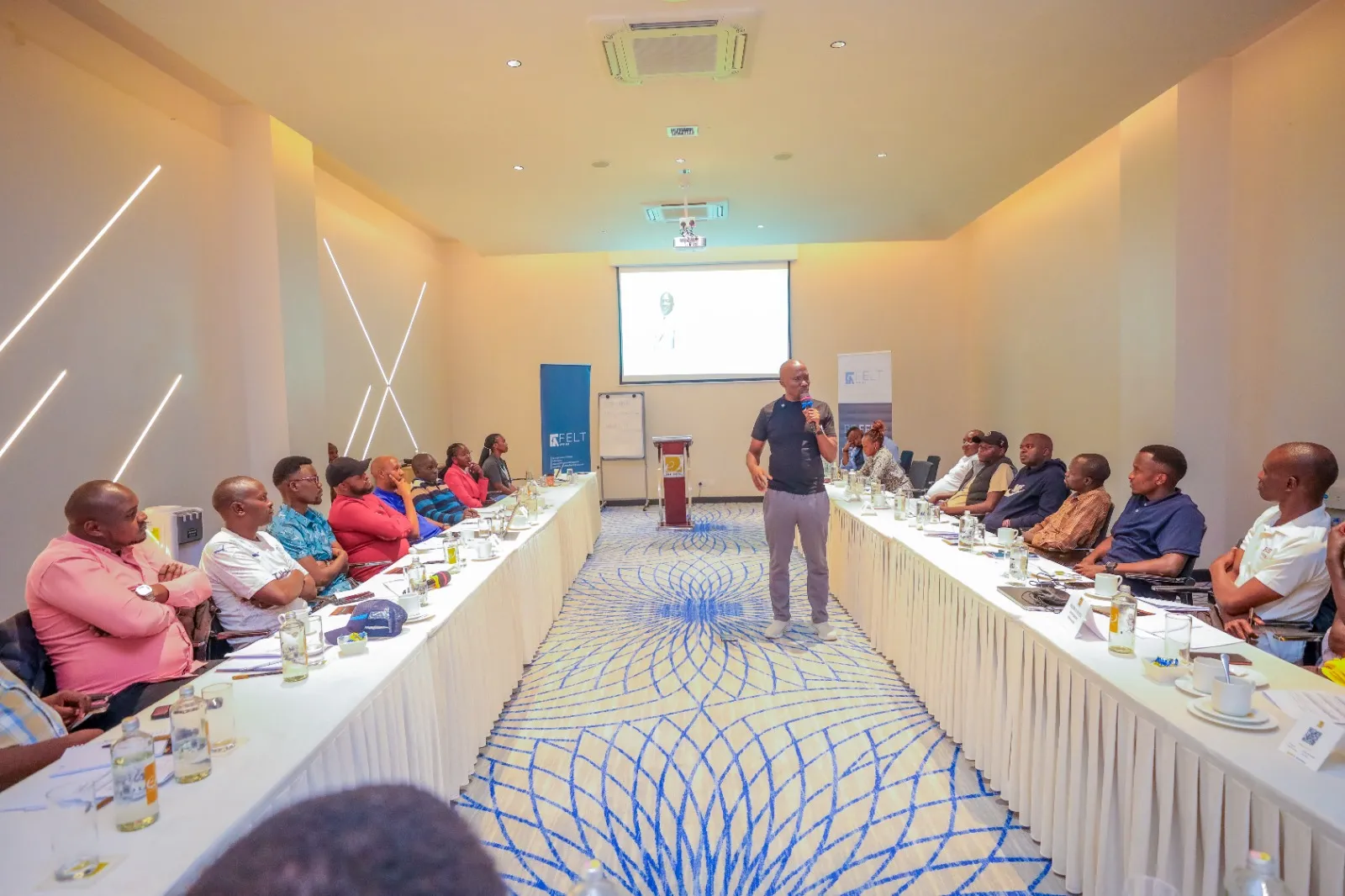
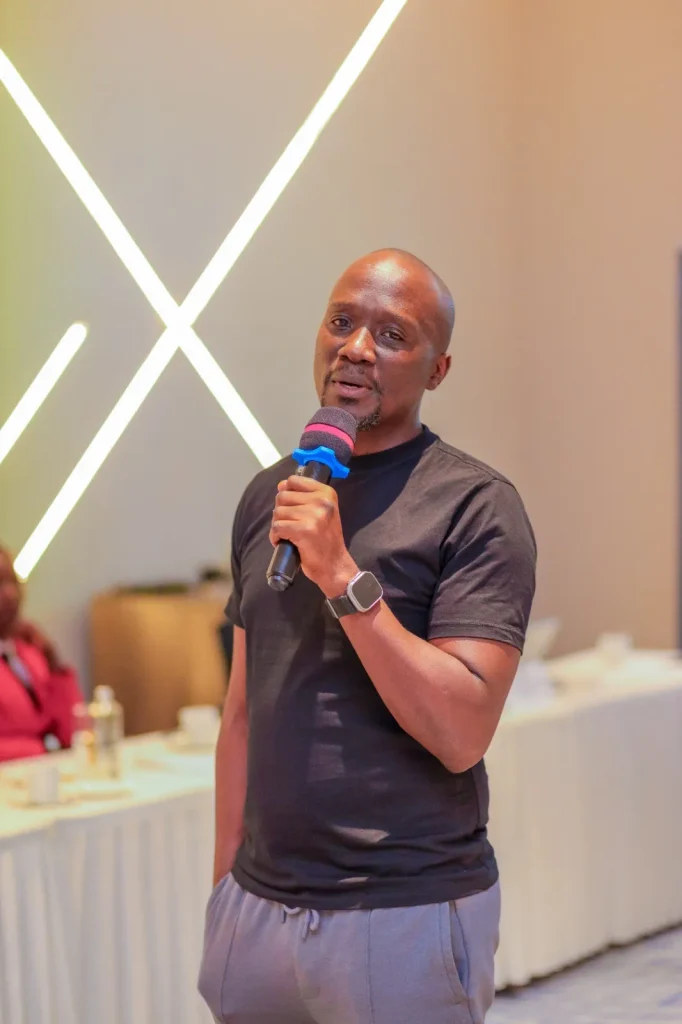
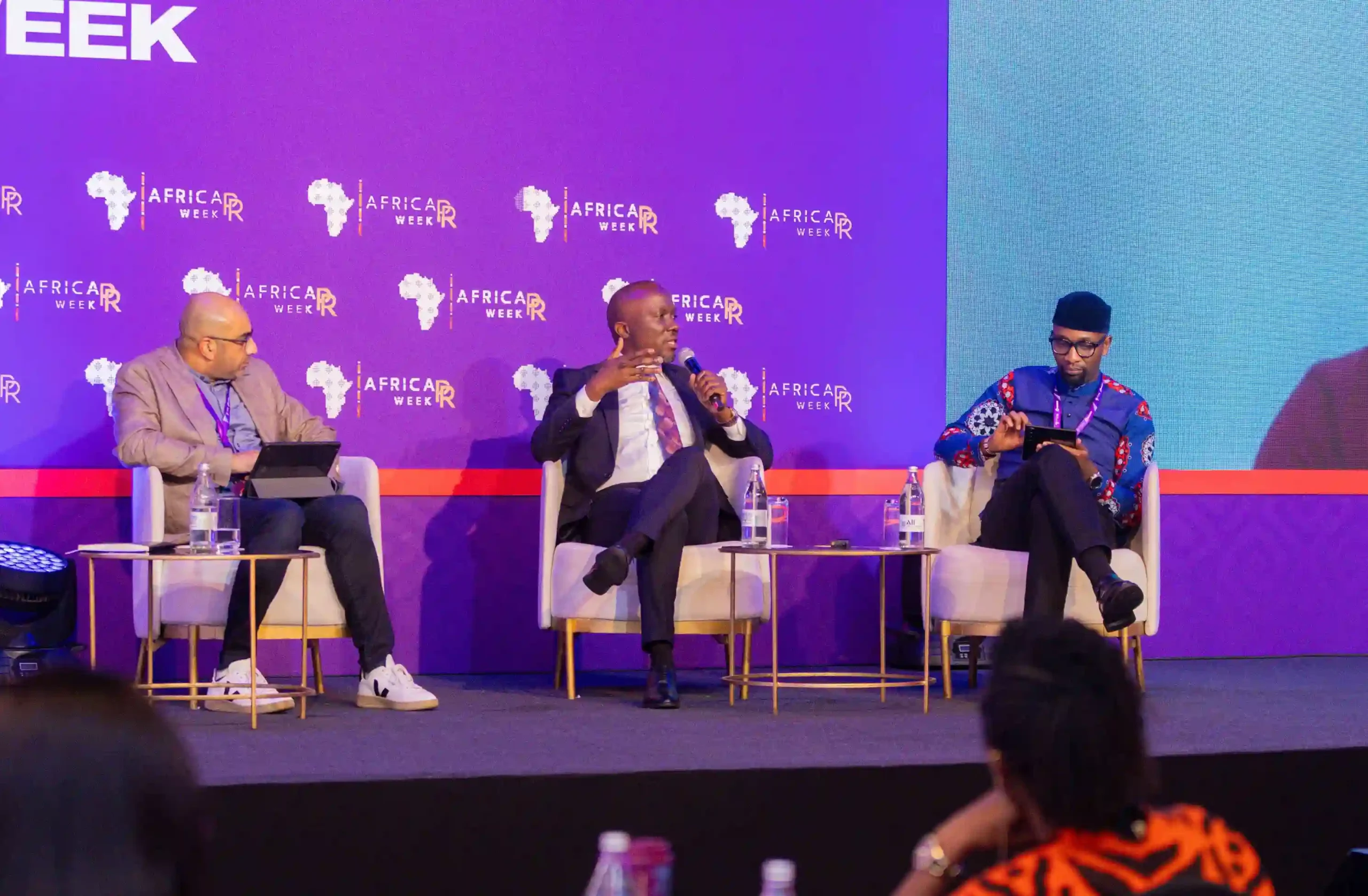
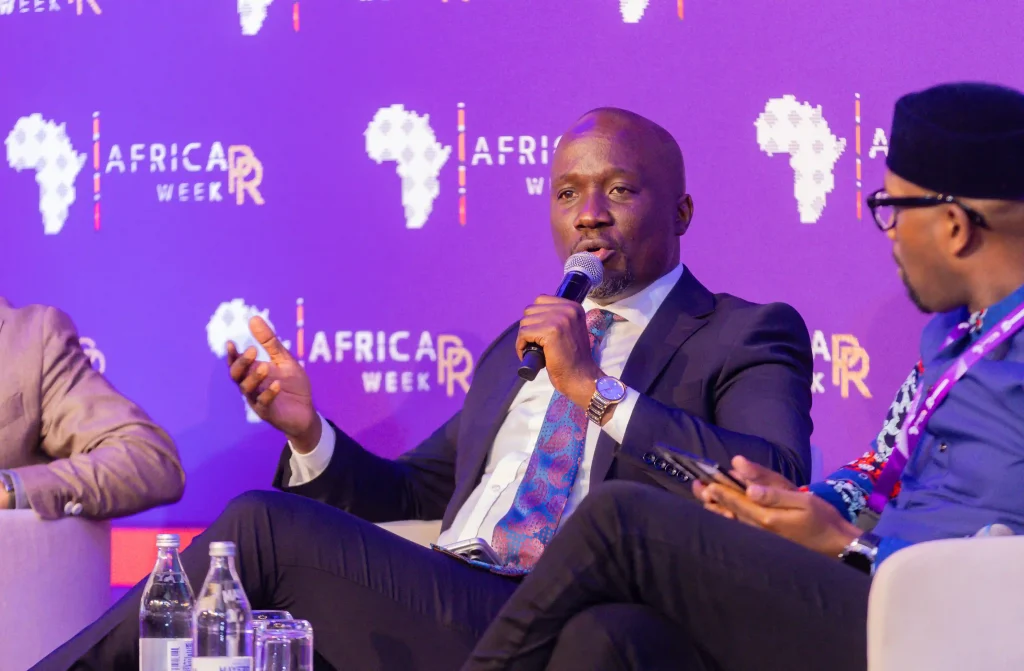
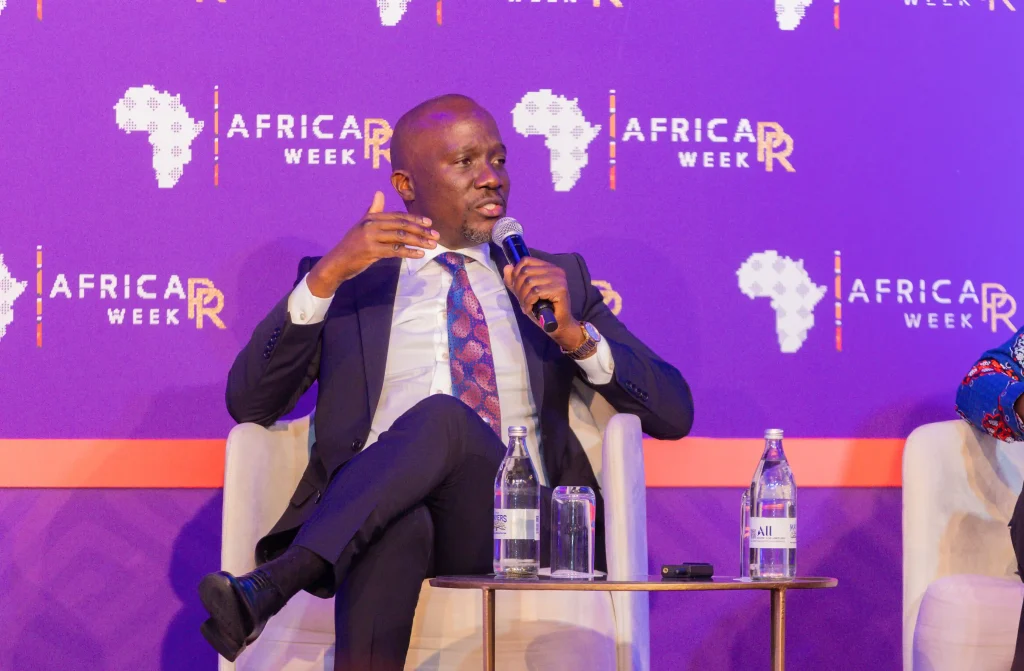
Some speakers walk onto a panel with a script. FELT Africa’s Group Chairman Dennis Onsarigo walked onto the Africa Global PR Week 2026 stage at with… an elephant!

Not literally, of course. But within his first few minutes on the panel titled “The Power of Communication in Shaping Public Policy, Governance & National Development,” he painted a picture that will live long in the memory: a slender mahout in India, guiding a full-grown elephant into a circus ring through skill alone.

That, Dennis told the audience, is the job of a communicator. Not to fight governance, but to guide it. To ride it.

In his own words: “Every time I run into communicators in this room, I always think of a slender guy somewhere in India on top of an elephant. With skill, this man is able to guide this elephant into a circus and people are entertained. That is our job as communicators, to ride this elephant called governance.”

That set the tone for a conversation that never once slowed down.

The Panel

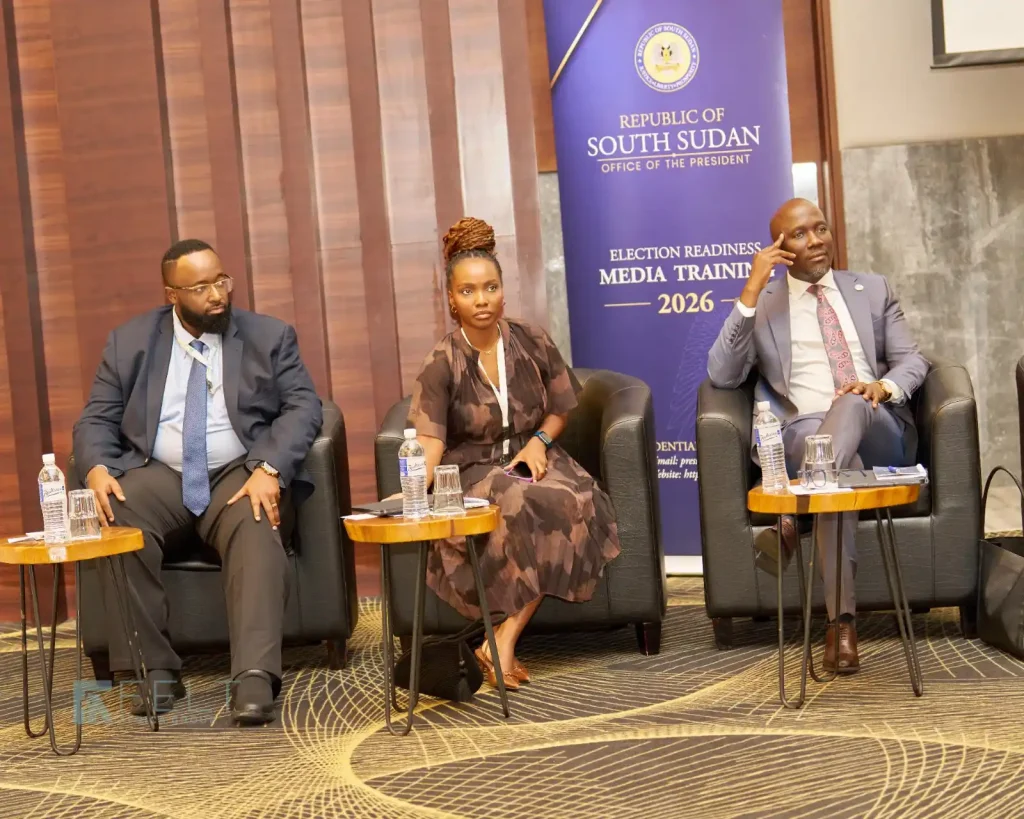
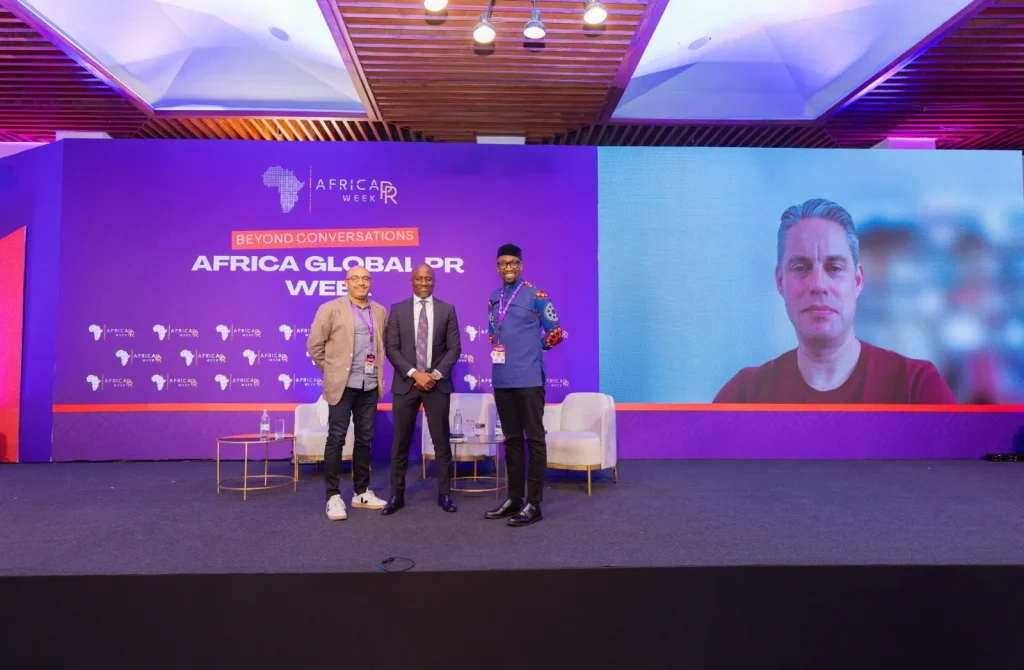
This was the panel line-up that told delegates how seriously the organisers took the ‘Government & Policy’ conversation. Sitting alongside Dennis were:

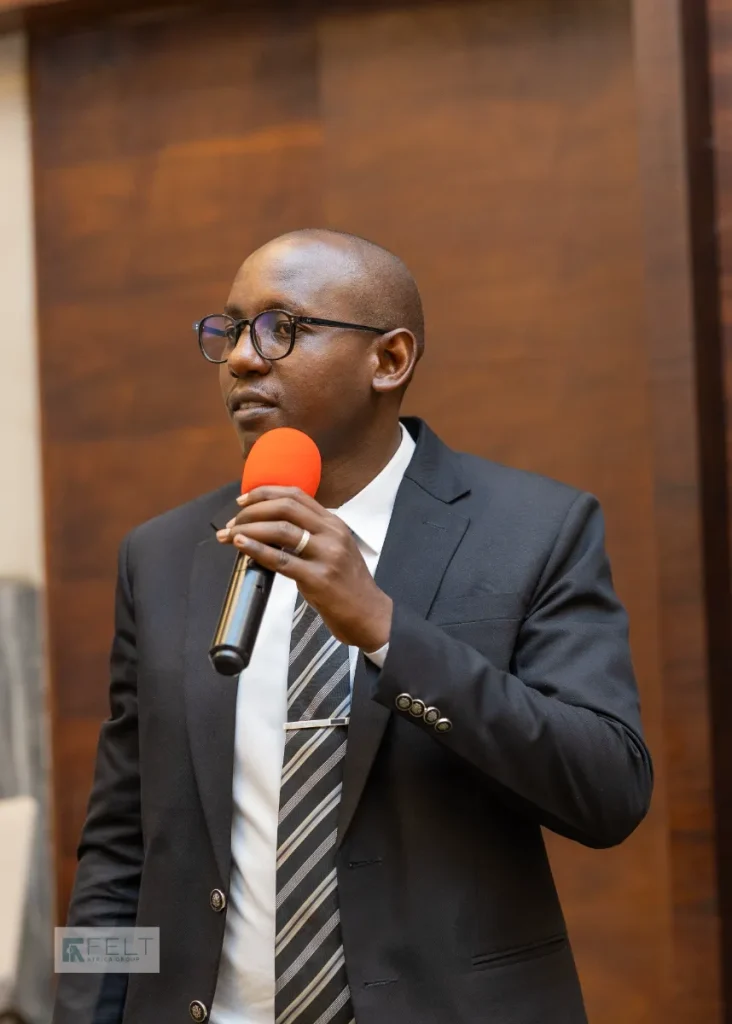
  • Abdul Waheed Patel, Founder and CEO of Ethicore, a firm operating at the sharp edge of policy, regulatory and political process advisory;
  • Simon Baugh CBE, who ran Government Communications for the entire United Kingdom and sat on the executive committee at 10 Downing Street and the Cabinet Office; and
  • Maina Chege, the Founder of Frontlite Media, as the moderator.

These are not people who speak about governance from the outside. Simon Baugh has personally owned the risk register for public trust in one of the world’s most scrutinised governments. Abdul Waheed Patel has built a career on the exact gap between policy decisions and the communication that follows, or too often, fails to follow them. Our Chairman – a seasoned campaigner with 2 national elections in his belt – was right at home on that stage, full of the ideas that shaped the direction of the entire discussion.
Politics First, Everything Else After

Dennis opened with a position that some in the room may not have expected from a strategist known for building political powerhouses. Africa’s challenge, he argued, was never a shortage of resources, talent, or ideas – but politics itself. Fix the politics, and governance follows. Fail to fix it, and no communicator in the room, however skilled, will be able to explain what governments do, because there will be nothing coherent to explain.

It is a hard truth, delivered without softening, and it framed everything that came after it.

“The problem with this continent is not a lack of resources, great minds, or innovation,” he said. “The problem with this continent is politics. If we cannot fix our politics, we cannot fix governance. And if we cannot fix governance, communicators in this room will not be in a position to communicate what governments do.”
“We Work With States, Not Governments”

The moment that seemed to land hardest with the audience came later, when a delegate asked how public trust survives when communication strategy itself changes with every election cycle. Dennis answered with the philosophy that now defines how FELT Africa approaches government work across the continent.

Governments change, he said. States do not. FELT Africa’s focus has shifted from serving whoever holds power in a given term to serving the institution that outlasts any single administration. That means pushing for unified communication blueprints that survive a change of government, blueprints that a new administration inherits and continues. Without that, Dennis argued, every resets the relationship between citizens and their government back to zero.

“Governments must be in a position to adopt a unified communication approach,” he said. “If a government comes into power tomorrow, it should be willing to allow someone else to sit there and continue implementing this strategy.”

It is a philosophy built directly out of FELT Africa’s own practice areas: Government & Public Sector Advisory and Public Affairs & Government Relations. They are the deliberate response to exactly the problem Dennis described on that stage.

The Closed Feedback Loop

One of the most striking moments of the session came when a delegate pressed the panel on the disconnect between government policy and public communication. Dennis’s answer stripped away the polish.

“The feedback loop is closed,” he said. “Governments sit in a room, make decisions, and then come out and announce those decisions. As communicators, we are not allowed to sit in those rooms to have such conversations with government officials.”

He drew on his own record for proof, saying that when you sit with a leader such as the late former Prime Minister Raila Odinga, who valued public participation more than most, it becomes clear how far there still is to go in bringing citizens into the room where the real decisions get made.

That gap catches up with leaders eventually. “After many years, you sit in a room with a top government official, and he tells you, ‘Can you fix this communication gap? Why are these people not understanding that I’ve done so much for them?’ But he doesn’t realize that the time to communicate was while he was settled in office, not when seeking re-election.”

Where The Room’s Questions Kept Going

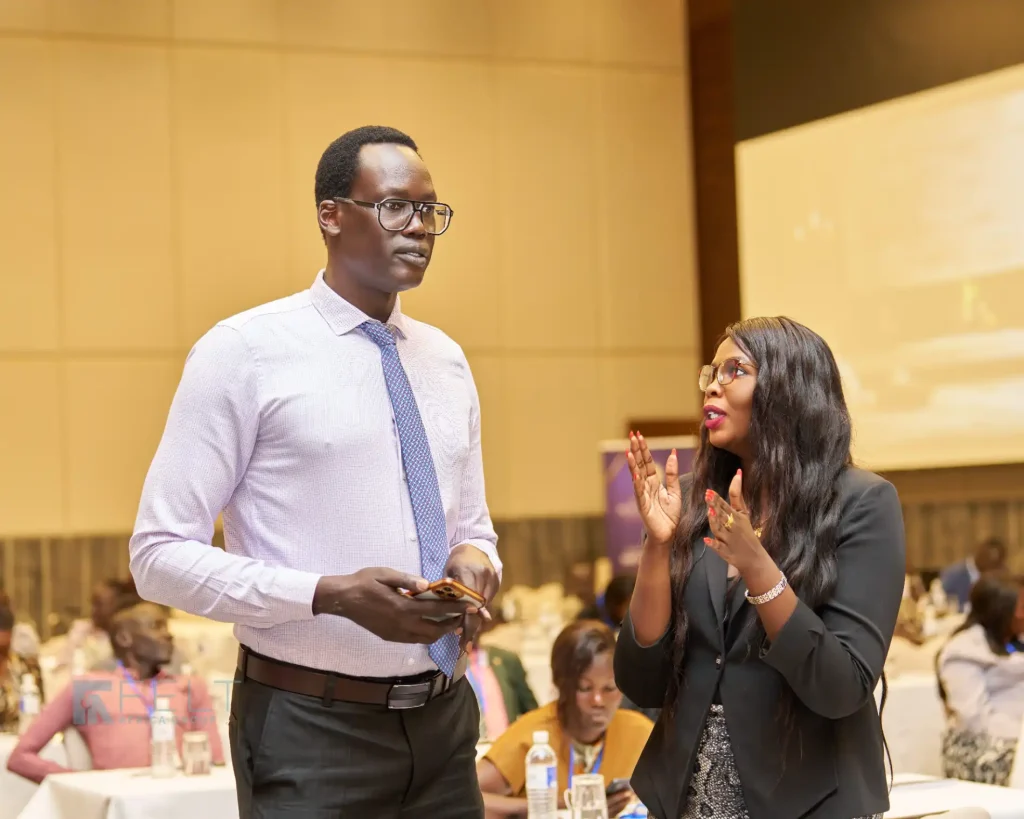
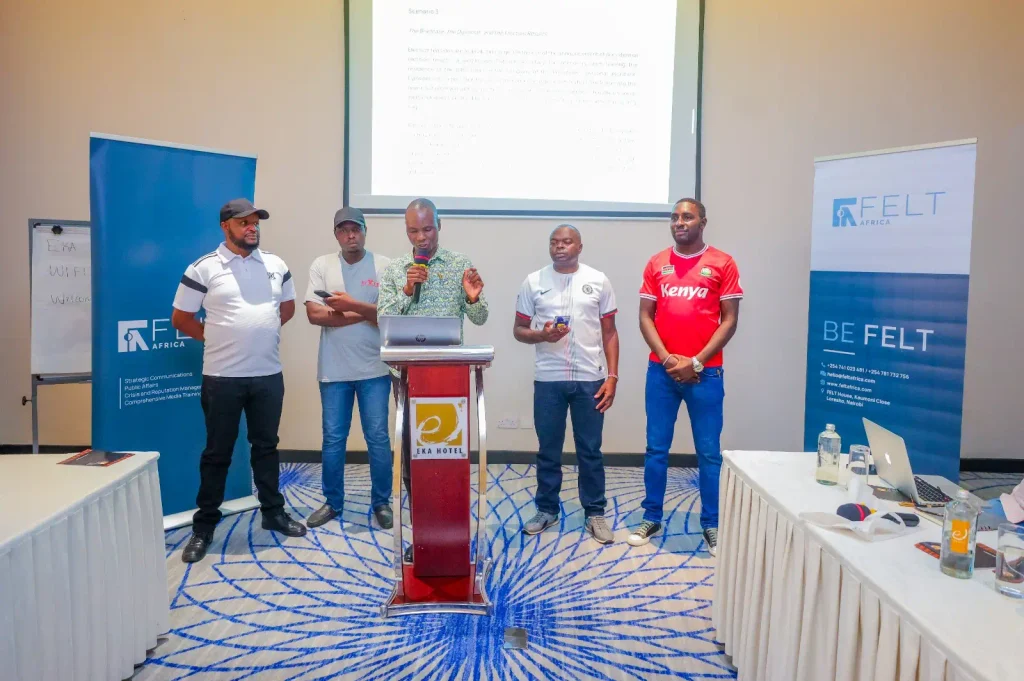
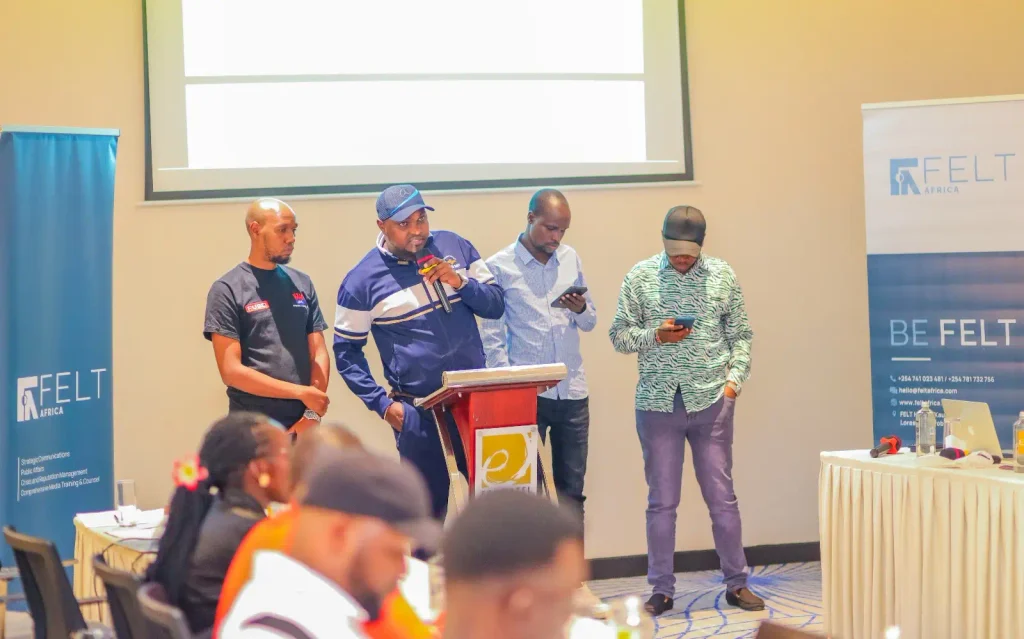
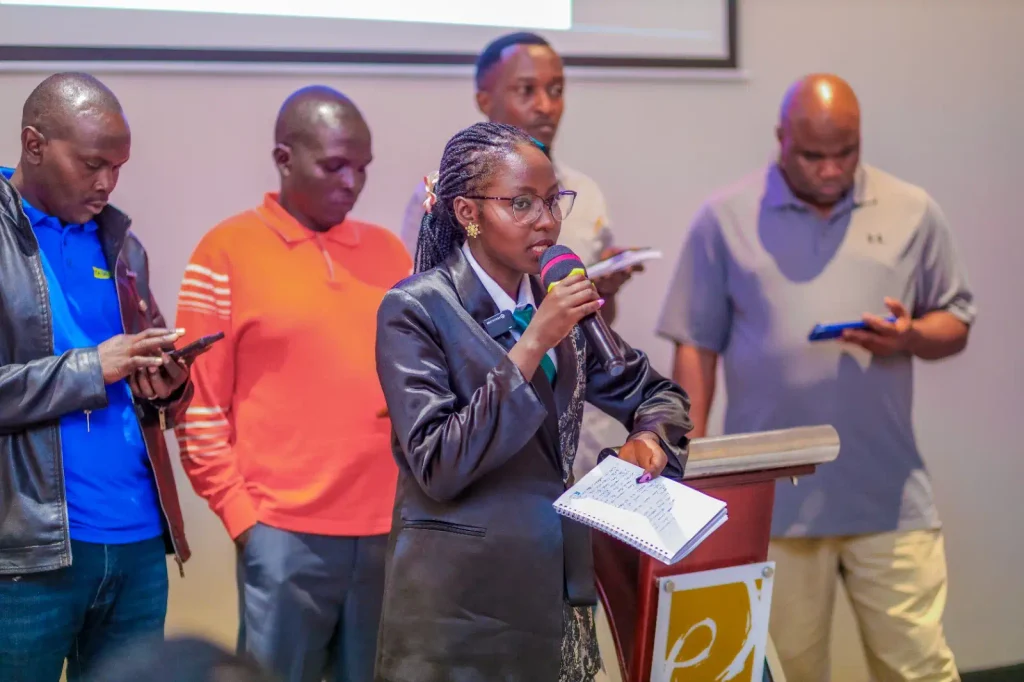
By the time the floor opened for audience questions, the moderator had a familiar problem: too many good ones, and not enough time. Delegates voted on their phones for the questions they most wanted answered, and the panel worked through as many as the clock allowed.

But Dennis’s inbox of questions kept growing faster than the panel could clear it. By the moderator’s own count, 16 separate questions came in for him specifically.

Not to worry. Dennis has come to expect that kind of curiosity – having been a trailblazer in his 14 years in media, Press Secretary to former Prime Minister Raila Odinga through 2 of the most hotly contested elections in the country, and now serving as Strategic Communications Advisor to the Nairobi County Government.
Why The Stage Belonged to FELT Africa

Every practice area FELT Africa has built its name on found its way into this panel, tested in real time against some of the sharpest minds in global communication.

Conversations like this one matter, but FELT Africa’s role moves beyond discourse. We shape thinking, and then we go further, into the strategy, the execution, and the results that governments across the region and the continent depend on.
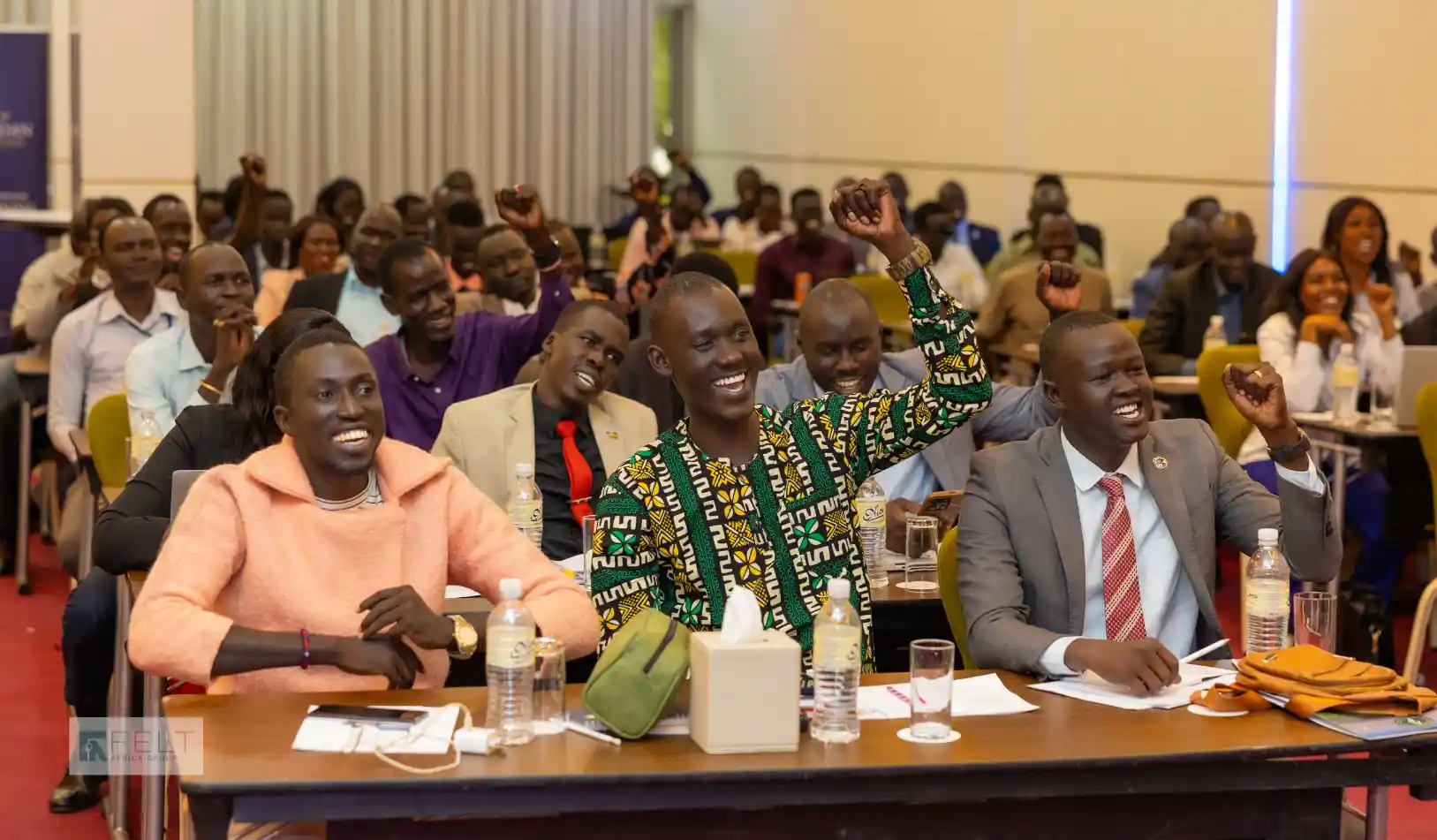
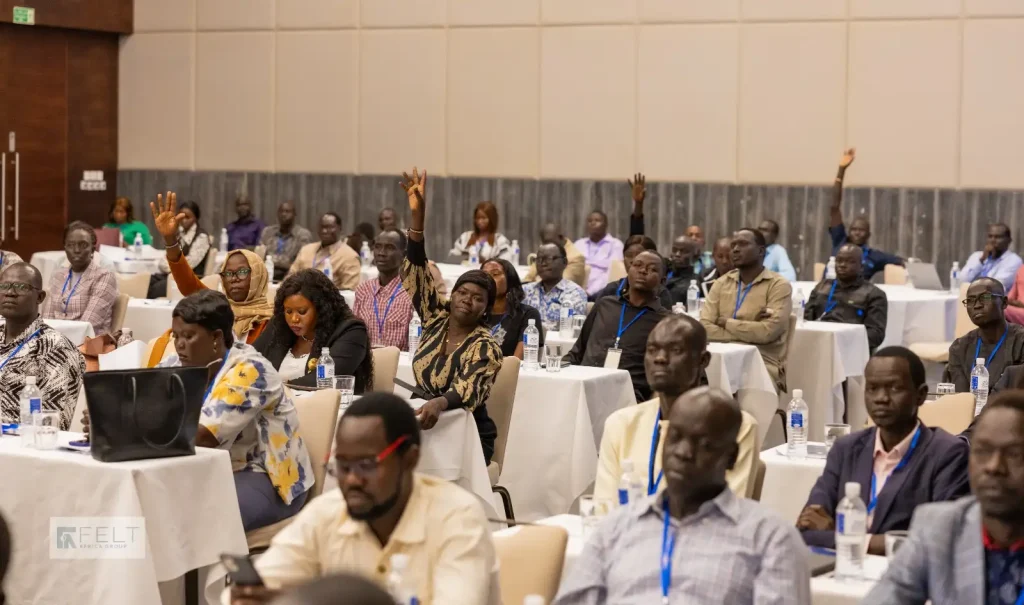
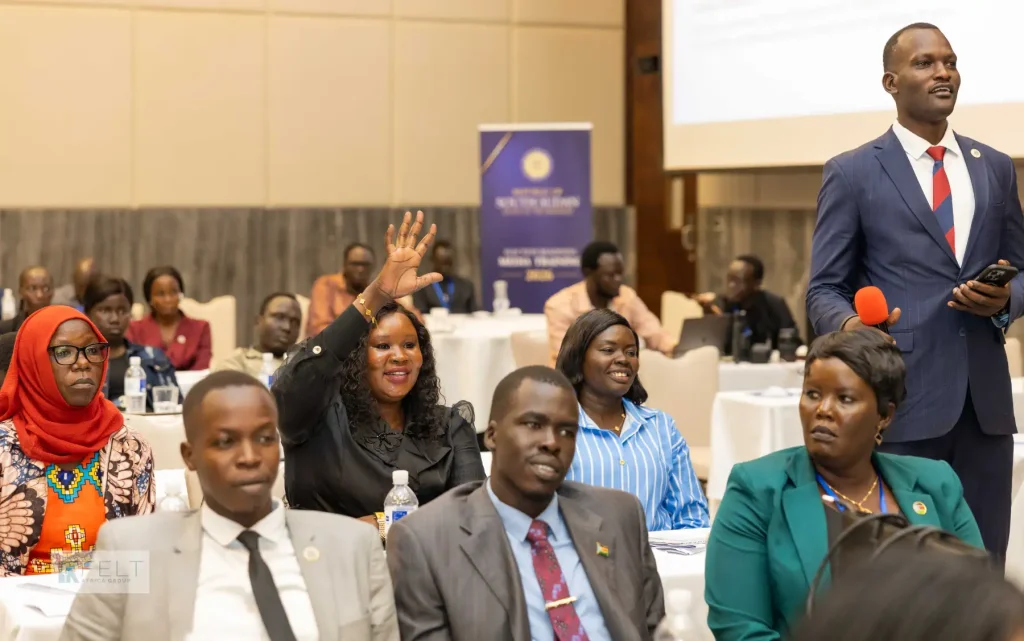
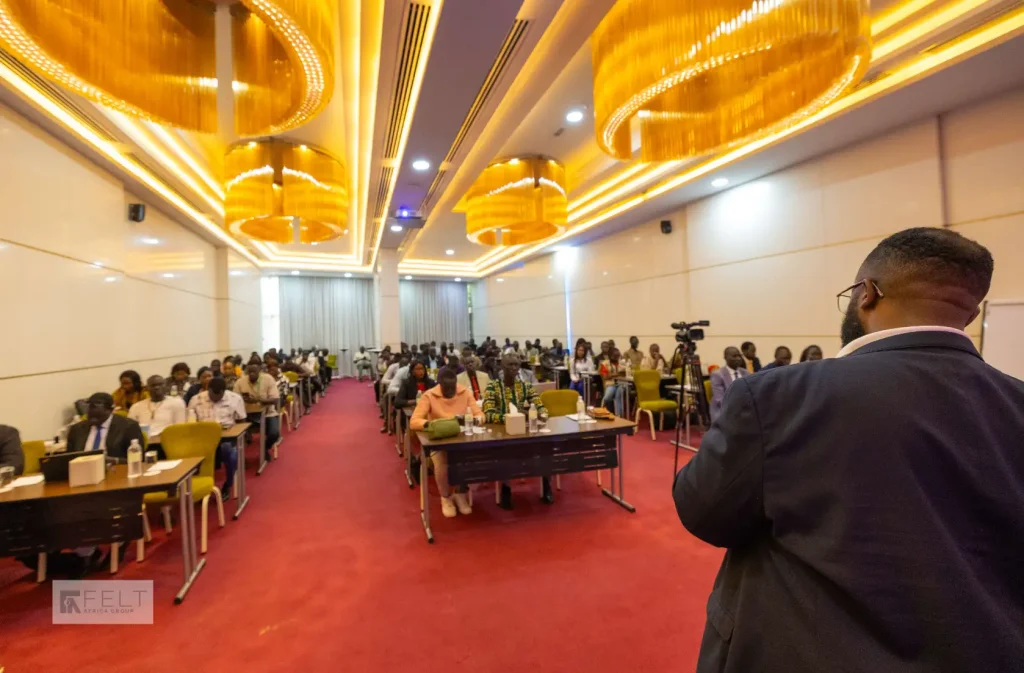
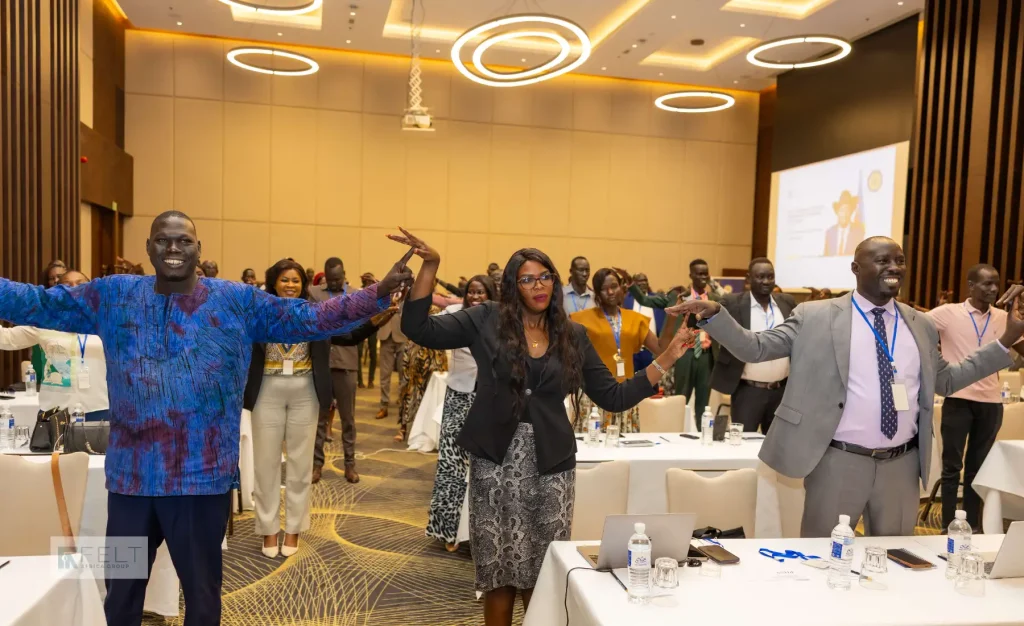
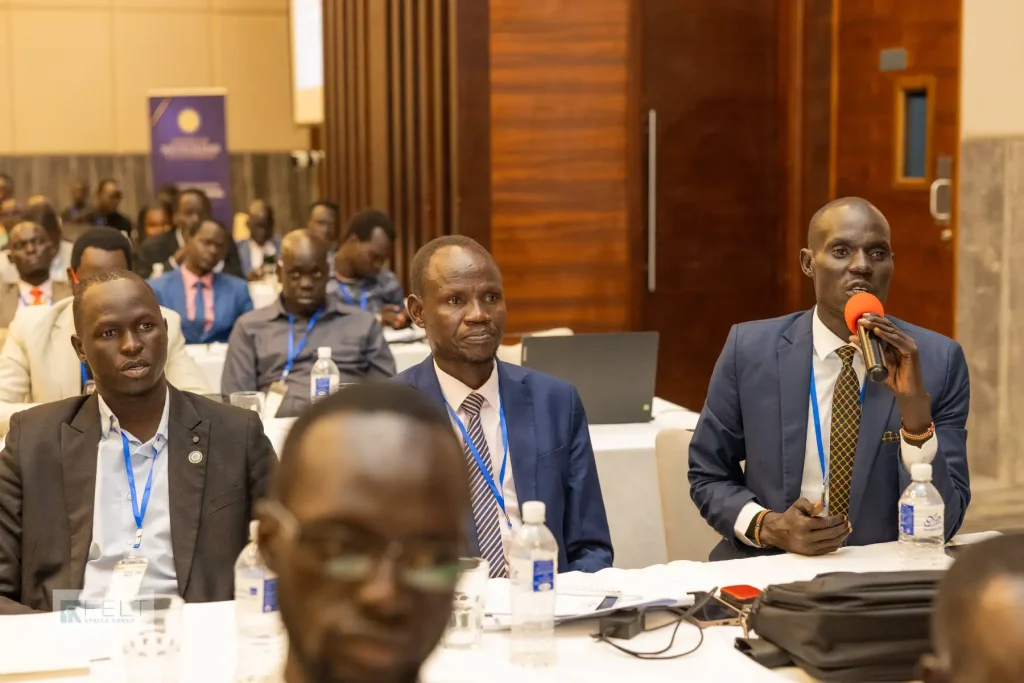
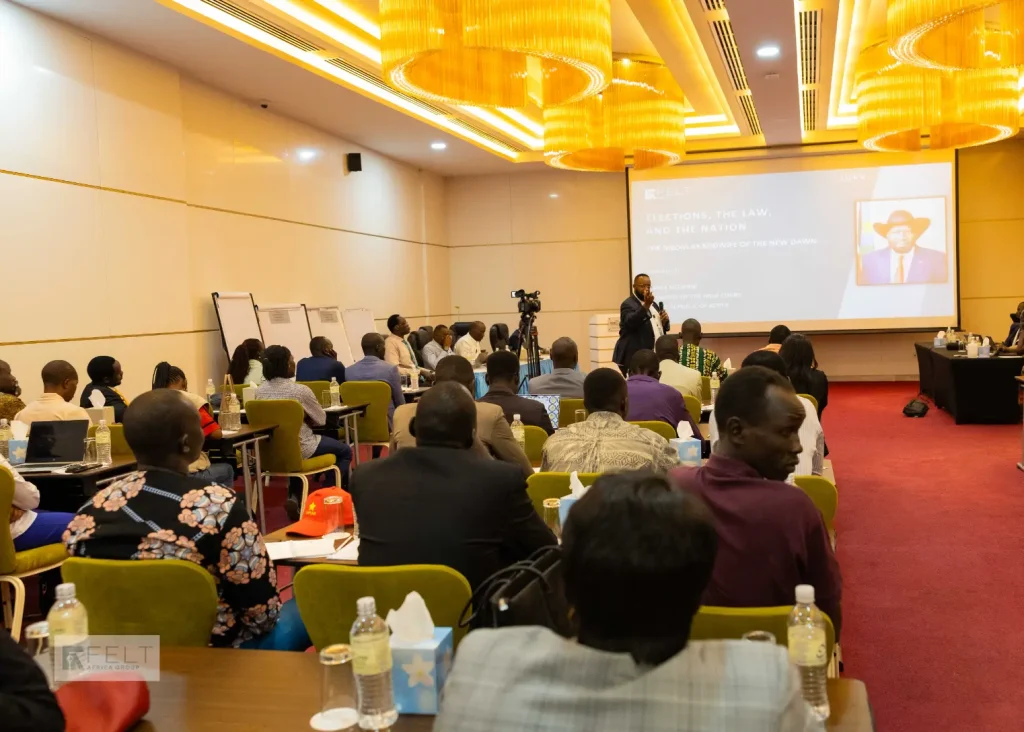
Case Study: How FELT Africa Prepared South Sudan’s Communicators For Their Nation’s First Election

Service Delivered: Election Readiness Media Training for Government and Party Communicators

At A Glance

Client Ministry of Presidential Affairs, Republic of South Sudan
Duration23 – 26 July 2026 
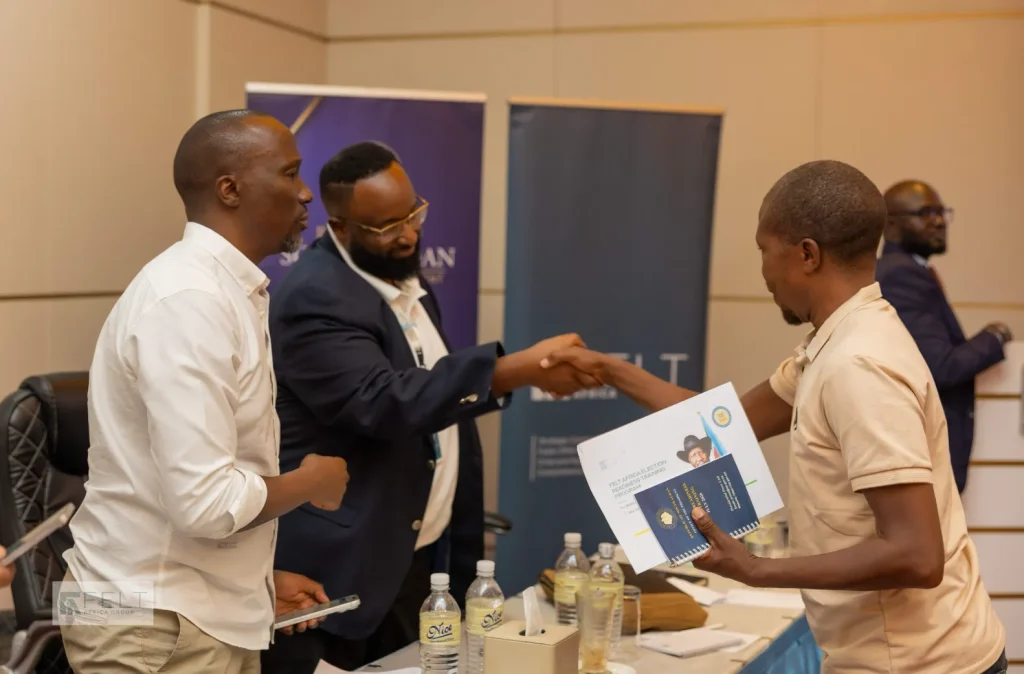
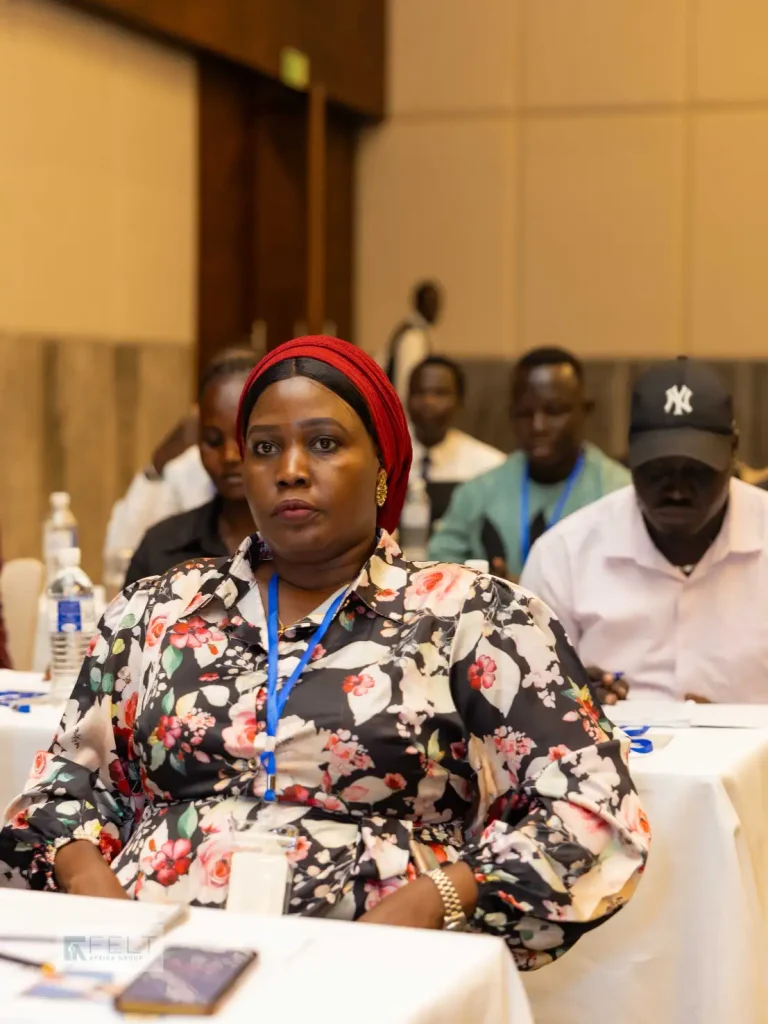
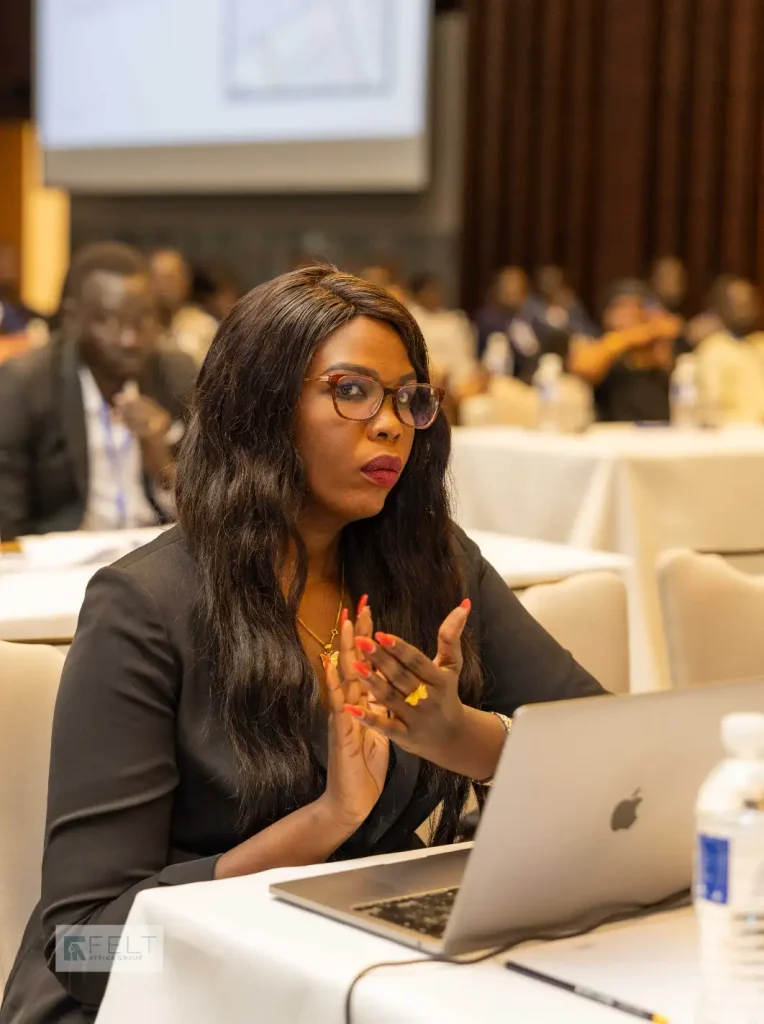
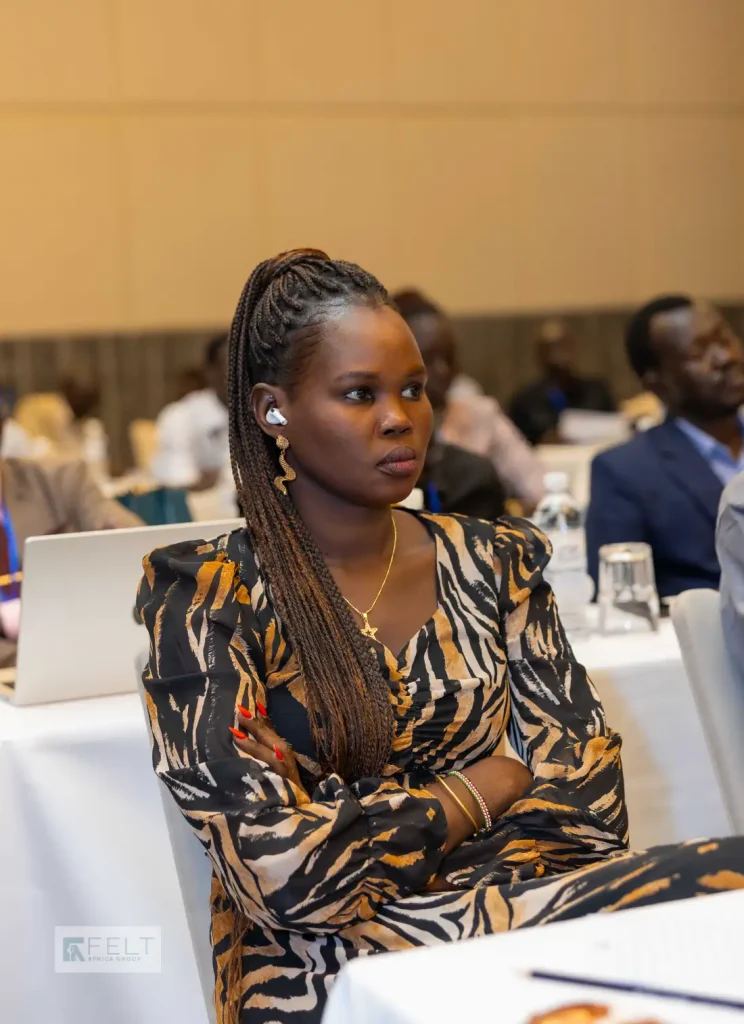
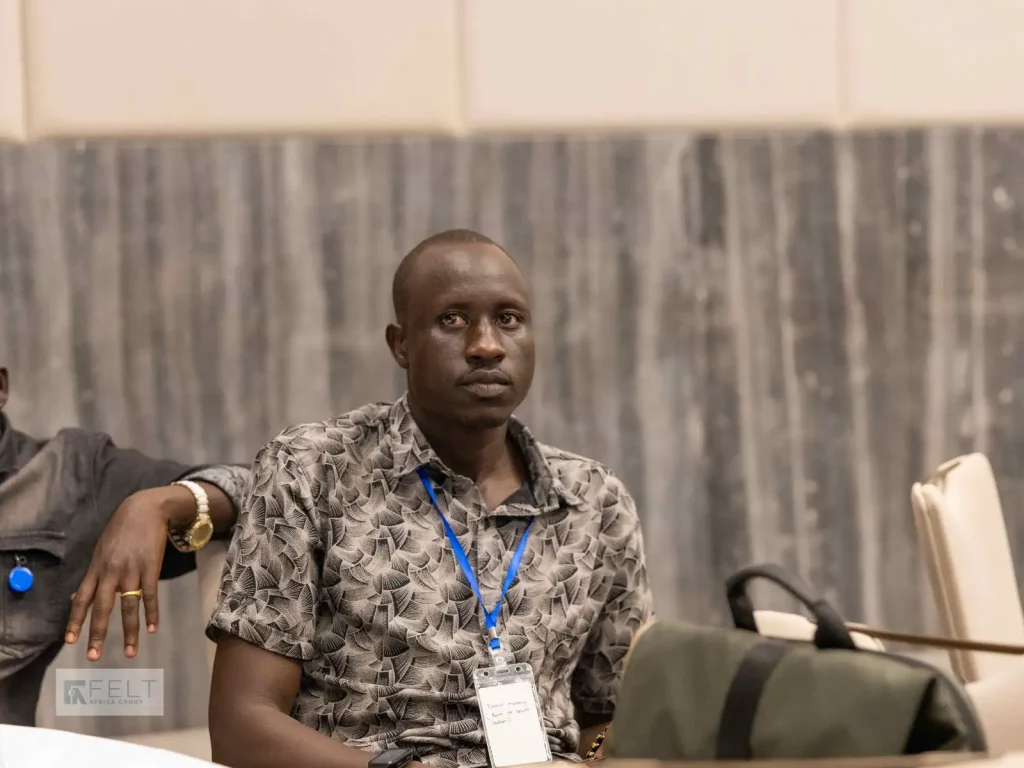
Scope4-day Election Readiness Media Training ahead of South Sudan’s first general election as a sovereign nation, scheduled for December 2026 
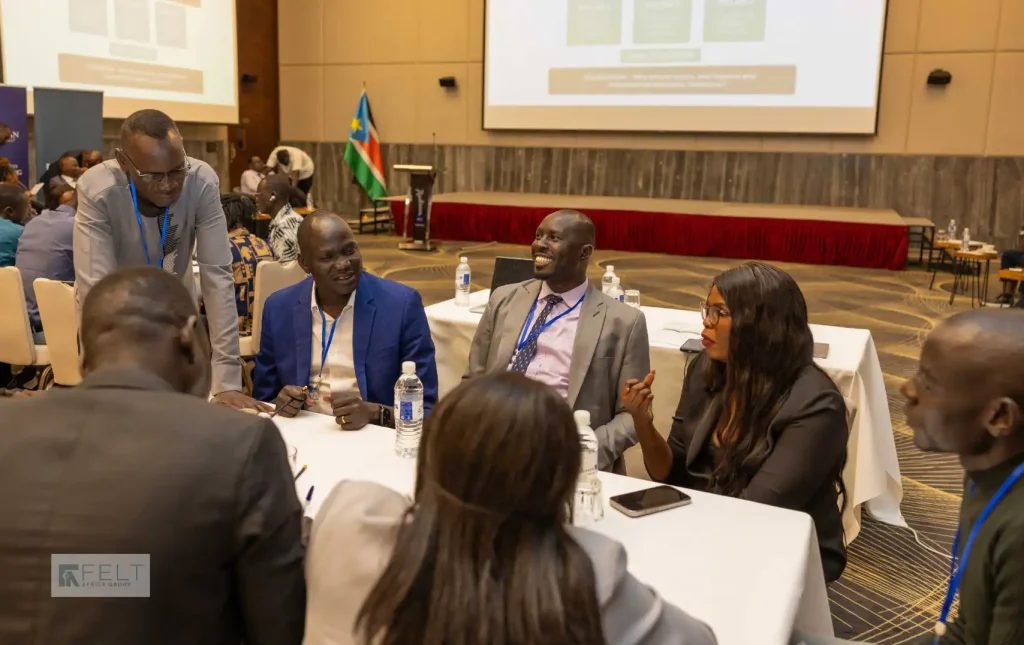
ParticipantsMore than 100 communicators drawn from SPLM Party press units, the Presidency, South Sudan Broadcasting Corporation, ministerial offices, state governors’ offices, envoys and advisors’ teams.

The Challenge

South Sudan’s December 2026 election stands as the most consequential political event in the country’s history: its first general election as a sovereign nation, held under the full glare of an active and highly attentive international media environment. 

The story that gains traction over the coming months will shape how South Sudan is perceived by regional partners, development partners, and the wider world for years to come.

That story rests on the shoulders of hundreds of individual communicators scattered across ministries, governors’ offices, party structures, and state broadcasting, each capable of shaping the national narrative for better or worse. A single inconsistent statement or avoidable error from any one of them carries the power to fracture months of careful positioning. 

President Salva Kiir Mayardit’s record, spanning the Revitalised Peace Agreement, the maintenance of national unity, and a sustained development agenda, demands communication delivered with confidence and consistency from every voice authorised to carry it, whether that voice sits in Juba or in a governor’s office ten states away.

Building that consistency across such a wide, dispersed communications apparatus, and doing so with a legal and digital literacy suited to a modern election contested as much online as in print, called for a capacity-building intervention few firms in the region could credibly deliver.

Why FELT Africa Was Engaged

FELT Africa arrived in Juba as a specialist partner built for precisely this terrain, sitting deliberately across 4 connected practices: government and public sector advisory, public affairs and government relations, political strategy and electoral communications, and professional communications training. Few firms in the region combine all these, and fewer still have leadership who have lived each one under real pressure.

That lived experience is the firm’s defining advantage. FELT Africa’s senior team has run presidential campaigns through Kenya’s highest-stakes electoral periods, led communications inside county governments, advised at the level of a State House policy unit, and sat atop Kenya’s largest newsroom through multiple general elections. 

Kenya’s multiparty electoral communications environment ranks among the most tested on the continent, and it was precisely that environment that shaped the frameworks FELT Africa brought to Juba: the misinformation and disinformation distinction, the crisis command chain, and the discipline of message control under pressure, translated from lived Kenyan electoral experience directly into South Sudan’s own context.

That combination, regional grounding paired with senior experience across government, party, and newsroom alike, is what the Ministry of Presidential Affairs engaged when it brought FELT Africa to Juba.

Each facilitator’s session was assigned to match specific, lived expertise, giving participants access to practitioners rather than theorists.

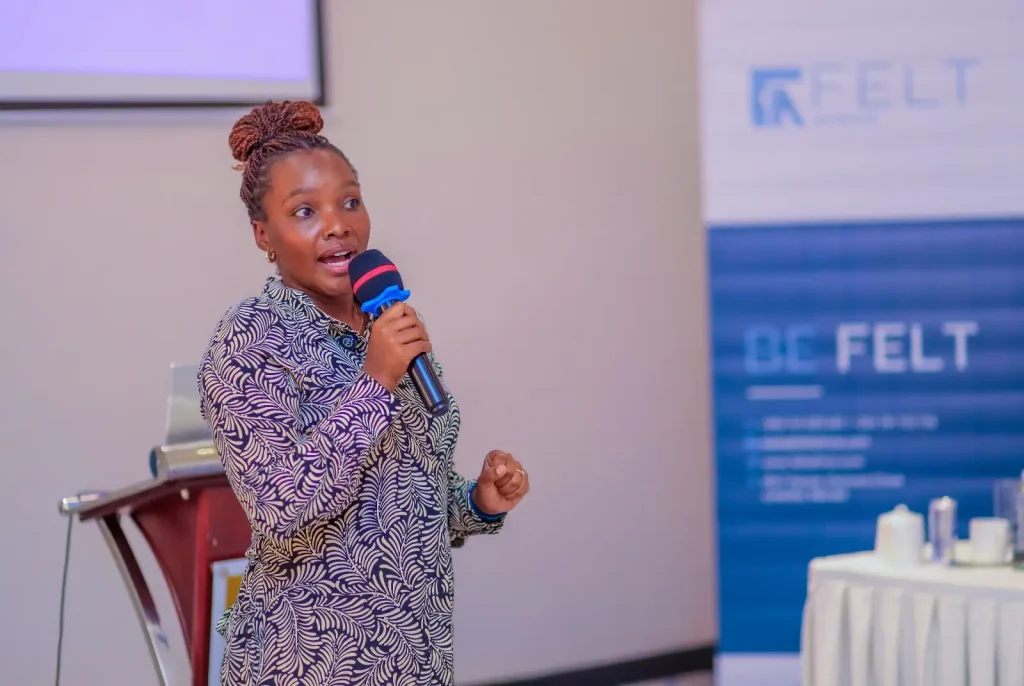
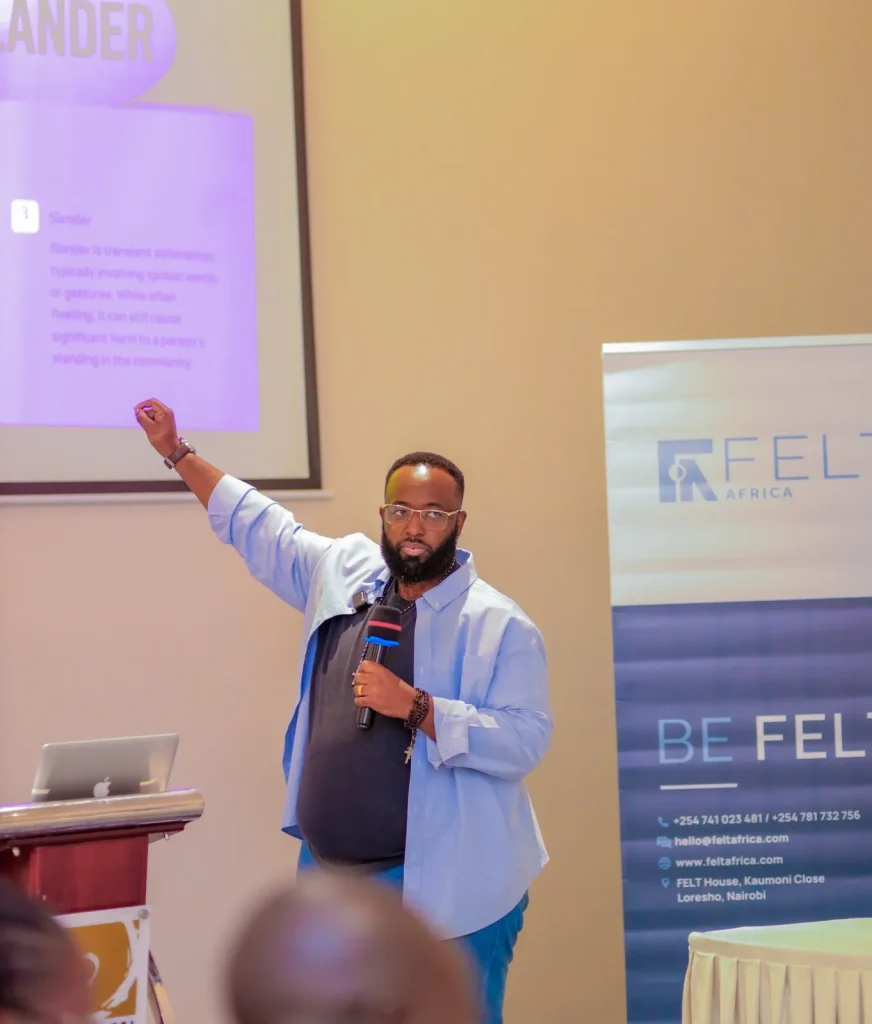
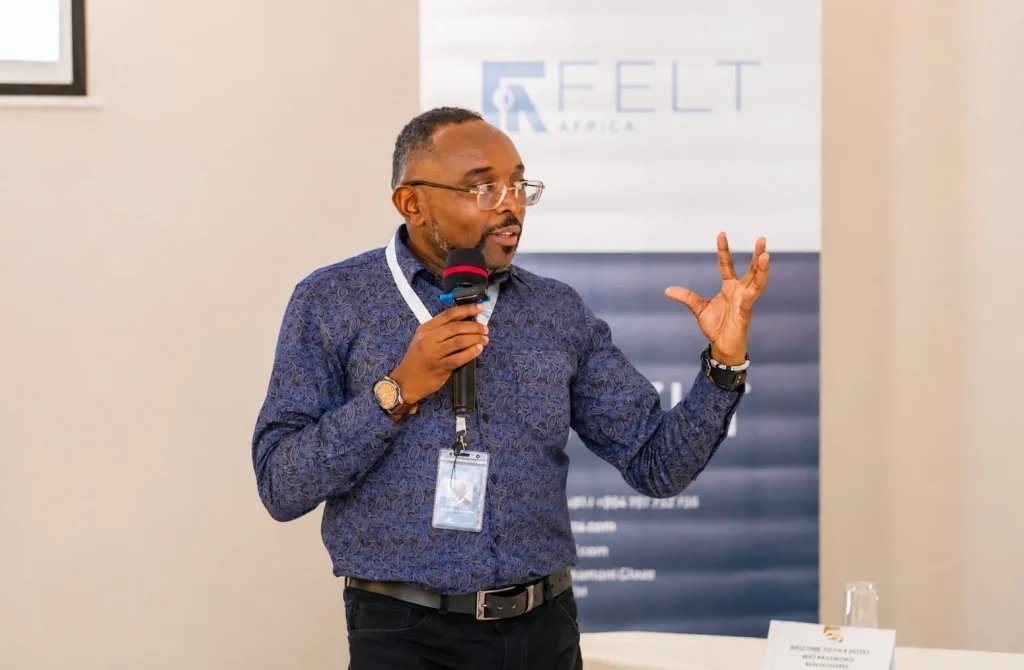
Dennis Onsarigo 

Chairman – FELT Africa  

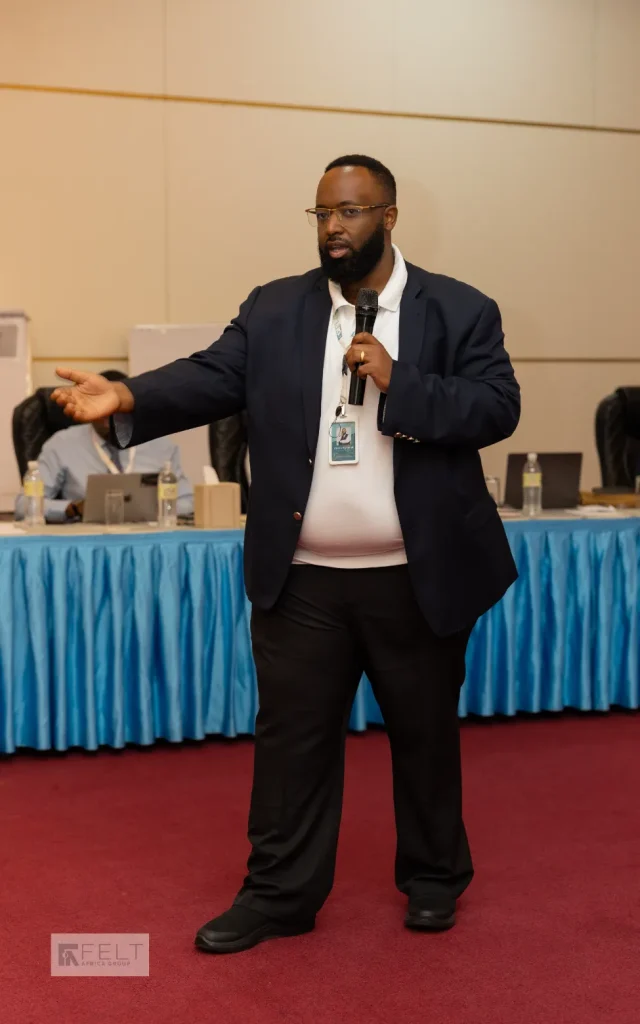
Dennis built his career at the intersection of journalism and political power, rising from a cameraman at Nation Media Group to running the Investigations Desk at KTN, before crossing into government and campaign leadership as Director of Communications for Taita Taveta County, Chief of Staff for Nyamira County, and Press Secretary for a 2022 presidential campaign through one of Kenya’s most contested electoral periods. 

That is the exact terrain his session covered: holding a unified national narrative under real pressure and running a crisis command chain drawn from a live campaign war room rather than a manual.

Diana Ngao

Managing Director – FELT Africa  

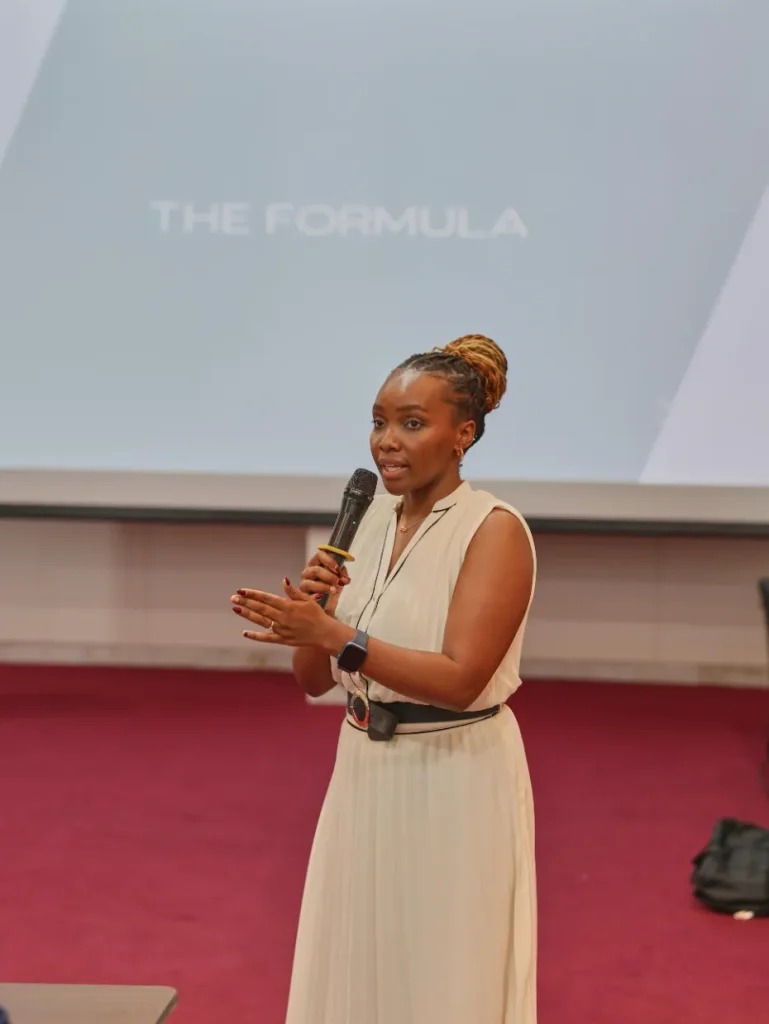
Diana led communications and public relations for two presidential candidates during Kenya’s 2022 election and directed the Governor’s Press Service for Mombasa County. In 2025, she led FELT Africa’s own government-commissioned training for radio hosts on professional conduct during politically polarised periods. 

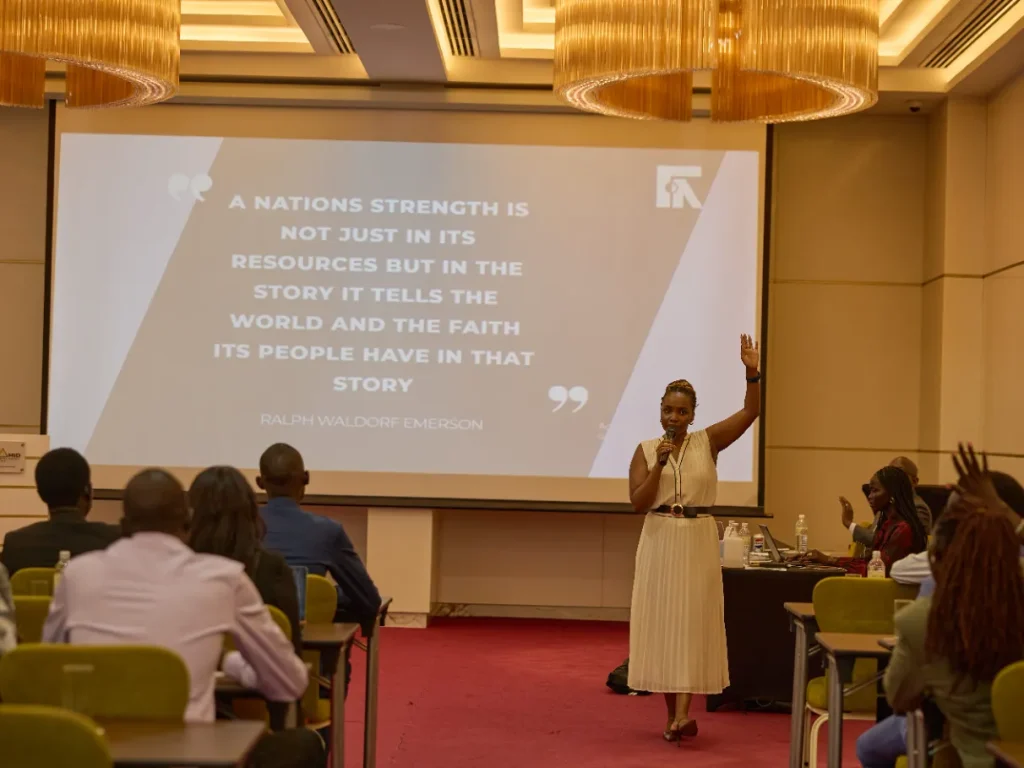
That combination of setting and holding a national message inside a live presidential race, then teaching others to do the same, is why she opened the programme with Strategic Messaging.

Chaka Sichangi

Director of Policy, Law and Research – FELT Africa Group

Chaka is an Advocate of the High Court of Kenya with postgraduate legal training from the University of Kent, City University of London, and SOAS, University of London. 
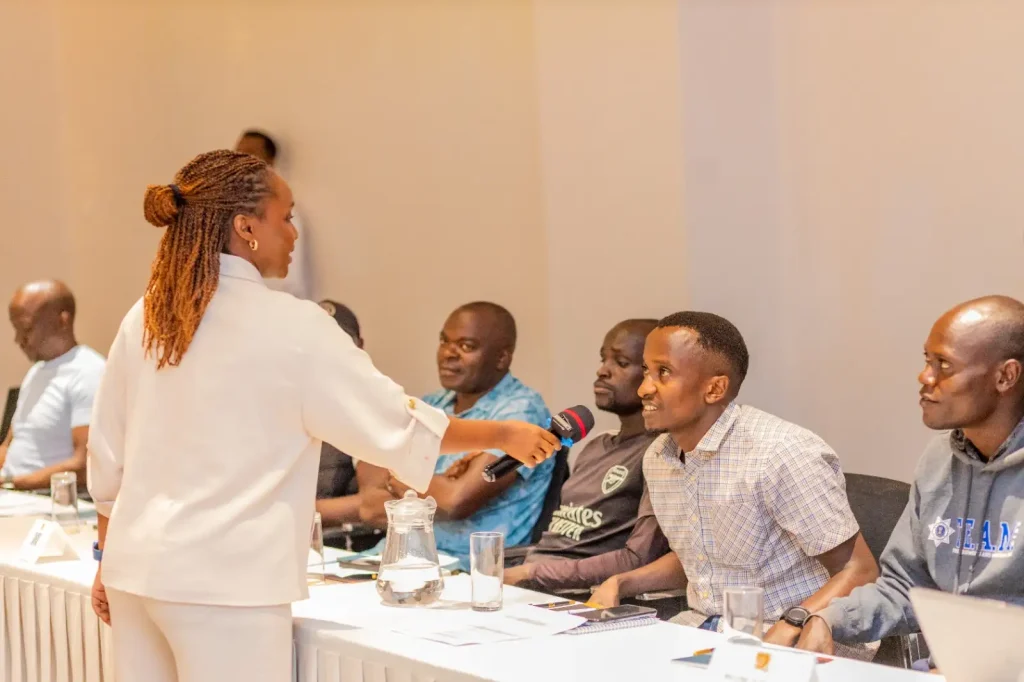
He has advised at the level of Kenya’s State House Policy Unit and previously led a nationally commissioned training for radio hosts on the legal boundaries of broadcasting during polarised periods. 

His dual grounding in constitutional and media law gave participants a working legal literacy for South Sudan’s own election, from defamation law to the Cybercrimes and Computer Misuse Act, delivered by someone who has practised this work inside government rather than studied it from outside.

Mbugua Ng’ang’a

Lead Media Trainer – FELT Africa Group

Mbugua is Editor-in-Chief of the Nairobi Law Monthly and the Nairobi Business Monthly, following a 25-year journalism career that took him through Deputy Managing Editor of the Daily Nation, Editor of the Saturday Nation, and Ag. Group Managing Editor at Nation Media Group. 

He has sat in the editor’s chair through five Kenyan general elections, including the tense 2007 cycle, giving him a rare vantage point: someone who has personally run newsroom election-day deployment and made split-second editorial calls under pressure, brought to bear across both his election-day reporting session and his session on managing disinformation.
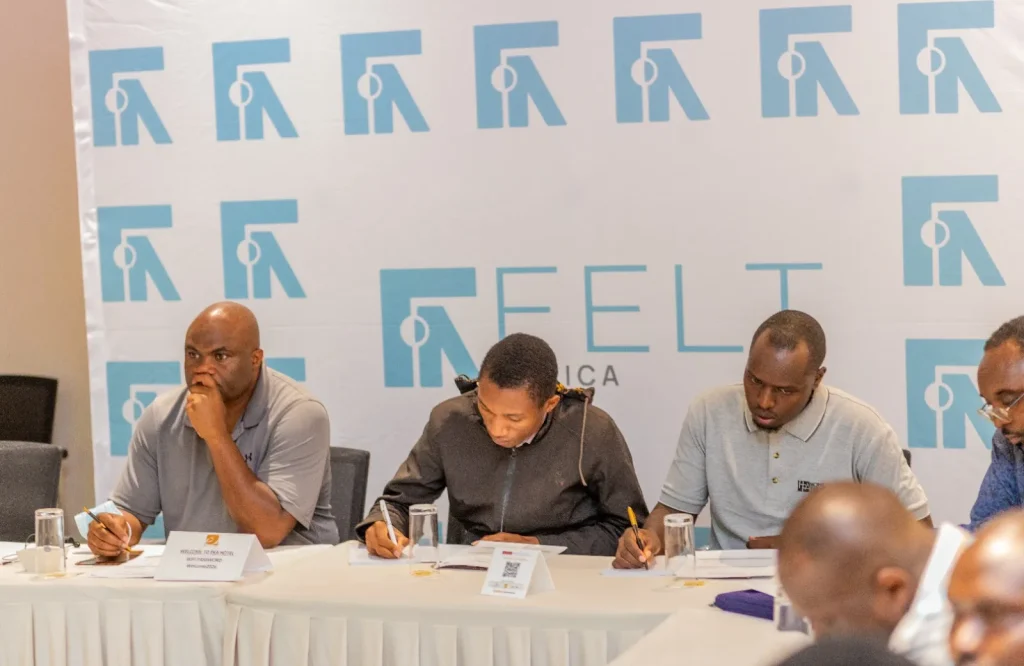
James Njoroge

Digital Political Comms Strategist – FELT Africa

James spent recent years as a communications consultant inside senior political offices in South Sudan’s own government, managing digital strategy and reputation for high-profile principals in exactly the high-scrutiny environment this training addressed. 
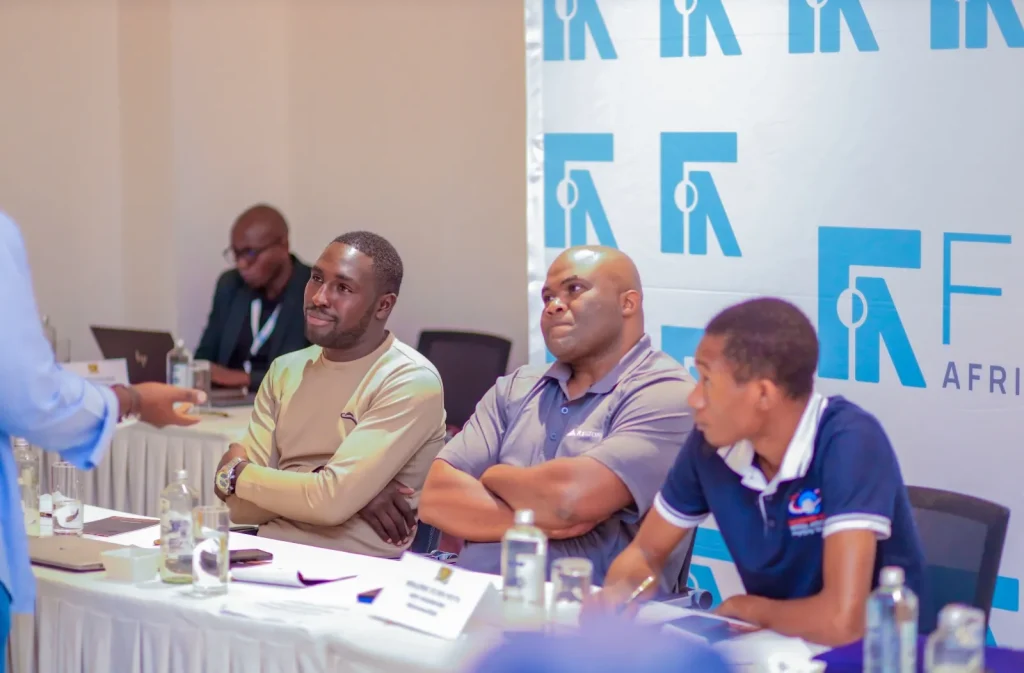
He paired that with Kenyan electoral experience, leading social media strategy for a 2022 presidential running mate, and seven years running his own digital agency. Few facilitators in the region can speak to South Sudan’s digital and political communications landscape from lived, inside experience the way James can, giving his session a campaign framework built for the country’s own terrain rather than a generic playbook.

Hon. Amb. Arek Ajou Aldo Deng

Press Secretary, Office of the President, Republic of South Sudan

Hon. Amb. Arek is the sitting Press Secretary at the Office of the President, with over two decades of governance leadership, including heading South Sudan’s first Government Delivery, Accountability and Efficiency Unit. 

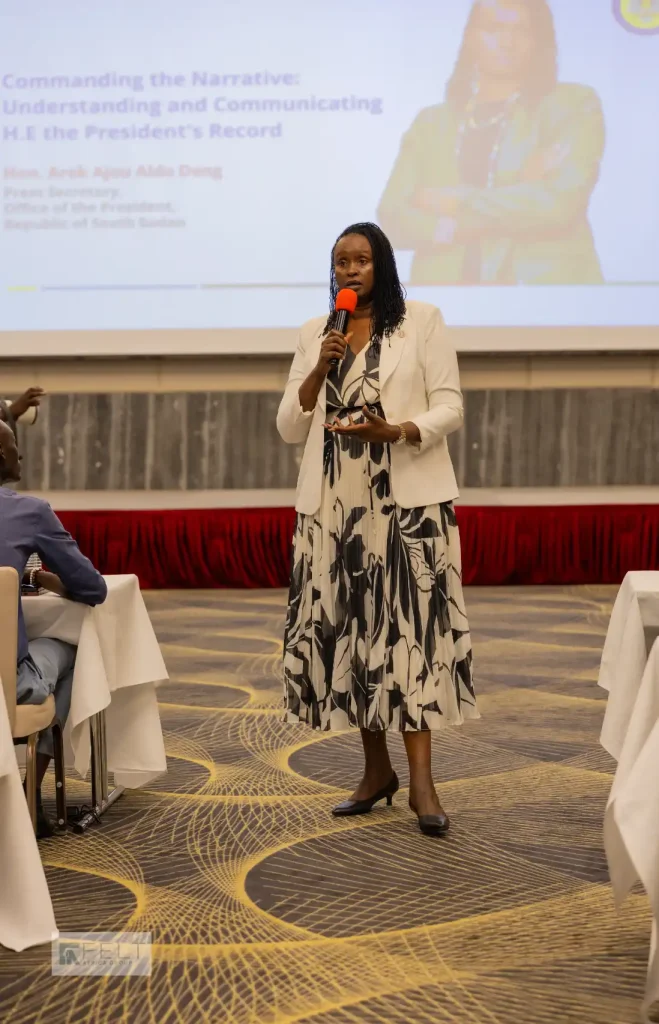
As the institutional custodian of President Kiir’s record and voice, she anchored the programme’s Commanding the Narrative session, giving participants the President’s approved brief directly from the office that authors it, rather than a secondhand summary.

The Approach

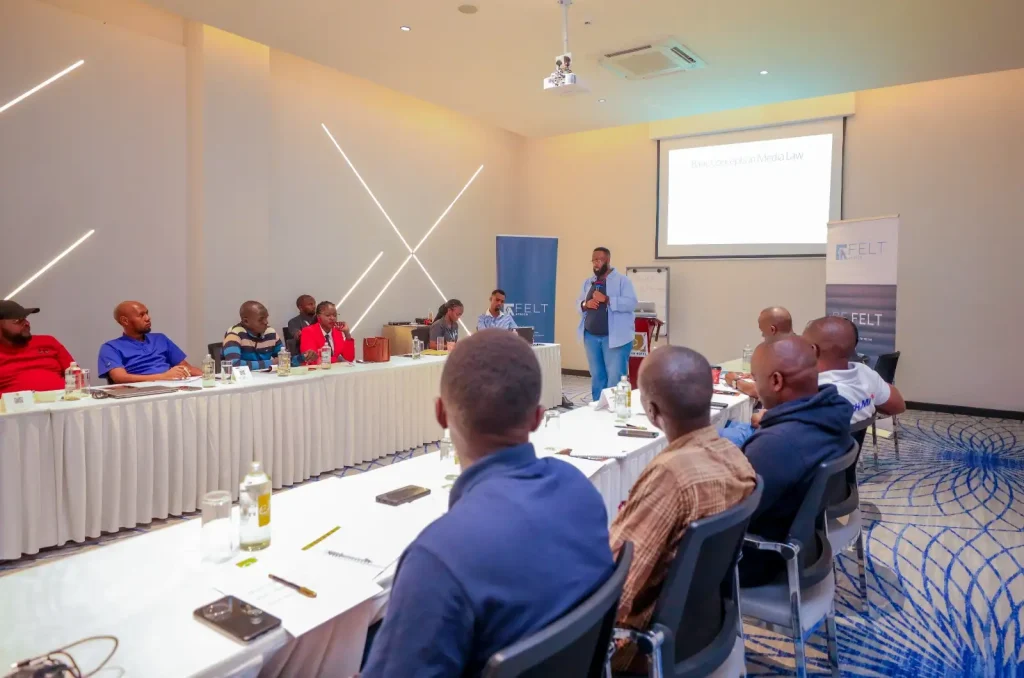
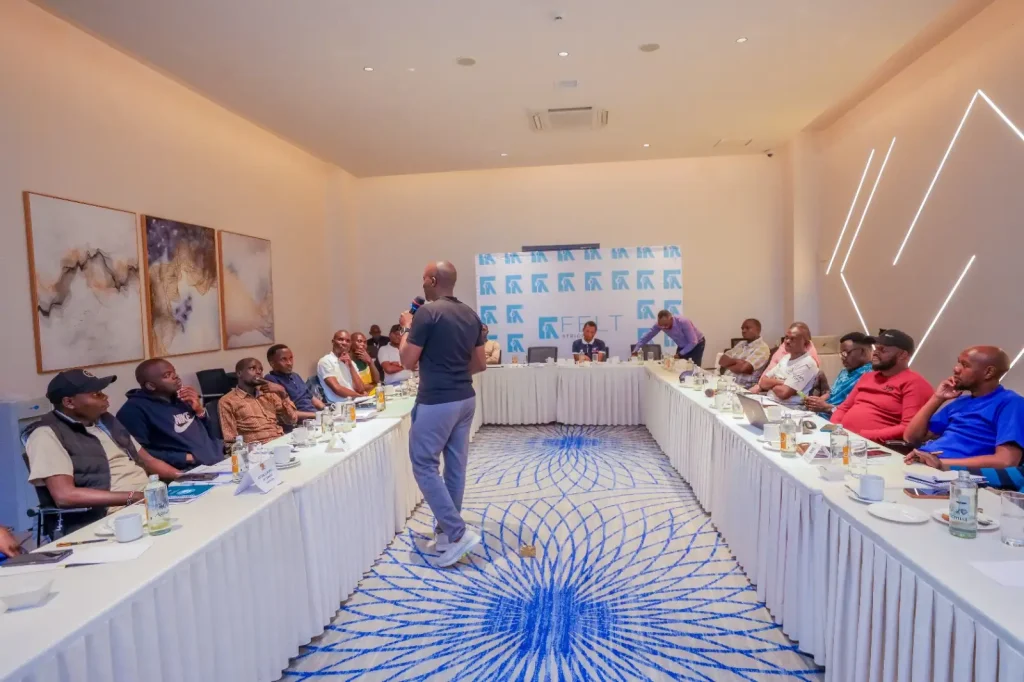
Over 4 days, FELT Africa delivered a nine-session curriculum to two distinct cohorts: SPLM party press units and political messaging teams on Days 1 and 2, and State Government communicators from the Presidency, ministerial offices, governors’ offices, and advisors’ teams on Days Three and Four.

  1. Strategic Messaging: Setting the Agenda and Holding the Message Before Elections (Diana Ngao) – Building a message architecture and a five-step pressure-response framework for holding a national line under scrutiny.
  2. The Elections, the Law, and the Nation (Chaka Sichangi) – Framing the December election as one clause in South Sudan’s longer constitutional covenant, with the media positioned as midwife rather than mirror of that process.
  3. Social Media Strategy and Digital Campaign Communications (James Njoroge) – A platform-by-platform strategy across Facebook, WhatsApp, X, TikTok, and Instagram, four content pillars, and firm non-negotiables on responsible AI use in campaign material.
  4. Commanding the Narrative (Hon. Arek Ajou Aldo Deng) – The Presidency’s authoritative brief on President Kiir’s record, organised into four approved frames and paired with a strict language discipline for every communicator to carry forward.
  5. Strategic Messaging, Part Two (Diana Ngao) – Deepening the agenda-setting and pressure-response frameworks introduced on Day One for the State Government cohort.
  6. Election Day Communication and Reporting (Mbugua Ng’ang’a) – A reporting plan built on Kenya’s own electoral history, teaching participants to begin with the end in mind and to value verification over speed.
  7. Managing Disinformation and Hostile Media Coverage (Mbugua Ng’ang’a) – The difference between disinformation and misinformation, the four forms disinformation typically takes, and a practical verification checklist for countering hostile coverage.
  8. Country Framing: Ceeng, Dheng, and the Good Name of South Sudan (Chaka Sichangi) – Reputation as collective national wealth, South Sudan’s defamation and cybercrime law, and case studies of nations that rebuilt damaged global reputations.
  9. Statecraft, Narrative Control, Crisis Management and Election Communications (Dennis Onsarigo) – The four pillars of the 2026 election communications strategy and the institutional handoff between government communicators and electoral bodies.

What Set This Engagement Apart

Several elements gave this programme a weight beyond a standard training engagement. The Presidency’s own Press Secretary delivered the authoritative content brief herself, giving participants direct access to the office that authors the national narrative rather than a relayed version of it. 

The Deputy Minister of Information, the SPLM Secretary General, and the Managing Director of the South Sudan Media Authority each opened, closed, or engaged directly across the 4 days, lending the programme institutional weight that extended well beyond the training room.

Every session was translated live into Arabic by a member of the Presidential Press Unit, ensuring the frameworks landed with equal clarity for every participant regardless of language, a practical expression of the unity the programme set out to build. 

FELT Africa also embedded 4 South Sudanese professionals into its delivery team, covering project management, rapporteuring, and content production, leaving local production capacity in the country long after the four days ended.

The curriculum itself carried an added layer of rigour: the frameworks taught, from the disinformation typology to the AI-use safeguards and the defamation law standard, matched almost precisely with the leading international references governing each subject, including UNESCO, the Council of Europe, and the African Court on Human and Peoples’ Rights. South Sudan’s communicators trained against the same standards the continent’s own human rights bodies and the wider international community hold this work to.

The Result

  1. An average participant satisfaction score of 4.5 out of 5 across 70 respondents, with 89% rating the programme a 4 or 5.
  2. Strong quiz-verified retention of core frameworks: 88% of participants correctly identified the approved framing for South Sudan’s election story, and 70% correctly applied both the digital messaging discipline and the election-day deployment principle taught in their sessions.
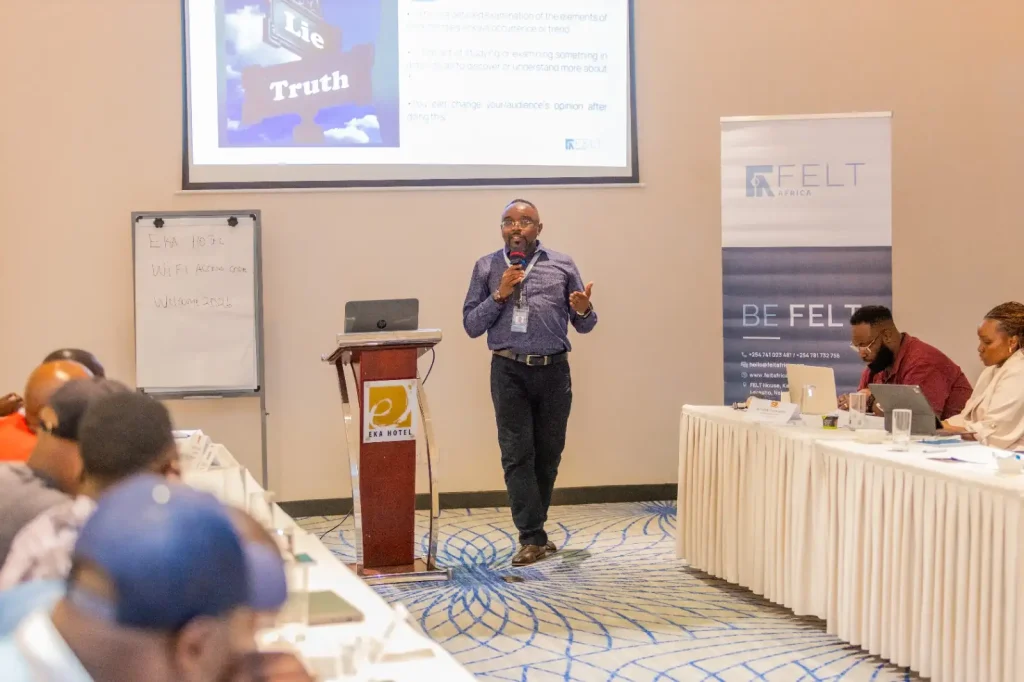
  3. A wordcloud exercise on holding the narrative under pressure returned Truth, Integrity, Honesty, Accountability, and Consistency as the dominant terms participants associated with earning audience trust.
  4. A shared command of President Kiir’s record and unified frameworks for strategic messaging, spokesperson skills, crisis communication, and election-specific protocols across communicators from the Presidency, ministerial offices, governors’ offices, and party structures spanning all ten states.
  5. Direct engagement between state-level communicators and the Media Authority and Office of the President, strengthening working relationships ahead of the election period.
  6. One participant closed the training with words that captured its spirit precisely: “Journalists are the gatekeepers of public trust. In elections, that gate must be made of ethics, not ego. Democracy does not die in the dark. Democracy dies in the lie. Ethical journalism keeps the lights on.”

Why This Matters

Every session in this programme sat on top of FELT Africa’s National Agency and Nation-Building philosophy: the conviction that every national already carries agency over their country’s story, whether they hold a title or not, and that communicating well means holding that agency with pride, evidence, and consistency, authored by many voices working in coordination rather than handed down from one. This engagement gave that philosophy its fullest expression yet, equipping more than a hundred communicators across an entire government and party apparatus to carry South Sudan’s story with genuine ownership ahead of the most consequential moment in the country’s history.

It stands as clear proof of concept for FELT Africa’s capability at national scale: designing and delivering government communications training that holds up against international standards, engages the highest levels of state, and produces a unified, capable communications cadre ready for a live electoral test. As South Sudan moves toward 22 December, that capacity building continues.

Contact Us 

FELT Africa Group designs and delivers professional communications training for journalists, spokespeople, executives, and public officials operating in high-pressure, high-scrutiny environments. To discuss a training programme for your institution, get in touch.

Case Study | Strengthening Professional Standards of Radio Journalists in Rift Valley Region – Kenya

At A Glance

Duration3 days (5 – 8 February 2026)
ScopeFinal leg of a nationwide training series covering community radio journalists across Kenya
Participants20 journalists representing 19 radio stations across Nakuru, Baringo, Elgeyo Marakwet, Uasin Gishu, Kericho, Trans Nzoia, Samburu, West Pokot, Turkana, and Nandi

The Challenge

Community and vernacular radio remains one of the most influential platforms in Kenya’s media landscape, particularly in regions where live broadcasting and audience call-ins shape public opinion in real time. That influence carries risk. Journalists in these newsrooms operate under mounting pressure: political polarisation, misinformation, economic vulnerability, and a legal environment where a single unverified claim can expose both the journalist and the station to defamation.

Many of these journalists have limited access to structured legal literacy or ethics training, despite carrying outsized responsibility for shaping community discourse in politically sensitive environments.

Why FELT Africa Was Engaged 

This mandate called for a partner who could move fluidly between newsroom judgement, legal exposure, and political reality, and FELT Africa’s practice was built for exactly that combination. The firm blends journalism, legal advisory, governance, and strategic communications expertise, ensuring the training moved beyond technical media skills into the political and regulatory realities Rift Valley journalists navigate daily.

The engagement also reflected FELT Africa’s approach to capacity building as sustained investment rather than a one-off event. Eldoret was the eighth and final stop, following FELT Africa’s delivery of the same training in 7 other regions of Kenya. That national footprint gave the firm a country-wide vantage point on the pressures, gaps, and realities facing community radio, sharpened over seven prior engagements before it ever reached the Rift Valley.

By the time the Eldoret session opened, the training was not a first attempt at understanding these newsrooms. It was the culmination of lessons drawn from an entire country’s worth of engagement, applied to the region that closed the series.

Dennis Onsarigo 

Chairman – FELT Africa  

Dennis led the session on leadership and career development, drawing on a journey that began as a cameraman at Nation Media Group and grew into leading the Investigations Desk at Standard Media Group, where he launched Case Files and The Lead. 

His later roles as Director of Communications for Taita Taveta County, Chief of Staff for Nyamira County, and Press Secretary for a national presidential campaign meant every lesson on discipline, humility, and reinvention came from decisions he had made himself, under the same pressures the participants face in their own newsrooms.

Diana Ngao

Managing Director – FELT Africa  

Diana opened the training and set its tone. Her work spans governance communication, crisis and reputation management, and political campaign communications, including directing communications for Hon. Martha Karua and Hon. Raila Odinga during Kenya’s 2022 presidential campaign. 

That background in high-stakes institutional communication gave her the standing to frame the training as a professional intervention rather than a routine workshop, and to connect the day’s themes directly to institutional trust and national cohesion from the outset.

Chaka Sichangi

Director of Policy, Law and Research – FELT Africa Group

Chaka led the sessions on media law and misinformation, and few in Kenya bring a broader legal vantage point to that subject.

He is an Advocate of the High Court of Kenya with experience in litigation and commercial law – giving him regular courtroom exposure to how defamation and press-law disputes actually unfold.

That range meant his session moved past a recitation of the Media Council framework into the regulatory instincts of someone who advises governments and corporations on legal risk for a living, walking participants through defamation liability and available defences.

Mbugua Ng’ang’a

Lead Media Trainer – FELT Africa Group

Ng’ang’a led the sessions on separating fact from opinion and on the boundary between journalism and activism, having spent over 25 years running some of Kenya’s most senior editorial desks, including Deputy Managing Editor of the Daily Nation and Ag. Group Managing Editor at Nation Media Group. He is currently the Editor-in-Chief at Nairobi Law Monthly and Business Law Monthly.

Few people have made the fact-versus-opinion call as often, at that level, as he has. His parallel career as an award-winning author added a sharpened sensitivity to language and framing, precisely the skill participants needed to catch how emotive wording or subtle bias creeps into live broadcasting.

The Approach

Over 3 days, FELT Africa delivered a structured 7-session curriculum built around a central premise: professional discipline is the strongest safeguard journalists have, both individually and institutionally.

The programme moved participants through:

  1. Framing the Stakes – Positioning the training as a professional intervention, not a routine workshop, against the backdrop of Kenya’s polarised media environment.
  2. Facts, Opinions, and Analysis – Practical tools for radio presenters to separate verified information from commentary during live broadcasting.
  3. Media Law and Defamation Liability – Constitutional protections, libel and slander distinctions, available legal defences, and the Media Council framework, translated into a pre-publication checklist journalists could apply immediately.
  4. Journalism Versus Activism – A role-clarity framework addressing how perceived bias, even unintentional, erodes long-term credibility.
  5. Misinformation and Disinformation – How radio amplifies unverified claims, and protocols for handling high-tension reporting scenarios.
  6. Leadership and Career Development – Dennis Onsarigo’s own journey from cameraman intern to newsroom leader to strategic advisor, used to reframe career growth around discipline rather than visibility.
  7. An Open Q&A Panel – Giving journalists space to raise live, unresolved dilemmas from their own newsrooms.

What Set This Engagement Apart

The candour of the discussion is what distinguished this training from a standard workshop. 

Participants raised, and FELT Africa’s facilitators addressed head-on, issues rarely tackled in formal training settings: bribery euphemised as “appreciation,” editorial interference following advertiser pressure, threats to personal safety, and the ethical weight of reporting on cases involving sexual abuse or suicide where sources demand anonymity.

Rather than deflect these questions, the facilitation team grounded every answer in legal principle and newsroom discipline, reinforcing the frameworks introduced earlier in the programme. That willingness to engage with the hardest realities of the profession is what built trust with a group of journalists who convene, by their own account, rarely enough to have this kind of peer exchange at all.

The Result

By the close of the programme, participants demonstrated a measurably sharper ability to distinguish fact from opinion, to identify defamation risk before publication, and to hold role clarity in polarised reporting environments. Feedback consistently pointed to three outcomes:

  • Greater confidence applying legal and ethical frameworks to daily editorial decisions, not just recognising them in the abstract.
  • A shift in how participants viewed verification, from an administrative burden to a professional safeguard.
  • Renewed appreciation for their own influence as trusted voices in rural and vernacular communities, alongside a stronger peer network across the Rift Valley media landscape.

Participants also flagged an area FELT Africa is positioned to address in future engagements: structured support for the psychological strain of reporting under political pressure and threat, a signal of trust that speaks to the credibility the training team built over 3 days.

Why This Matters

The Rift Valley training is proof of concept for FELT Africa’s Professional Communications Training practice at its most demanding: taking a curriculum through legal literacy, ethics, misinformation, and career development, and delivering it to a group operating in some of Kenya’s most politically sensitive broadcasting environments, at scale, as the closing chapter of a nationwide series, by a team with a track record of doing exactly this at national level before.

It reflects a training philosophy FELT Africa applies across every engagement, from newsroom capacity building to executive media training and spokesperson development: capability is built through sustained, disciplined investment, not one-off interventions.

Contact Us 

FELT Africa Group designs and delivers professional communications training for journalists, spokespeople, executives, and public officials operating in high-pressure, high-scrutiny environments.

To discuss a training programme for your institution, get in touch.