
At A Glance
| Client | Ministry of Presidential Affairs, Republic of South Sudan |
| Duration | 23 – 26 July 2026 |
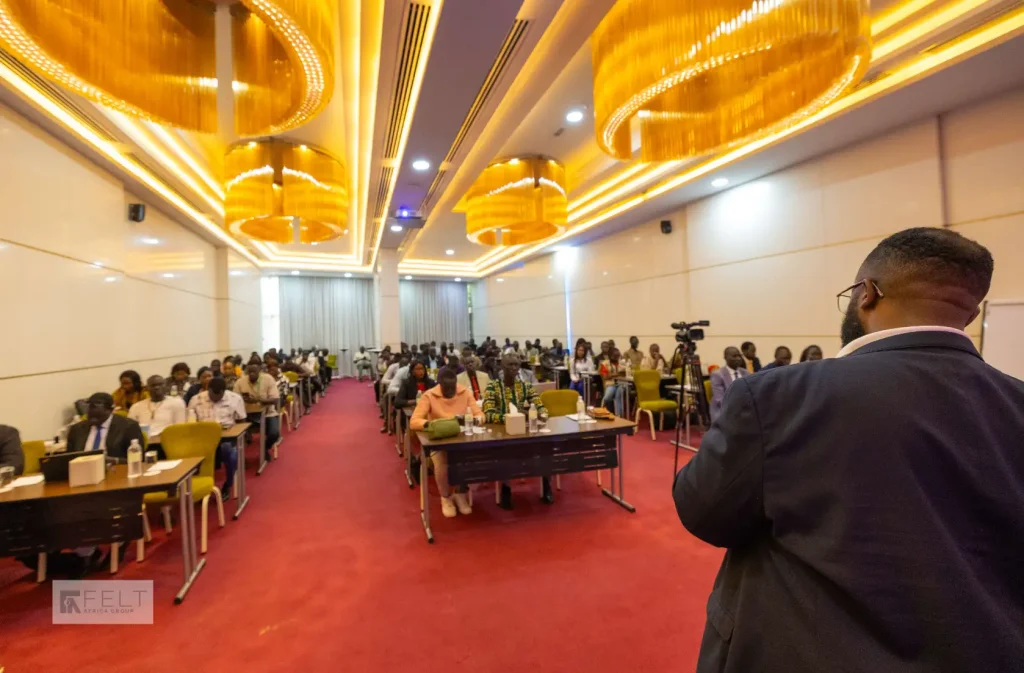
| Scope | 4-day Election Readiness Media Training ahead of South Sudan’s first general election as a sovereign nation, scheduled for December 2026 |
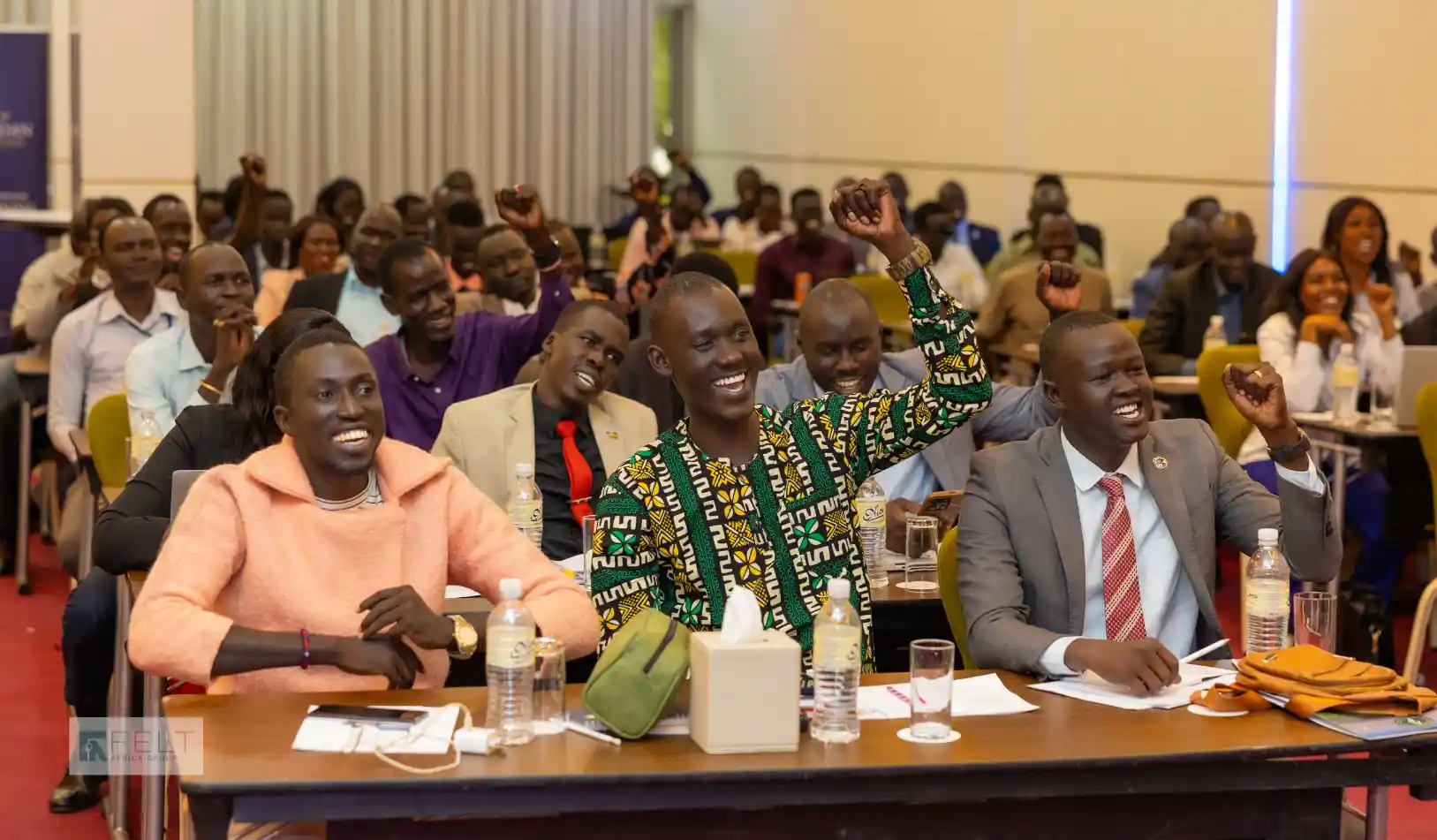
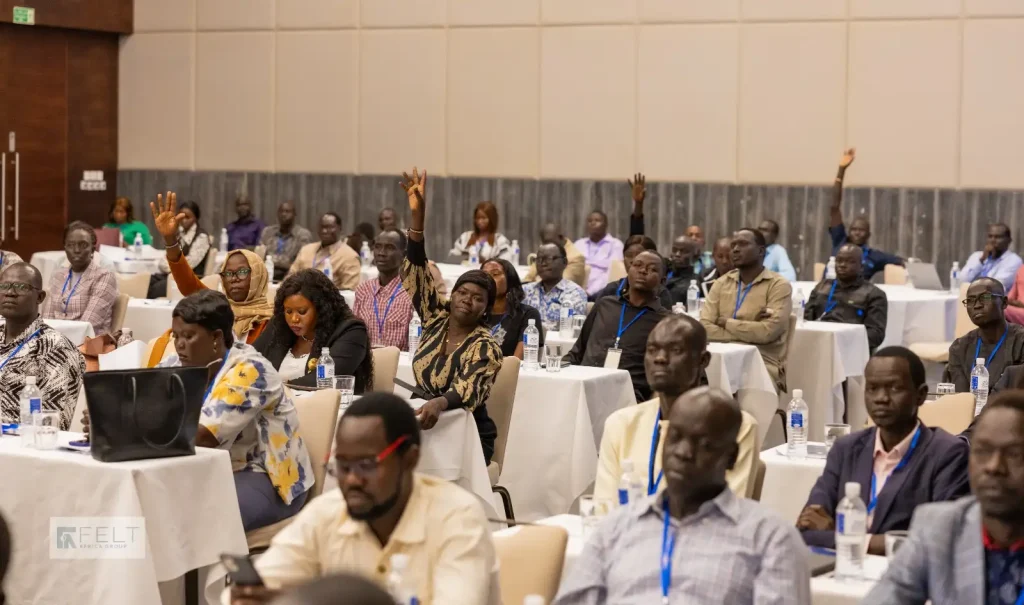
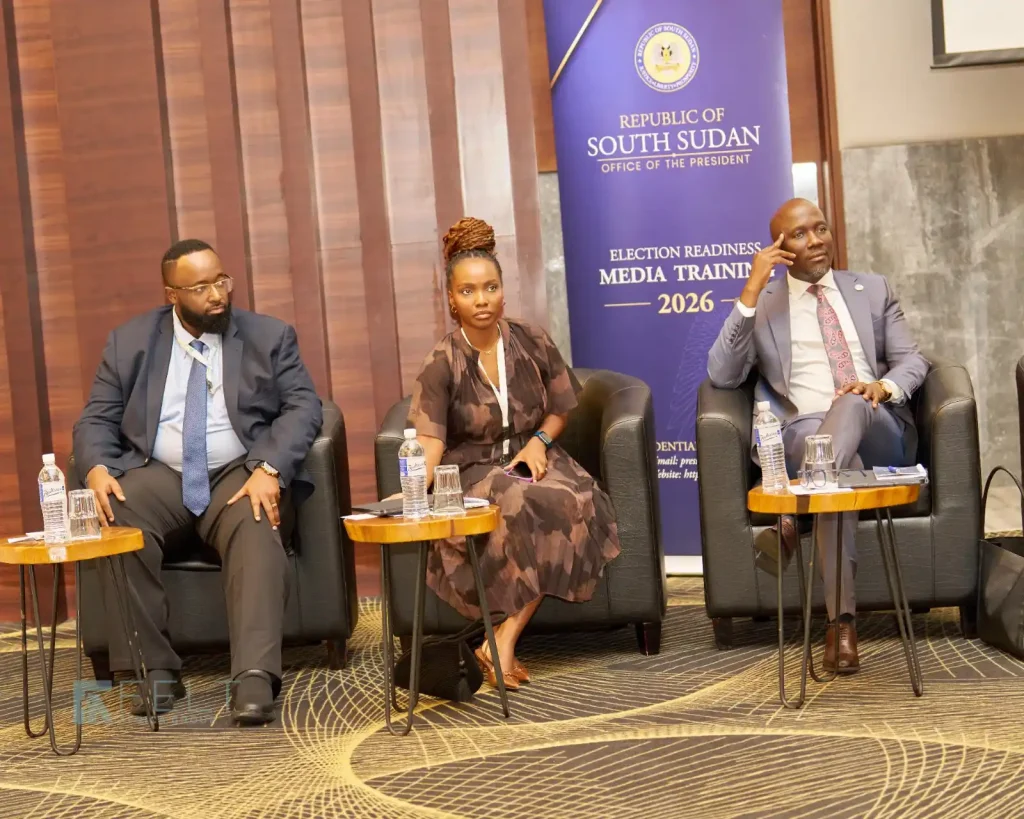
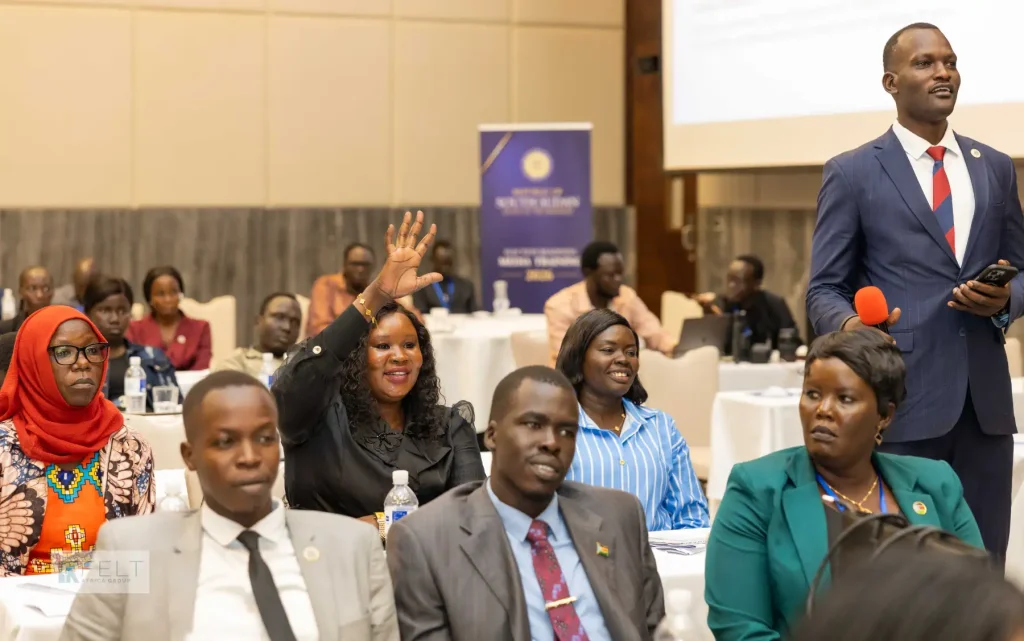
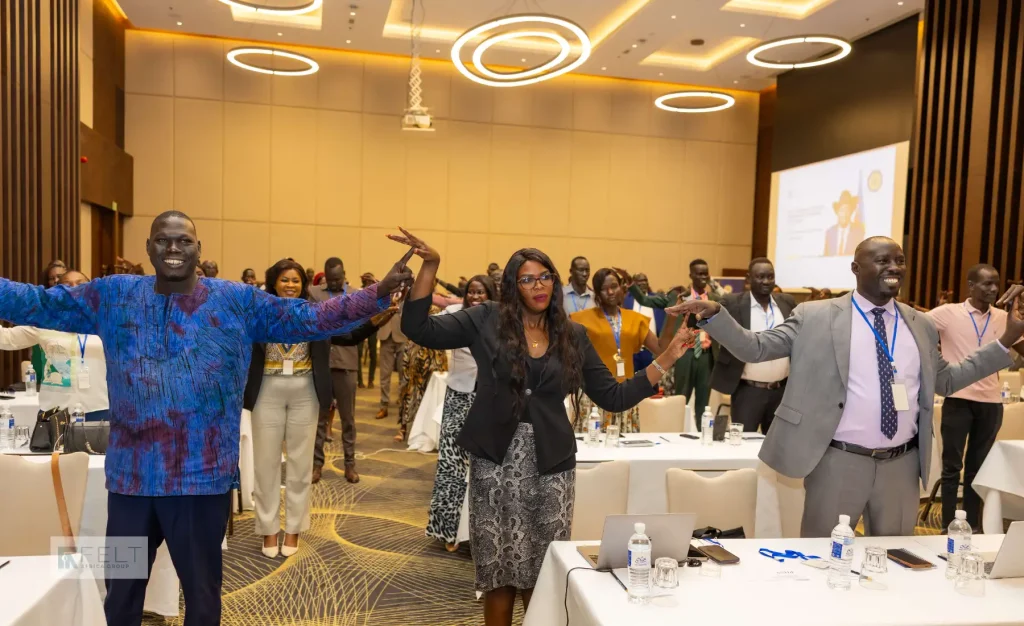
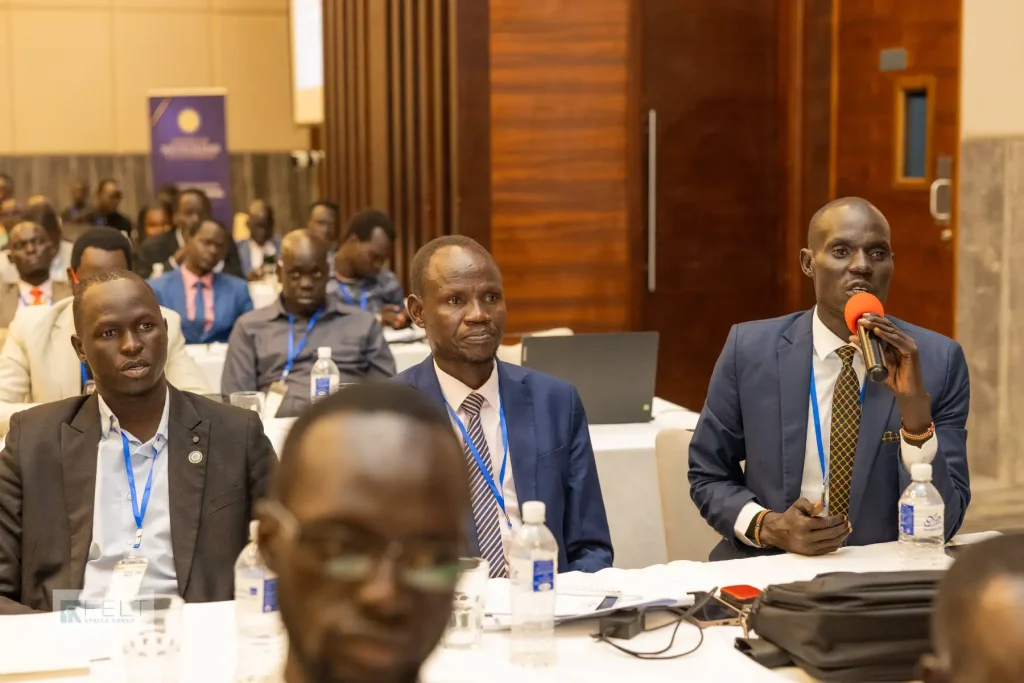
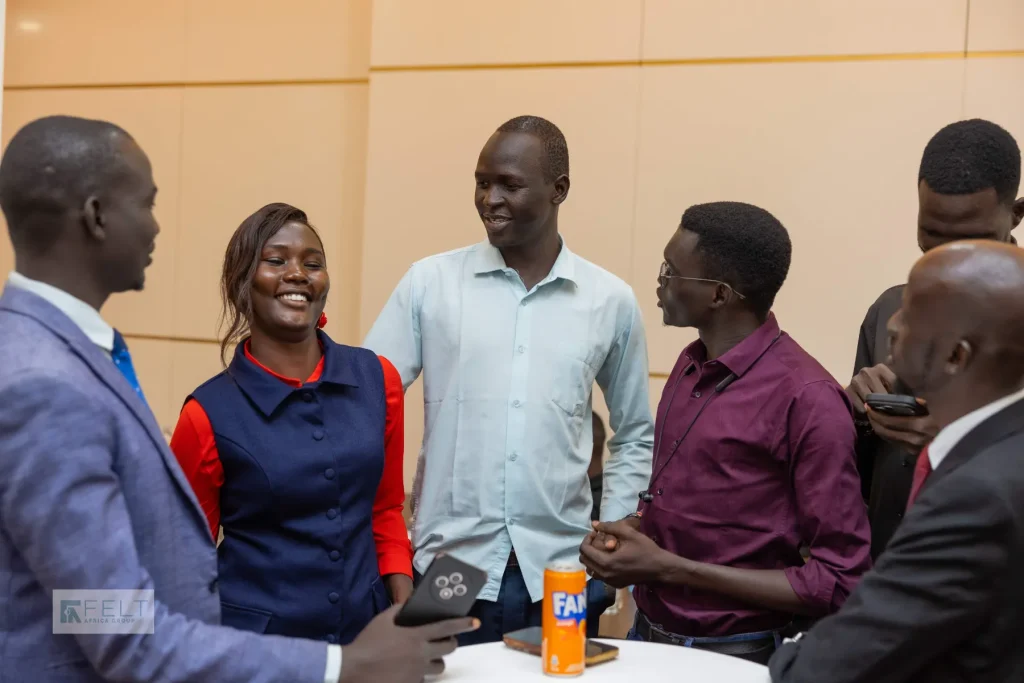
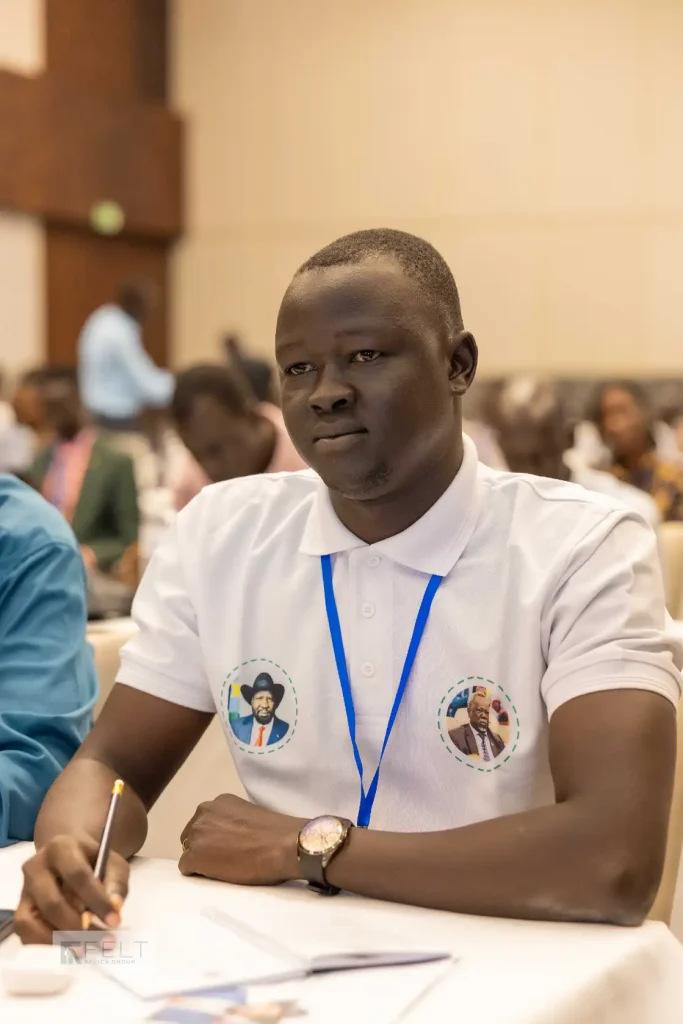
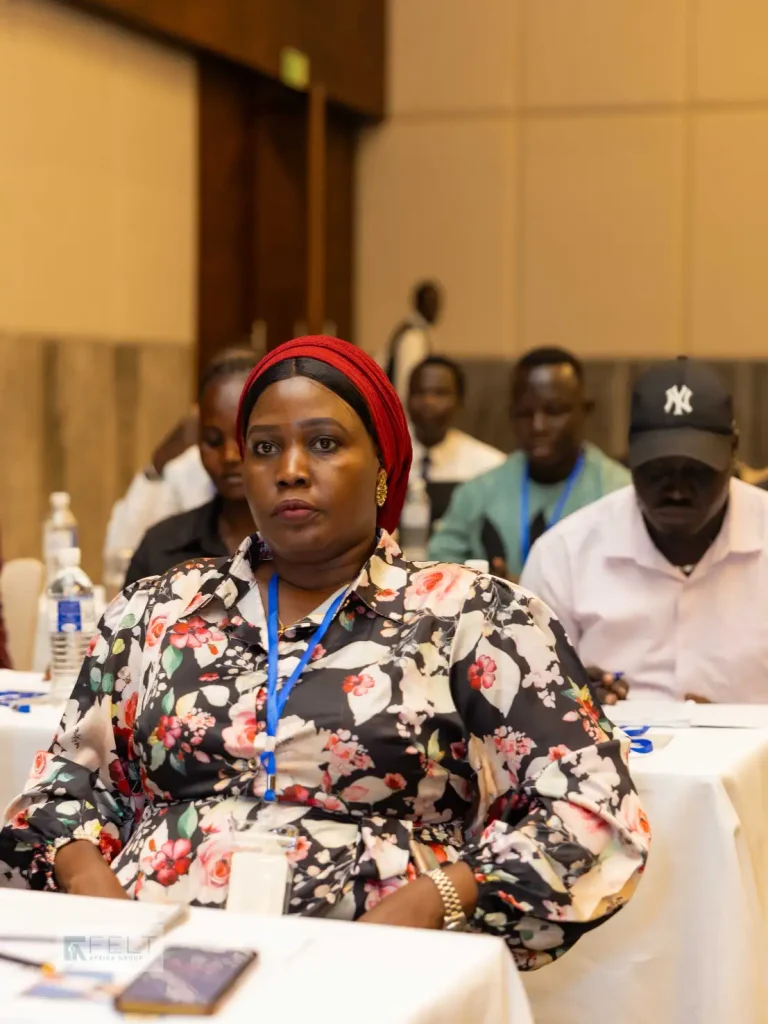
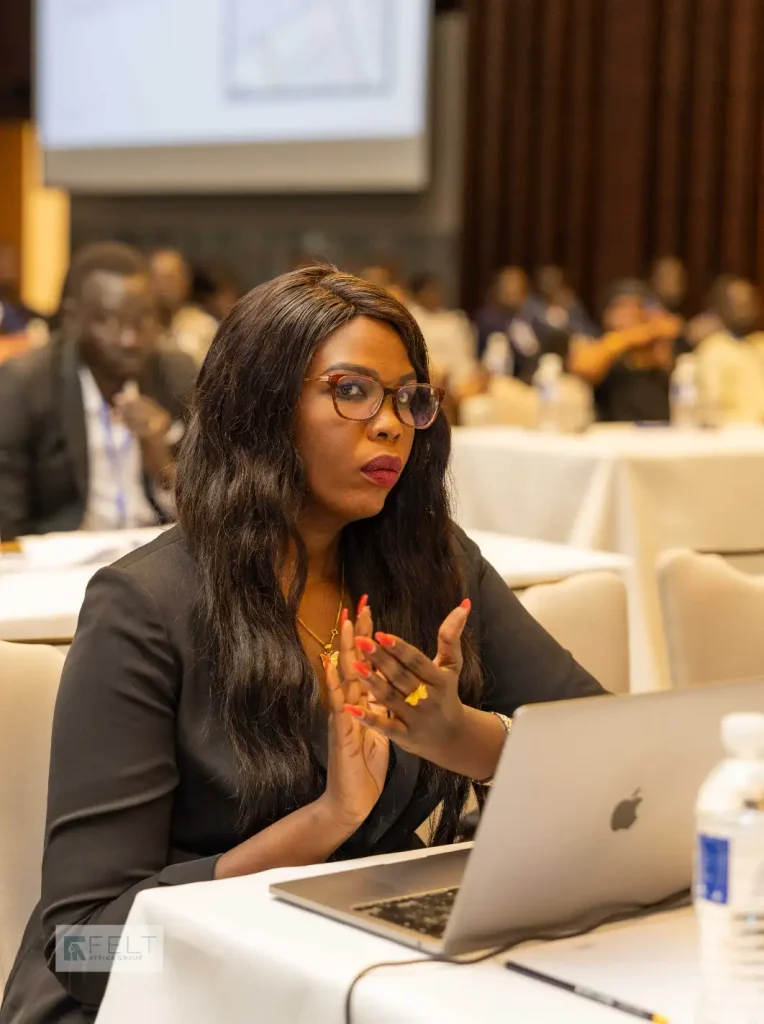
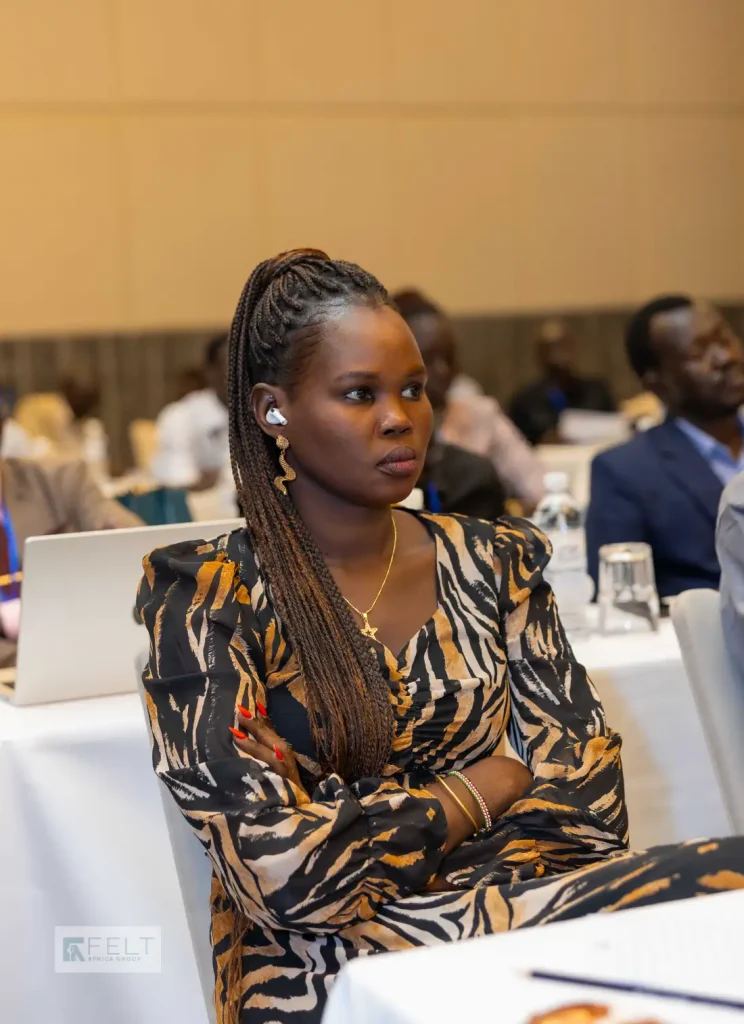
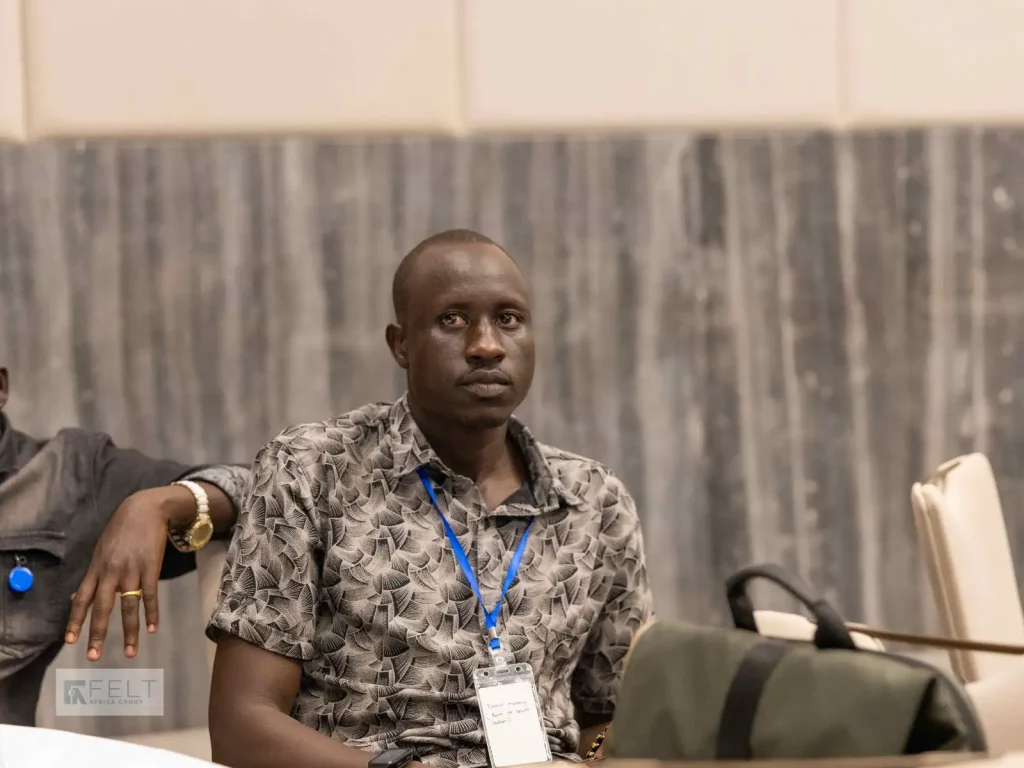
| Participants | More than 100 communicators drawn from SPLM Party press units, the Presidency, South Sudan Broadcasting Corporation, ministerial offices, state governors’ offices, envoys and advisors’ teams. |
The Challenge
South Sudan’s December 2026 election stands as the most consequential political event in the country’s history: its first general election as a sovereign nation, held under the full glare of an active and highly attentive international media environment.
The story that gains traction over the coming months will shape how South Sudan is perceived by regional partners, development partners, and the wider world for years to come.
That story rests on the shoulders of hundreds of individual communicators scattered across ministries, governors’ offices, party structures, and state broadcasting, each capable of shaping the national narrative for better or worse. A single inconsistent statement or avoidable error from any one of them carries the power to fracture months of careful positioning.
President Salva Kiir Mayardit’s record, spanning the Revitalised Peace Agreement, the maintenance of national unity, and a sustained development agenda, demands communication delivered with confidence and consistency from every voice authorised to carry it, whether that voice sits in Juba or in a governor’s office ten states away.
Building that consistency across such a wide, dispersed communications apparatus, and doing so with a legal and digital literacy suited to a modern election contested as much online as in print, called for a capacity-building intervention few firms in the region could credibly deliver.
Why FELT Africa Was Engaged
FELT Africa arrived in Juba as a specialist partner built for precisely this terrain, sitting deliberately across 4 connected practices: government and public sector advisory, public affairs and government relations, political strategy and electoral communications, and professional communications training. Few firms in the region combine all these, and fewer still have leadership who have lived each one under real pressure.
That lived experience is the firm’s defining advantage. FELT Africa’s senior team has run presidential campaigns through Kenya’s highest-stakes electoral periods, led communications inside county governments, advised at the level of a State House policy unit, and sat atop Kenya’s largest newsroom through multiple general elections.
Kenya’s multiparty electoral communications environment ranks among the most tested on the continent, and it was precisely that environment that shaped the frameworks FELT Africa brought to Juba: the misinformation and disinformation distinction, the crisis command chain, and the discipline of message control under pressure, translated from lived Kenyan electoral experience directly into South Sudan’s own context.
That combination, regional grounding paired with senior experience across government, party, and newsroom alike, is what the Ministry of Presidential Affairs engaged when it brought FELT Africa to Juba.
The Trainers
Each facilitator’s session was assigned to match specific, lived expertise, giving participants access to practitioners rather than theorists.
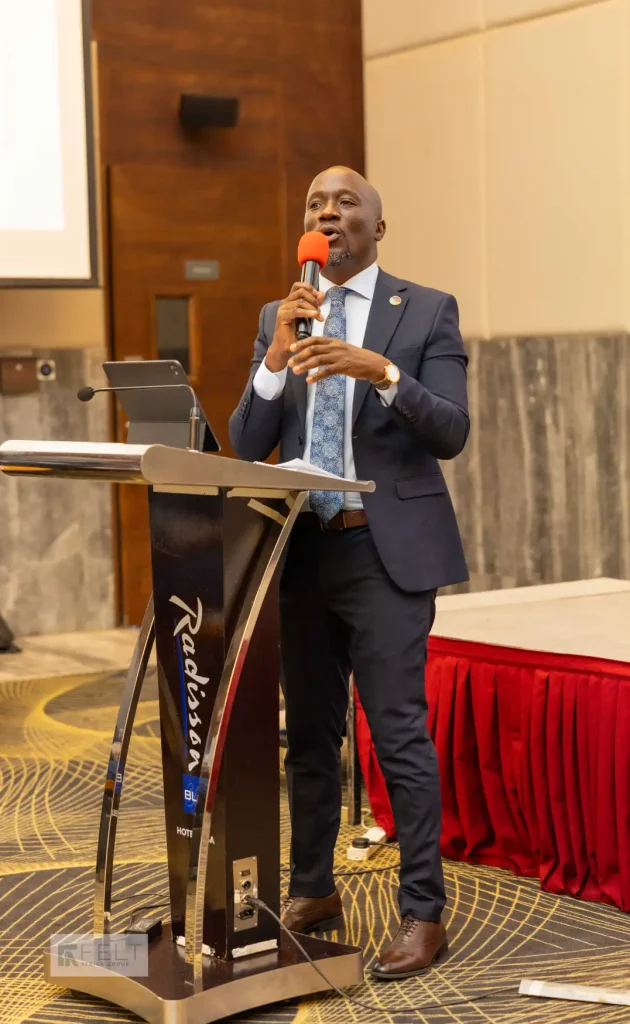
Dennis Onsarigo
Chairman – FELT Africa
Dennis built his career at the intersection of journalism and political power, rising from a cameraman at Nation Media Group to running the Investigations Desk at KTN, before crossing into government and campaign leadership as Director of Communications for Taita Taveta County, Chief of Staff for Nyamira County, and Press Secretary for a 2022 presidential campaign through one of Kenya’s most contested electoral periods.
That is the exact terrain his session covered: holding a unified national narrative under real pressure and running a crisis command chain drawn from a live campaign war room rather than a manual.
Diana Ngao
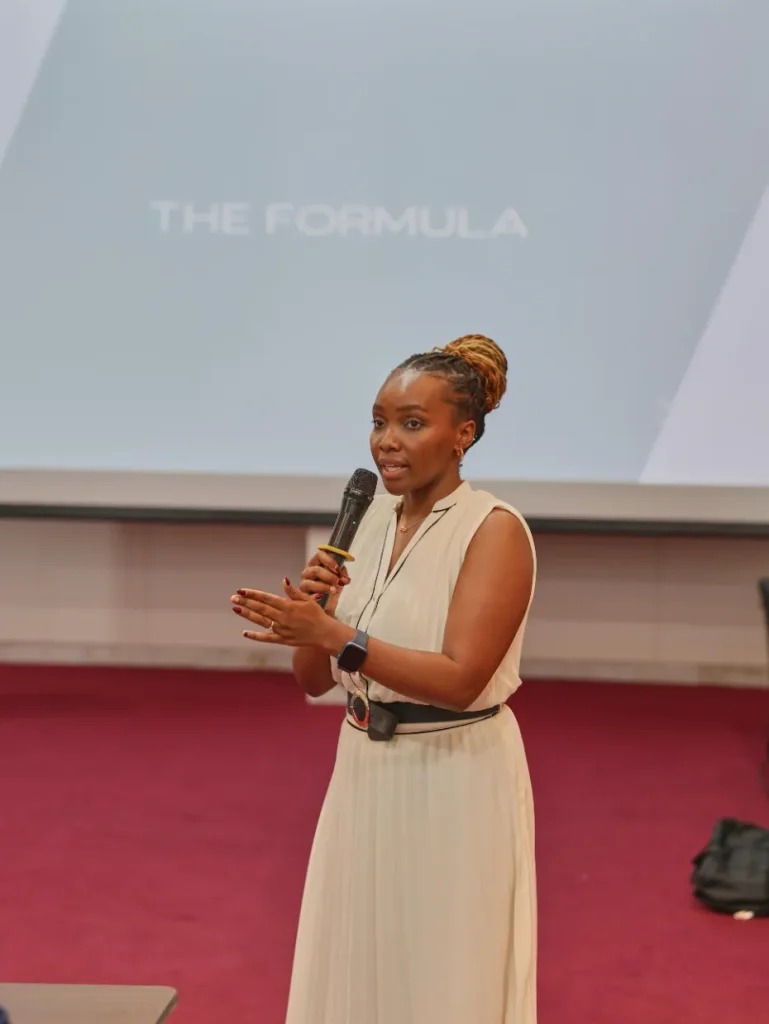
Managing Director – FELT Africa
Diana led communications and public relations for two presidential candidates during Kenya’s 2022 election and directed the Governor’s Press Service for Mombasa County. In 2025, she led FELT Africa’s own government-commissioned training for radio hosts on professional conduct during politically polarised periods.
That combination of setting and holding a national message inside a live presidential race, then teaching others to do the same, is why she opened the programme with Strategic Messaging.
Chaka Sichangi
Director of Policy, Law and Research – FELT Africa Group
Chaka is an Advocate of the High Court of Kenya with postgraduate legal training from the University of Kent, City University of London, and SOAS, University of London.
He has advised at the level of Kenya’s State House Policy Unit and previously led a nationally commissioned training for radio hosts on the legal boundaries of broadcasting during polarised periods.
His dual grounding in constitutional and media law gave participants a working legal literacy for South Sudan’s own election, from defamation law to the Cybercrimes and Computer Misuse Act, delivered by someone who has practised this work inside government rather than studied it from outside.
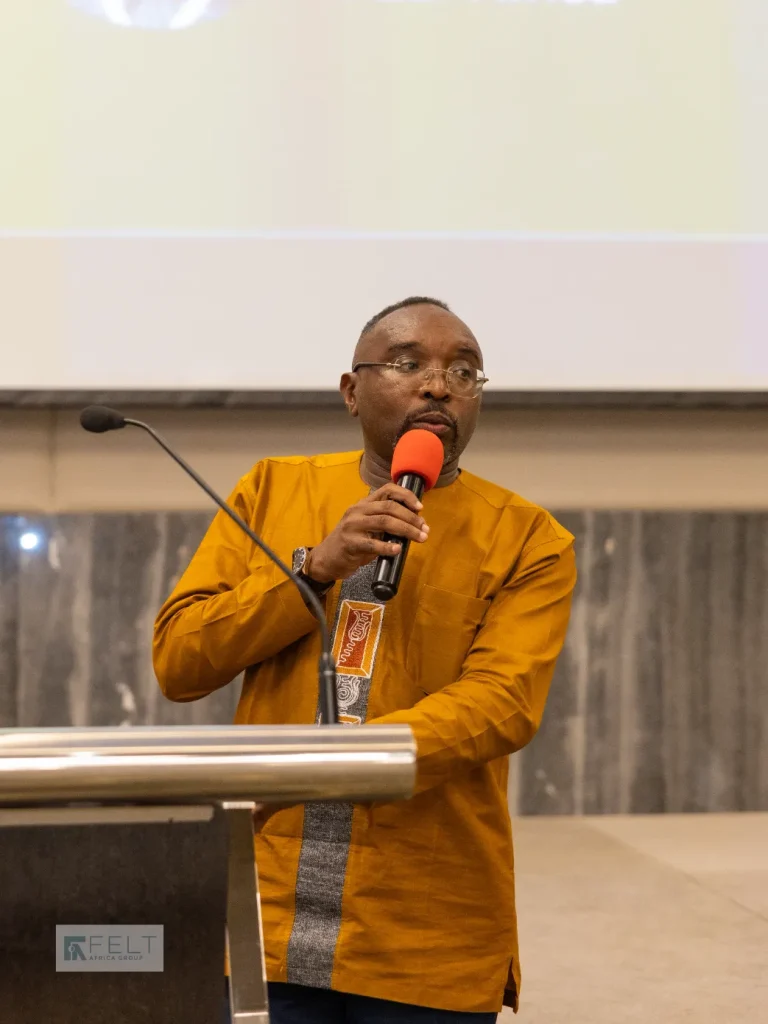
Mbugua Ng’ang’a
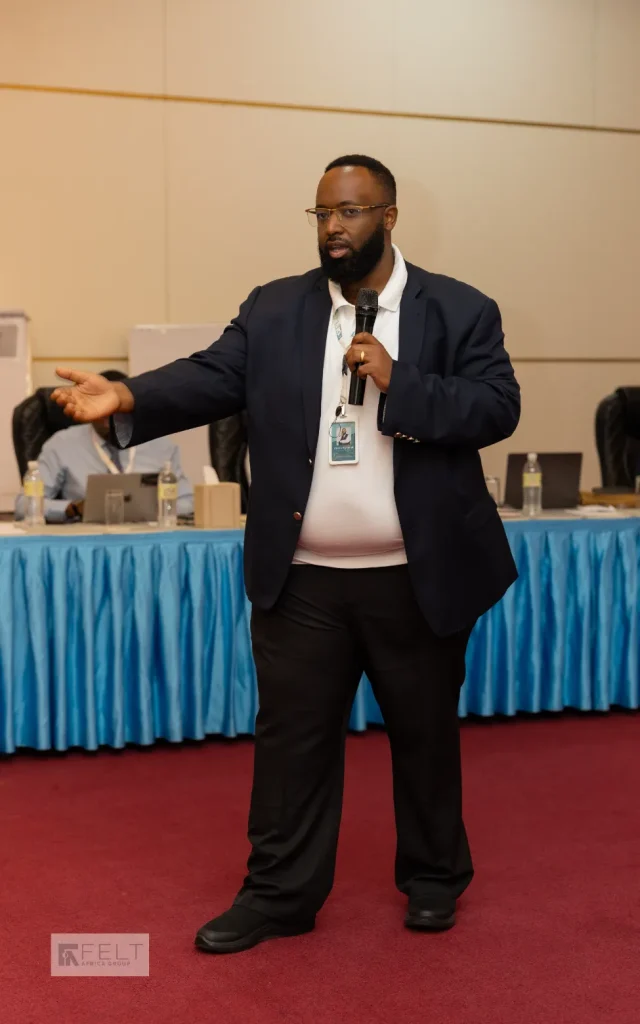
Lead Media Trainer – FELT Africa Group
Mbugua is Editor-in-Chief of the Nairobi Law Monthly and the Nairobi Business Monthly, following a 25-year journalism career that took him through Deputy Managing Editor of the Daily Nation, Editor of the Saturday Nation, and Ag. Group Managing Editor at Nation Media Group.
He has sat in the editor’s chair through five Kenyan general elections, including the tense 2007 cycle, giving him a rare vantage point: someone who has personally run newsroom election-day deployment and made split-second editorial calls under pressure, brought to bear across both his election-day reporting session and his session on managing disinformation.
James Njoroge
Digital Political Comms Strategist – FELT Africa
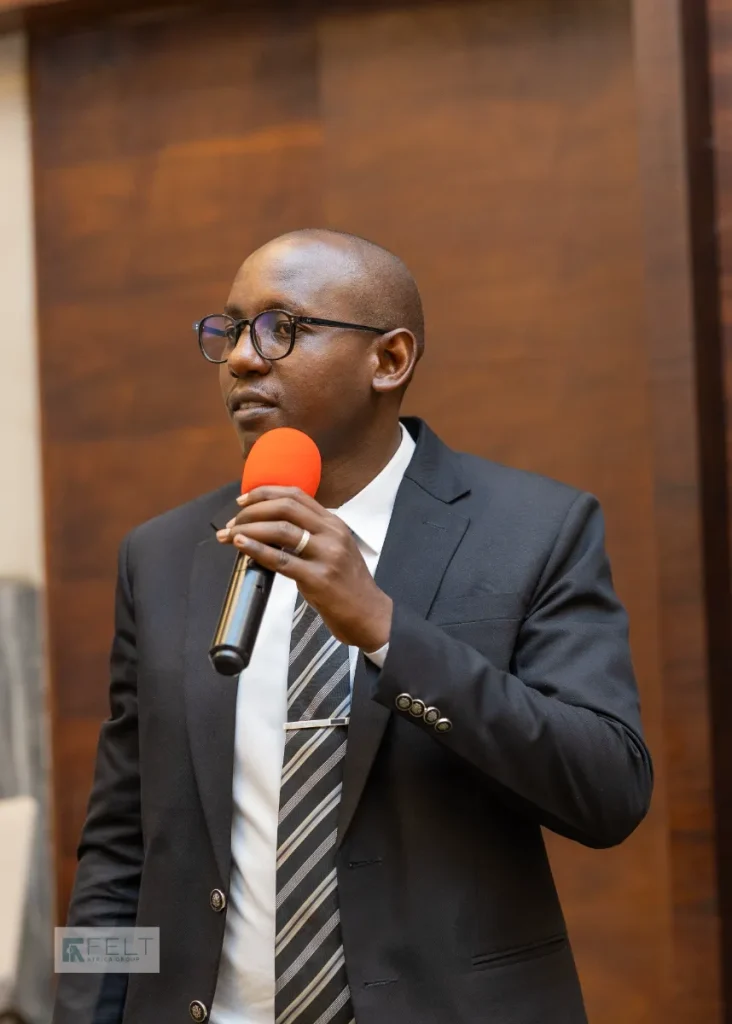
James spent recent years as a communications consultant inside senior political offices in South Sudan’s own government, managing digital strategy and reputation for high-profile principals in exactly the high-scrutiny environment this training addressed.
He paired that with Kenyan electoral experience, leading social media strategy for a 2022 presidential running mate, and seven years running his own digital agency. Few facilitators in the region can speak to South Sudan’s digital and political communications landscape from lived, inside experience the way James can, giving his session a campaign framework built for the country’s own terrain rather than a generic playbook.
Hon. Amb. Arek Ajou Aldo Deng
Press Secretary, Office of the President, Republic of South Sudan
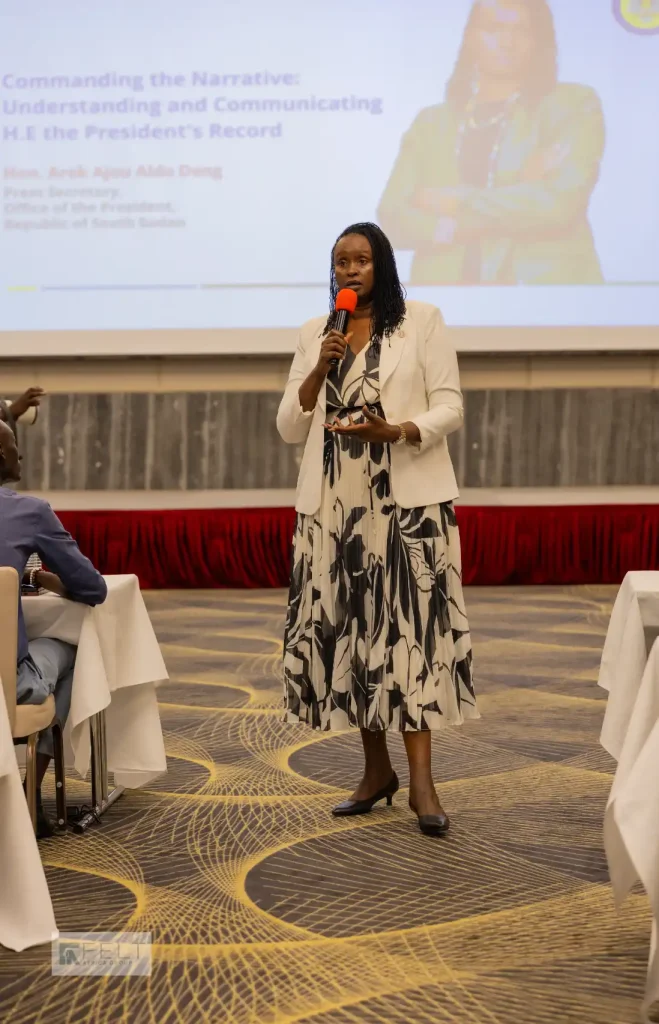
Hon. Amb. Arek is the sitting Press Secretary at the Office of the President, with over two decades of governance leadership, including heading South Sudan’s first Government Delivery, Accountability and Efficiency Unit.
As the institutional custodian of President Kiir’s record and voice, she anchored the programme’s Commanding the Narrative session, giving participants the President’s approved brief directly from the office that authors it, rather than a secondhand summary.
The Approach
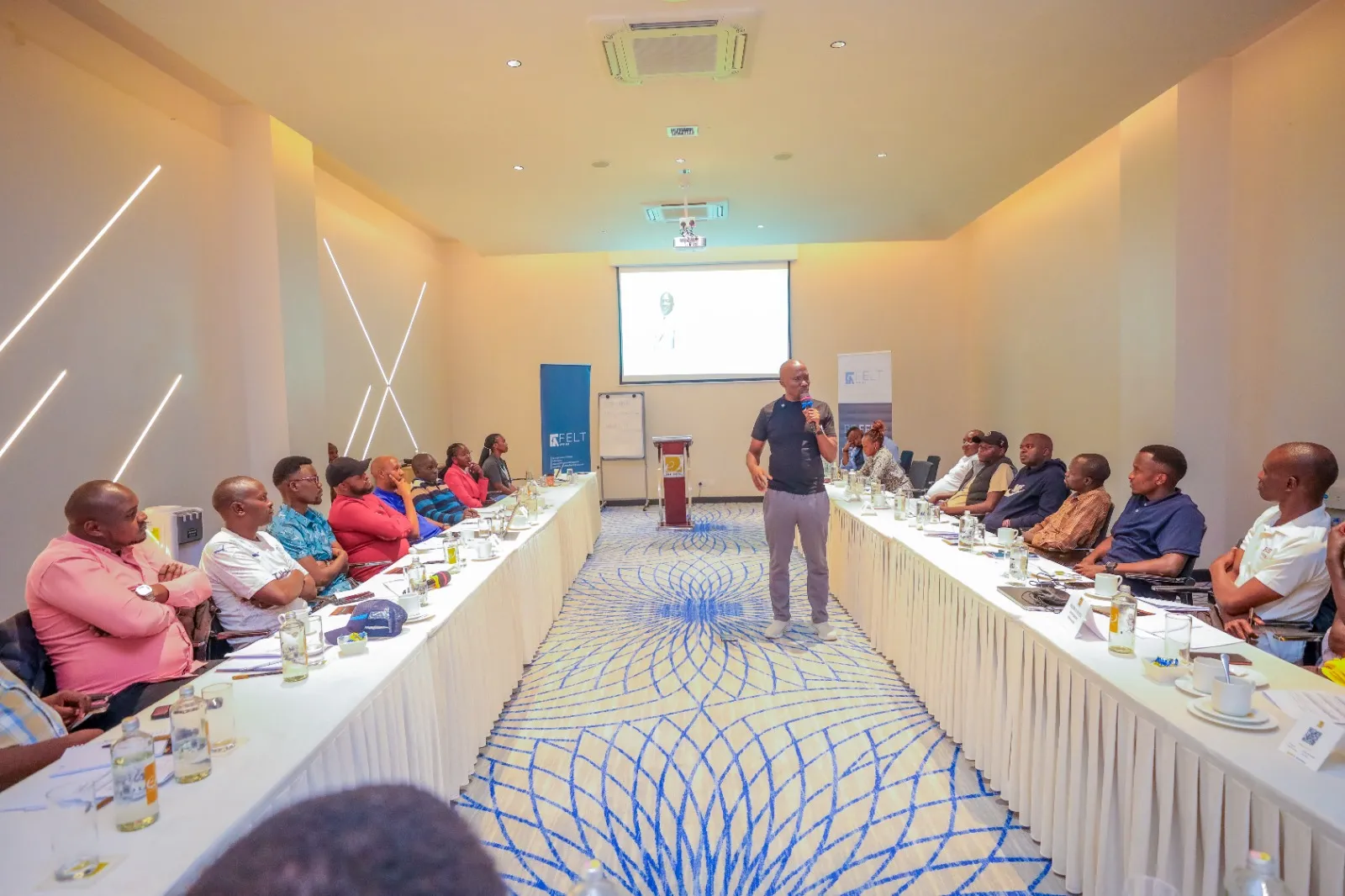
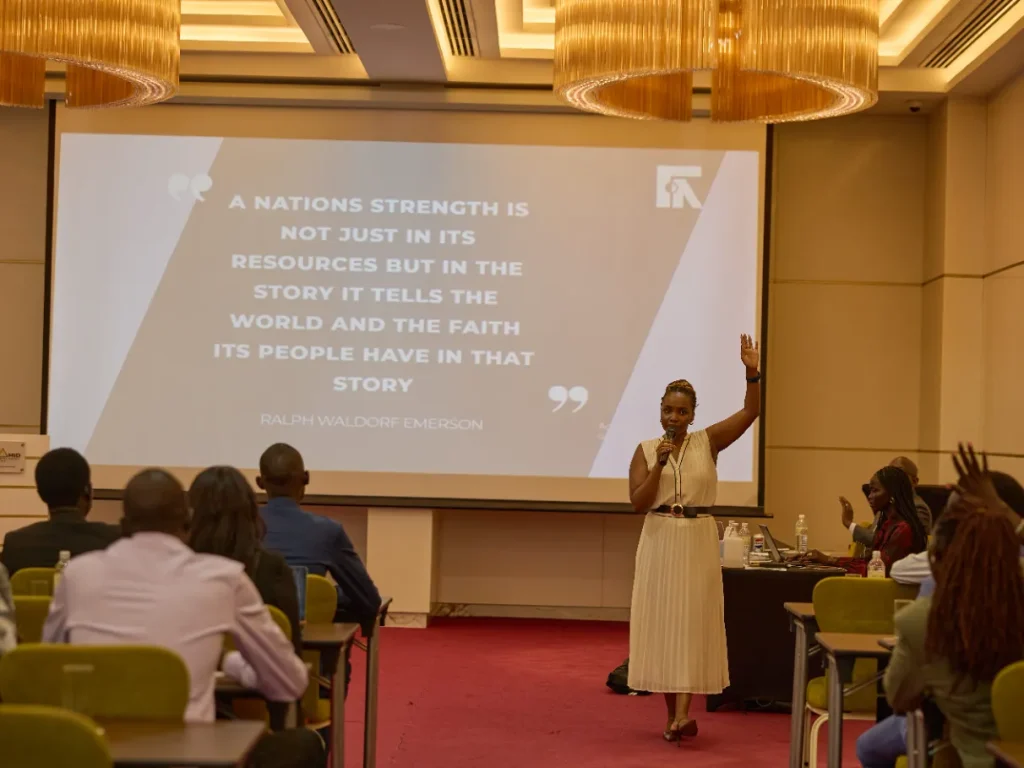
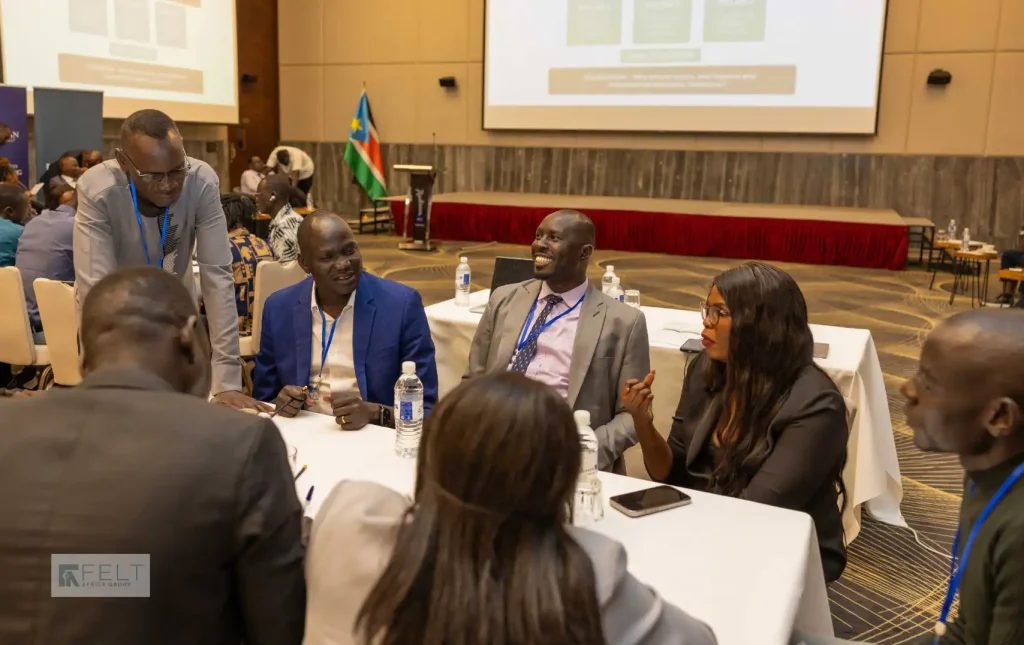
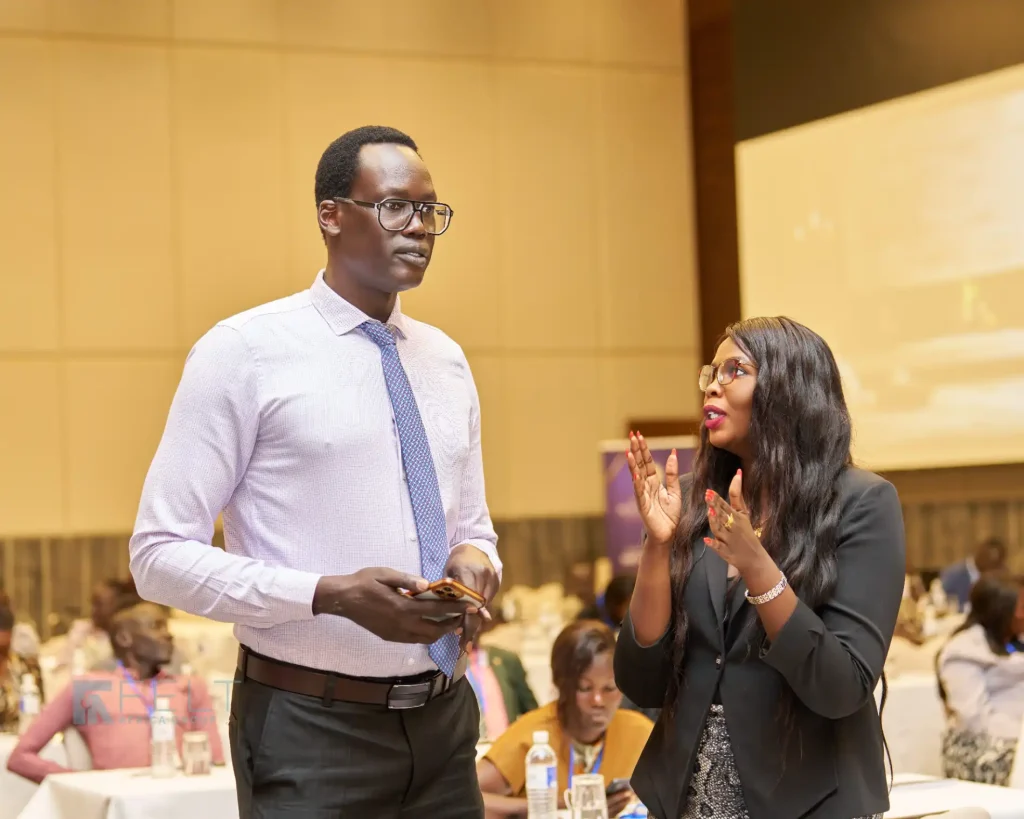
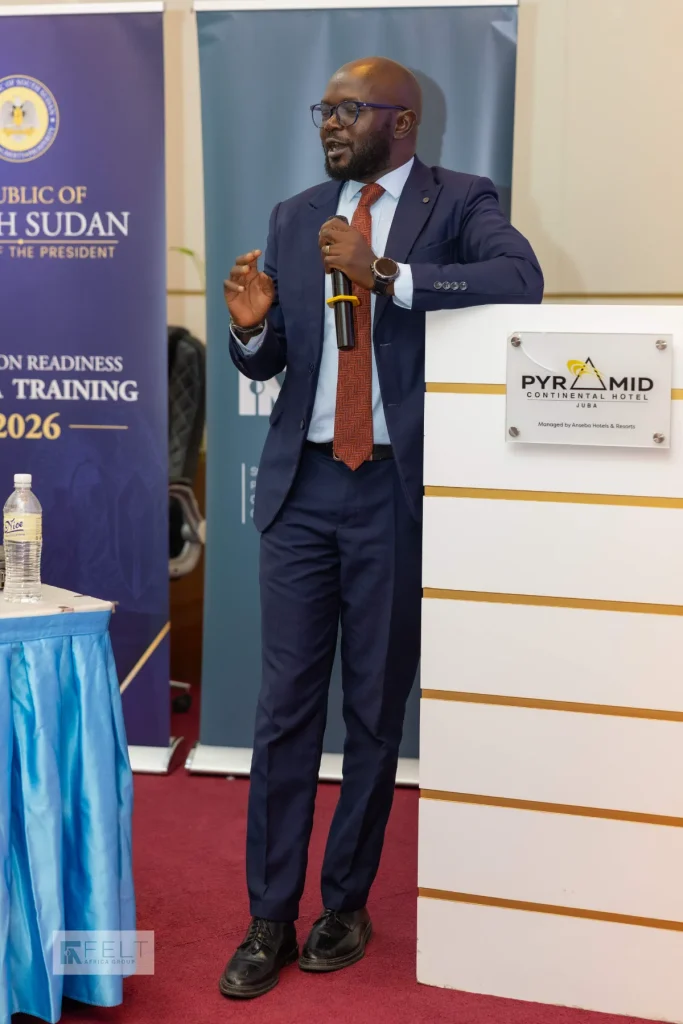
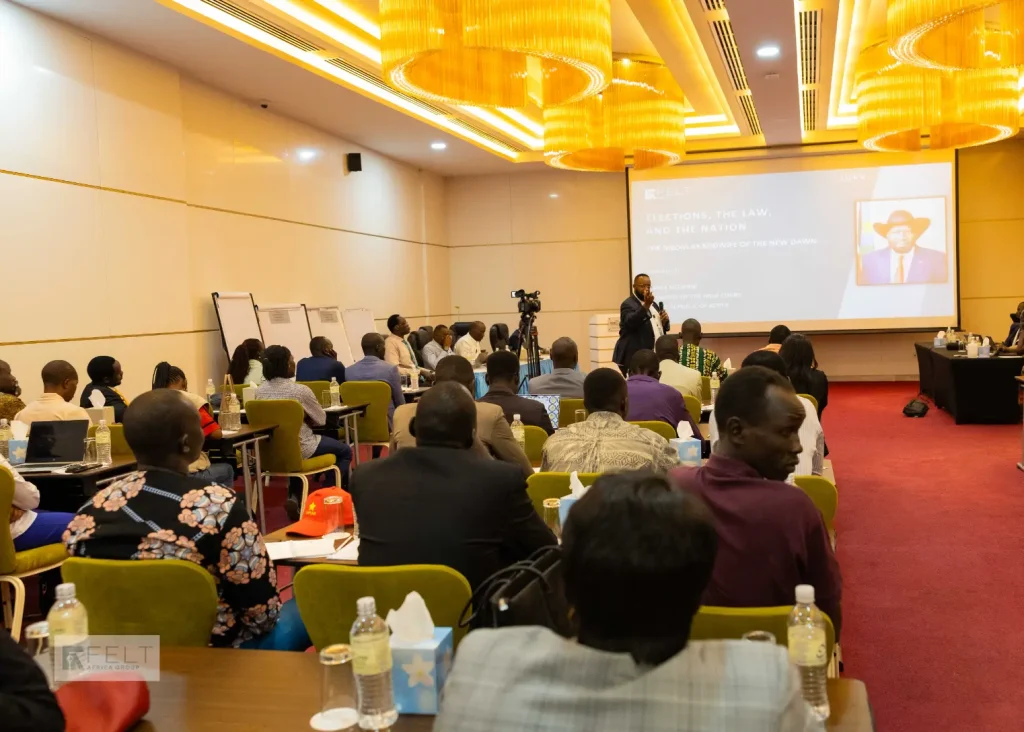
Over 4 days, FELT Africa delivered a nine-session curriculum to two distinct cohorts: SPLM party press units and political messaging teams on Days 1 and 2, and State Government communicators from the Presidency, ministerial offices, governors’ offices, and advisors’ teams on Days Three and Four.
- Strategic Messaging: Setting the Agenda and Holding the Message Before Elections (Diana Ngao) – Building a message architecture and a five-step pressure-response framework for holding a national line under scrutiny.
- The Elections, the Law, and the Nation (Chaka Sichangi) – Framing the December election as one clause in South Sudan’s longer constitutional covenant, with the media positioned as midwife rather than mirror of that process.
- Social Media Strategy and Digital Campaign Communications (James Njoroge) – A platform-by-platform strategy across Facebook, WhatsApp, X, TikTok, and Instagram, four content pillars, and firm non-negotiables on responsible AI use in campaign material.
- Commanding the Narrative (Hon. Arek Ajou Aldo Deng) – The Presidency’s authoritative brief on President Kiir’s record, organised into four approved frames and paired with a strict language discipline for every communicator to carry forward.
- Strategic Messaging, Part Two (Diana Ngao) – Deepening the agenda-setting and pressure-response frameworks introduced on Day One for the State Government cohort.
- Election Day Communication and Reporting (Mbugua Ng’ang’a) – A reporting plan built on Kenya’s own electoral history, teaching participants to begin with the end in mind and to value verification over speed.
- Managing Disinformation and Hostile Media Coverage (Mbugua Ng’ang’a) – The difference between disinformation and misinformation, the four forms disinformation typically takes, and a practical verification checklist for countering hostile coverage.
- Country Framing: Ceeng, Dheng, and the Good Name of South Sudan (Chaka Sichangi) – Reputation as collective national wealth, South Sudan’s defamation and cybercrime law, and case studies of nations that rebuilt damaged global reputations.
- Statecraft, Narrative Control, Crisis Management and Election Communications (Dennis Onsarigo) – The four pillars of the 2026 election communications strategy and the institutional handoff between government communicators and electoral bodies.
What Set This Engagement Apart
Several elements gave this programme a weight beyond a standard training engagement. The Presidency’s own Press Secretary delivered the authoritative content brief herself, giving participants direct access to the office that authors the national narrative rather than a relayed version of it.
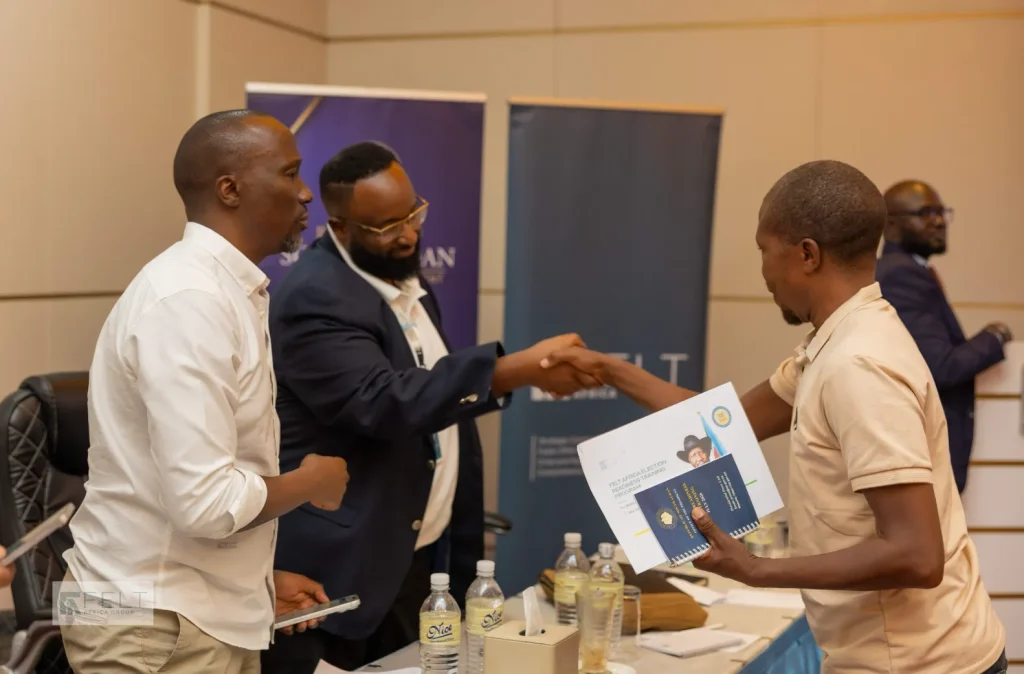
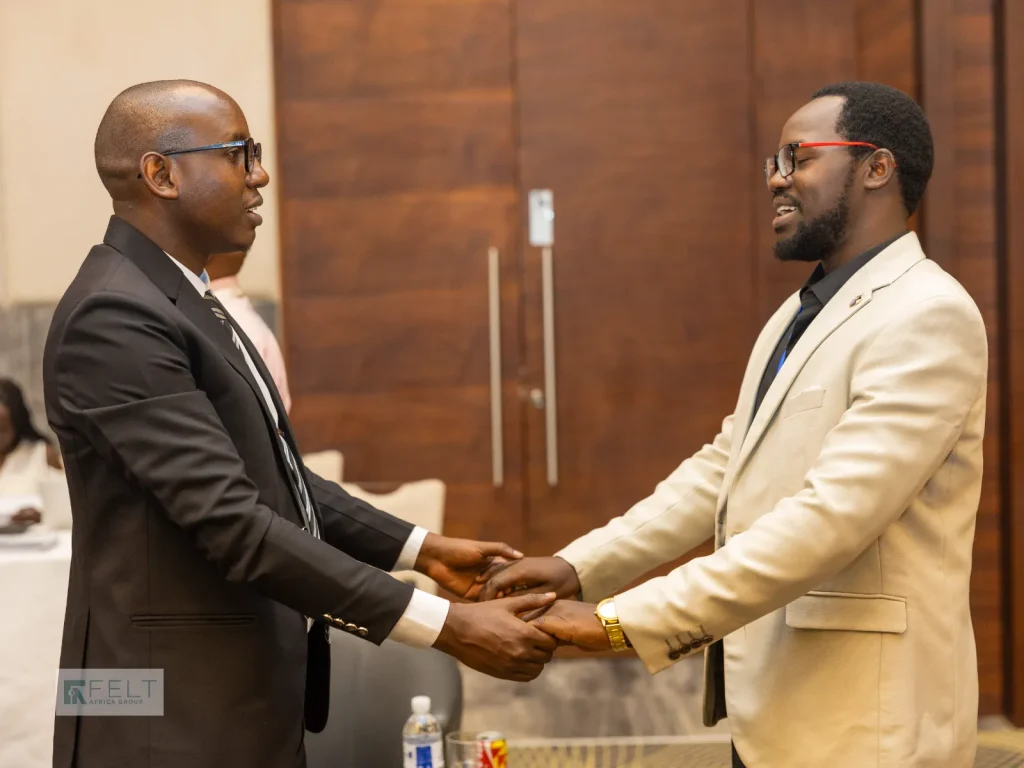
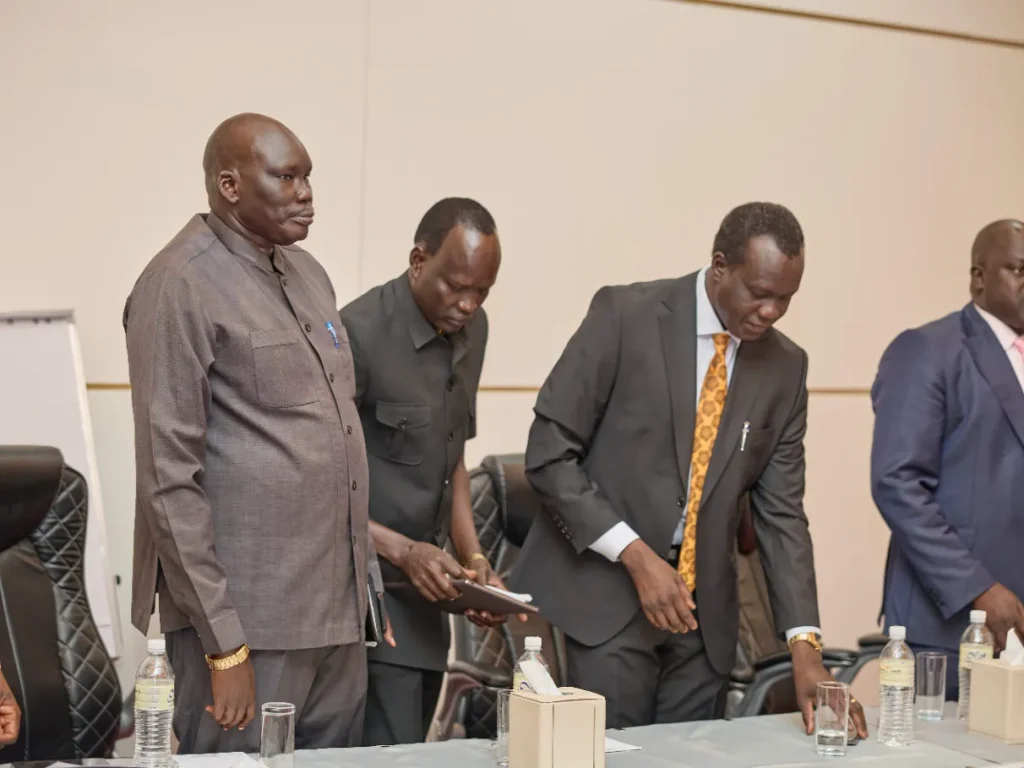
The Deputy Minister of Information, the SPLM Secretary General, and the Managing Director of the South Sudan Media Authority each opened, closed, or engaged directly across the 4 days, lending the programme institutional weight that extended well beyond the training room.
Every session was translated live into Arabic by a member of the Presidential Press Unit, ensuring the frameworks landed with equal clarity for every participant regardless of language, a practical expression of the unity the programme set out to build.
FELT Africa also embedded 4 South Sudanese professionals into its delivery team, covering project management, rapporteuring, and content production, leaving local production capacity in the country long after the four days ended.
The curriculum itself carried an added layer of rigour: the frameworks taught, from the disinformation typology to the AI-use safeguards and the defamation law standard, matched almost precisely with the leading international references governing each subject, including UNESCO, the Council of Europe, and the African Court on Human and Peoples’ Rights. South Sudan’s communicators trained against the same standards the continent’s own human rights bodies and the wider international community hold this work to.
The Result
- An average participant satisfaction score of 4.5 out of 5 across 70 respondents, with 89% rating the programme a 4 or 5.
- Strong quiz-verified retention of core frameworks: 88% of participants correctly identified the approved framing for South Sudan’s election story, and 70% correctly applied both the digital messaging discipline and the election-day deployment principle taught in their sessions.
- A wordcloud exercise on holding the narrative under pressure returned Truth, Integrity, Honesty, Accountability, and Consistency as the dominant terms participants associated with earning audience trust.
- A shared command of President Kiir’s record and unified frameworks for strategic messaging, spokesperson skills, crisis communication, and election-specific protocols across communicators from the Presidency, ministerial offices, governors’ offices, and party structures spanning all ten states.
- Direct engagement between state-level communicators and the Media Authority and Office of the President, strengthening working relationships ahead of the election period.
- One participant closed the training with words that captured its spirit precisely: “Journalists are the gatekeepers of public trust. In elections, that gate must be made of ethics, not ego. Democracy does not die in the dark. Democracy dies in the lie. Ethical journalism keeps the lights on.”
Why This Matters
Every session in this programme sat on top of FELT Africa’s National Agency and Nation-Building philosophy: the conviction that every national already carries agency over their country’s story, whether they hold a title or not, and that communicating well means holding that agency with pride, evidence, and consistency, authored by many voices working in coordination rather than handed down from one. This engagement gave that philosophy its fullest expression yet, equipping more than a hundred communicators across an entire government and party apparatus to carry South Sudan’s story with genuine ownership ahead of the most consequential moment in the country’s history.
It stands as clear proof of concept for FELT Africa’s capability at national scale: designing and delivering government communications training that holds up against international standards, engages the highest levels of state, and produces a unified, capable communications cadre ready for a live electoral test. As South Sudan moves toward 22 December, that capacity building continues.
Contact Us
FELT Africa Group designs and delivers professional communications training for journalists, spokespeople, executives, and public officials operating in high-pressure, high-scrutiny environments. To discuss a training programme for your institution, get in touch.