
At A Glance
| Duration | 3 days (5 – 8 February 2026) |
| Scope | Final leg of a nationwide training series covering community radio journalists across Kenya |
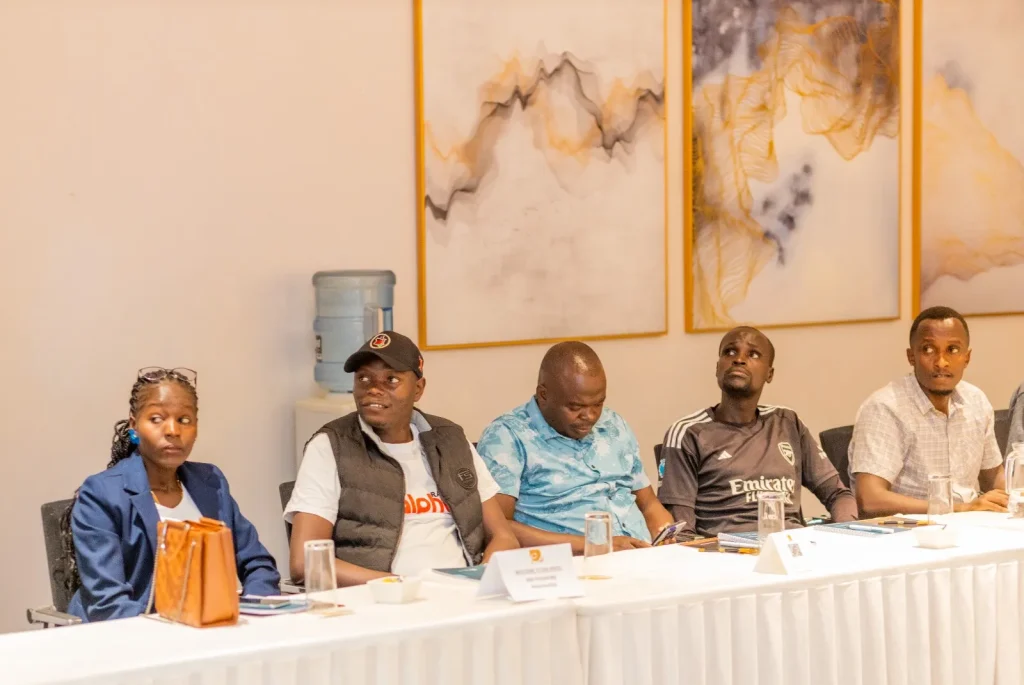
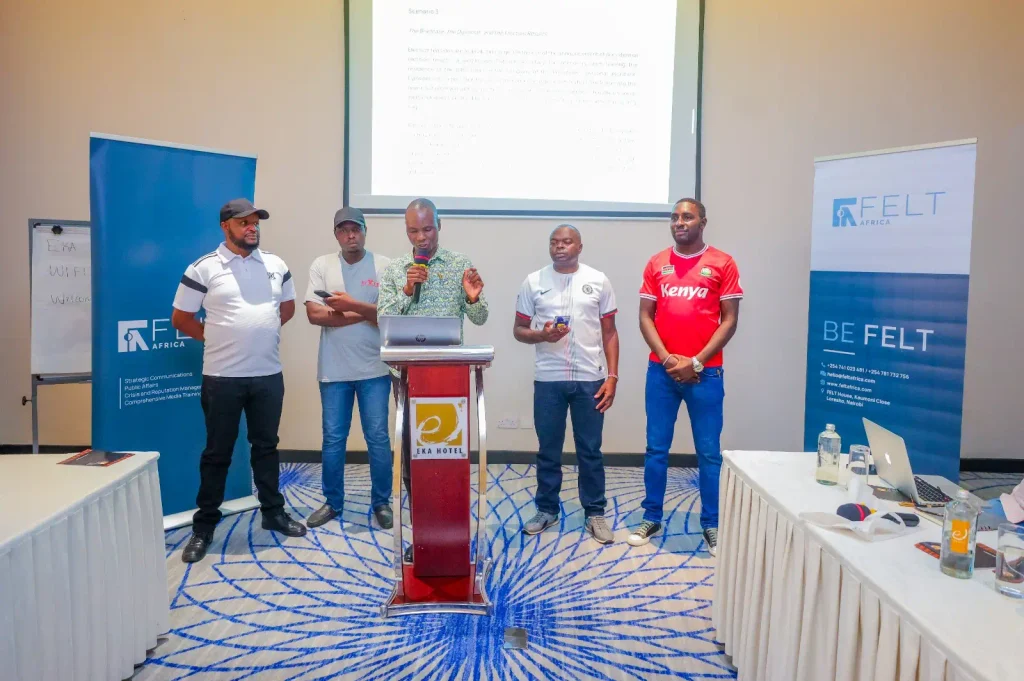
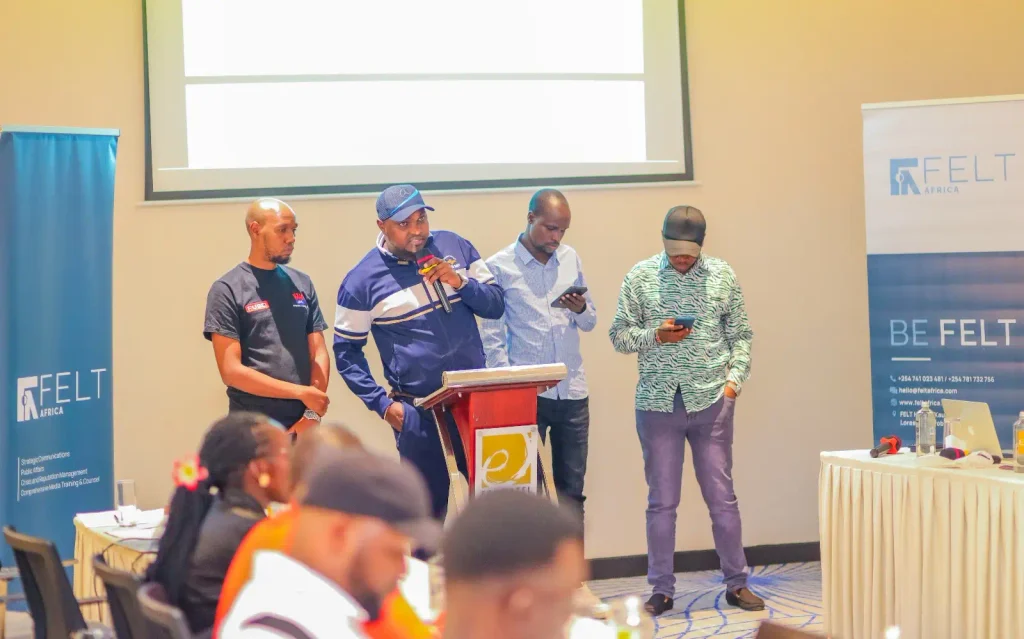
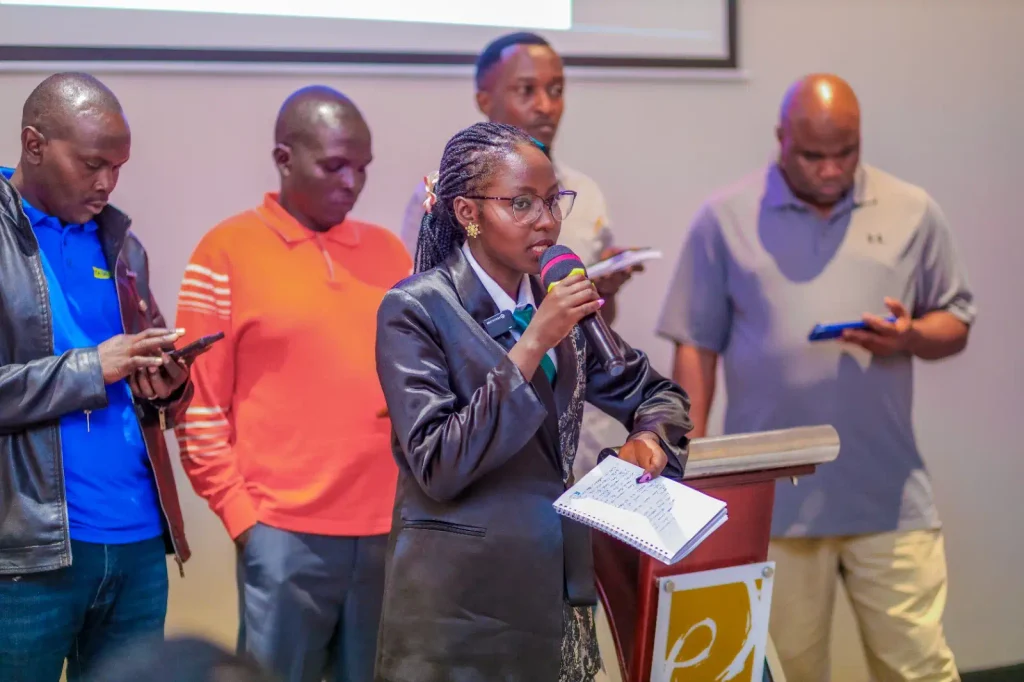
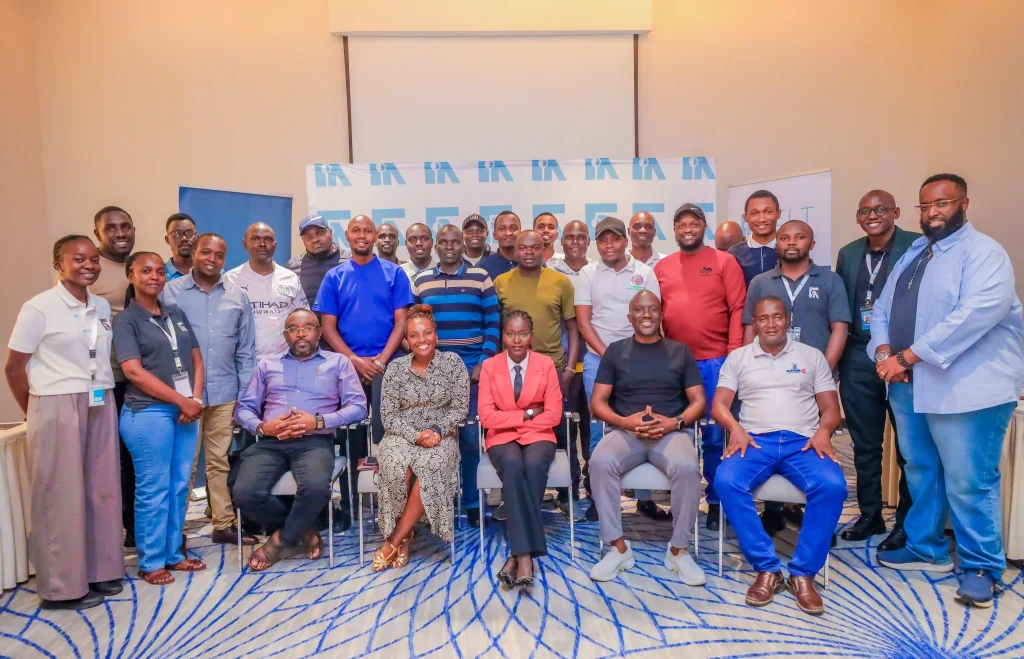
| Participants | 20 journalists representing 19 radio stations across Nakuru, Baringo, Elgeyo Marakwet, Uasin Gishu, Kericho, Trans Nzoia, Samburu, West Pokot, Turkana, and Nandi |
The Challenge
Community and vernacular radio remains one of the most influential platforms in Kenya’s media landscape, particularly in regions where live broadcasting and audience call-ins shape public opinion in real time. That influence carries risk. Journalists in these newsrooms operate under mounting pressure: political polarisation, misinformation, economic vulnerability, and a legal environment where a single unverified claim can expose both the journalist and the station to defamation.
Many of these journalists have limited access to structured legal literacy or ethics training, despite carrying outsized responsibility for shaping community discourse in politically sensitive environments.
Why FELT Africa Was Engaged
This mandate called for a partner who could move fluidly between newsroom judgement, legal exposure, and political reality, and FELT Africa’s practice was built for exactly that combination. The firm blends journalism, legal advisory, governance, and strategic communications expertise, ensuring the training moved beyond technical media skills into the political and regulatory realities Rift Valley journalists navigate daily.
The engagement also reflected FELT Africa’s approach to capacity building as sustained investment rather than a one-off event. Eldoret was the eighth and final stop, following FELT Africa’s delivery of the same training in 7 other regions of Kenya. That national footprint gave the firm a country-wide vantage point on the pressures, gaps, and realities facing community radio, sharpened over seven prior engagements before it ever reached the Rift Valley.
By the time the Eldoret session opened, the training was not a first attempt at understanding these newsrooms. It was the culmination of lessons drawn from an entire country’s worth of engagement, applied to the region that closed the series.
The Trainers
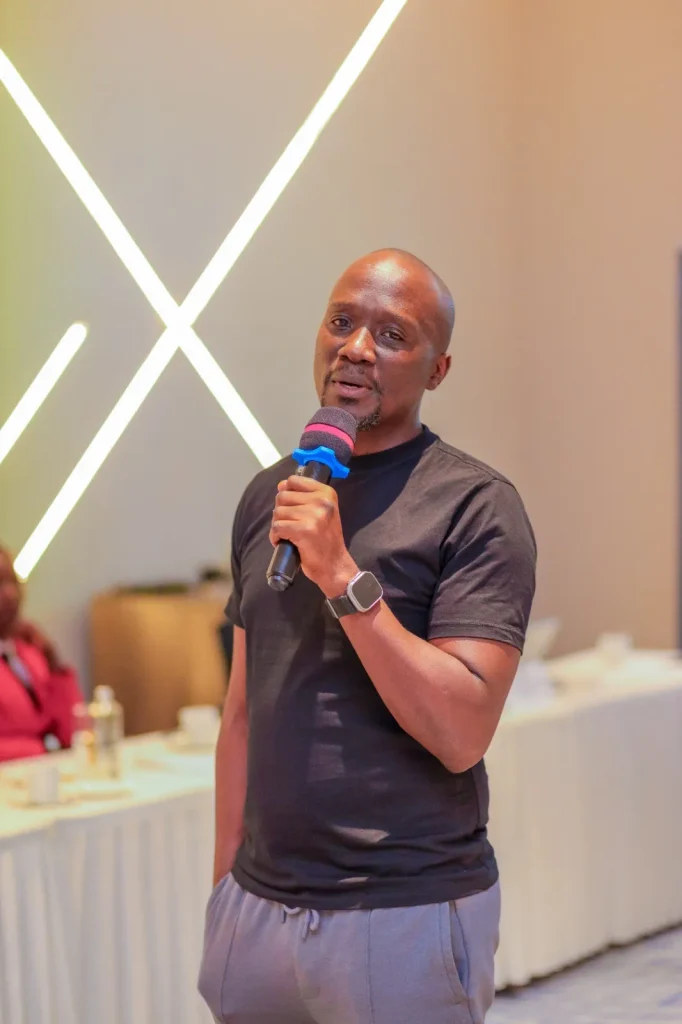
Dennis Onsarigo
Chairman – FELT Africa
Dennis led the session on leadership and career development, drawing on a journey that began as a cameraman at Nation Media Group and grew into leading the Investigations Desk at Standard Media Group, where he launched Case Files and The Lead.
His later roles as Director of Communications for Taita Taveta County, Chief of Staff for Nyamira County, and Press Secretary for a national presidential campaign meant every lesson on discipline, humility, and reinvention came from decisions he had made himself, under the same pressures the participants face in their own newsrooms.
Diana Ngao
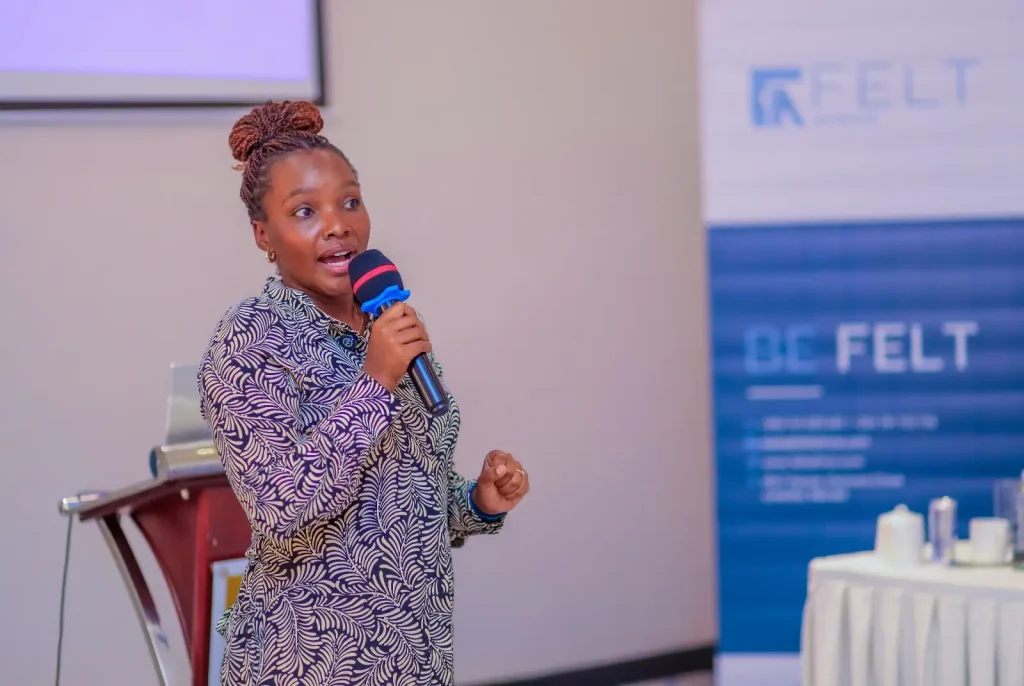
Managing Director – FELT Africa
Diana opened the training and set its tone. Her work spans governance communication, crisis and reputation management, and political campaign communications, including directing communications for Hon. Martha Karua and Hon. Raila Odinga during Kenya’s 2022 presidential campaign.
That background in high-stakes institutional communication gave her the standing to frame the training as a professional intervention rather than a routine workshop, and to connect the day’s themes directly to institutional trust and national cohesion from the outset.
Chaka Sichangi
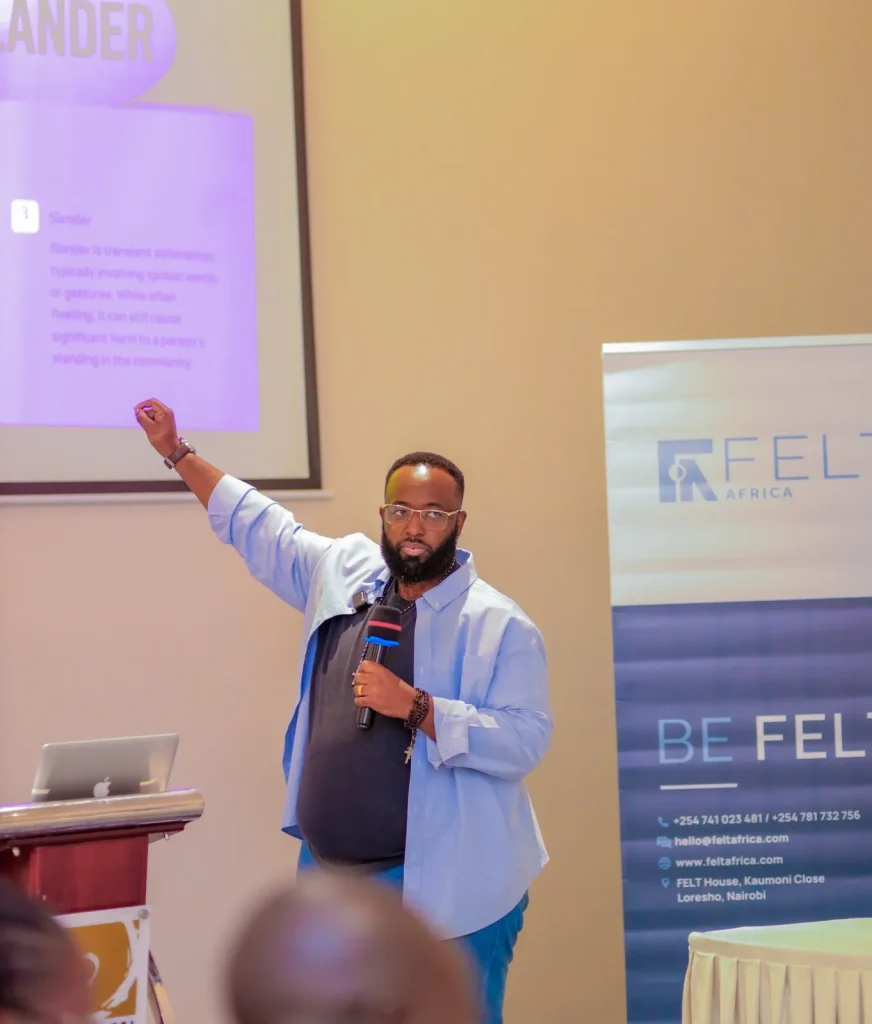
Director of Policy, Law and Research – FELT Africa Group
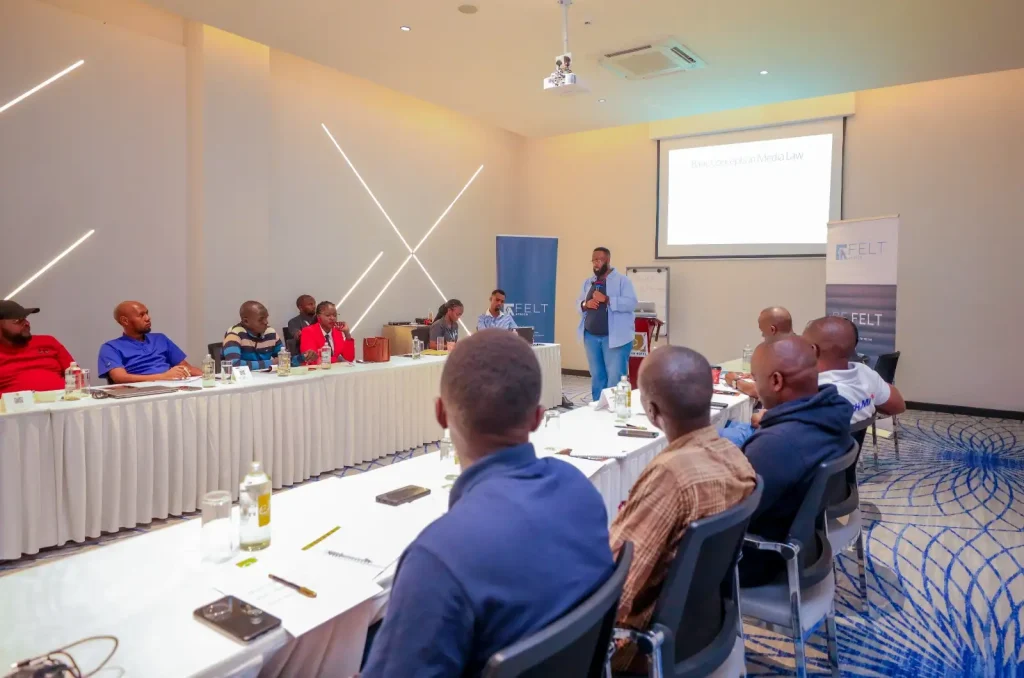
Chaka led the sessions on media law and misinformation, and few in Kenya bring a broader legal vantage point to that subject.
He is an Advocate of the High Court of Kenya with experience in litigation and commercial law – giving him regular courtroom exposure to how defamation and press-law disputes actually unfold.
That range meant his session moved past a recitation of the Media Council framework into the regulatory instincts of someone who advises governments and corporations on legal risk for a living, walking participants through defamation liability and available defences.
Mbugua Ng’ang’a
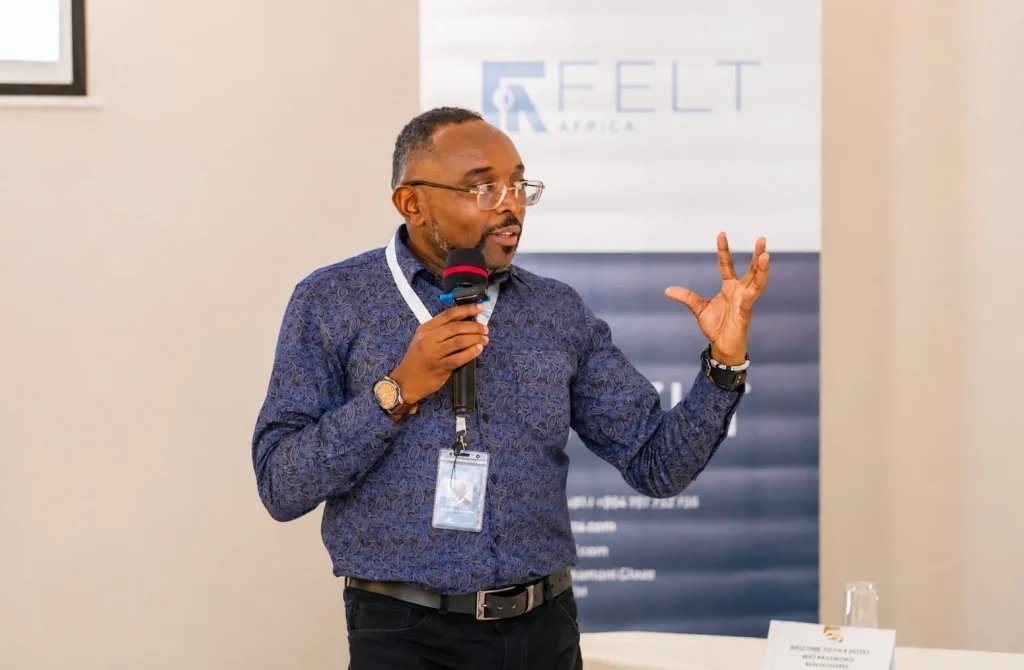
Lead Media Trainer – FELT Africa Group
Ng’ang’a led the sessions on separating fact from opinion and on the boundary between journalism and activism, having spent over 25 years running some of Kenya’s most senior editorial desks, including Deputy Managing Editor of the Daily Nation and Ag. Group Managing Editor at Nation Media Group. He is currently the Editor-in-Chief at Nairobi Law Monthly and Business Law Monthly.
Few people have made the fact-versus-opinion call as often, at that level, as he has. His parallel career as an award-winning author added a sharpened sensitivity to language and framing, precisely the skill participants needed to catch how emotive wording or subtle bias creeps into live broadcasting.
The Approach
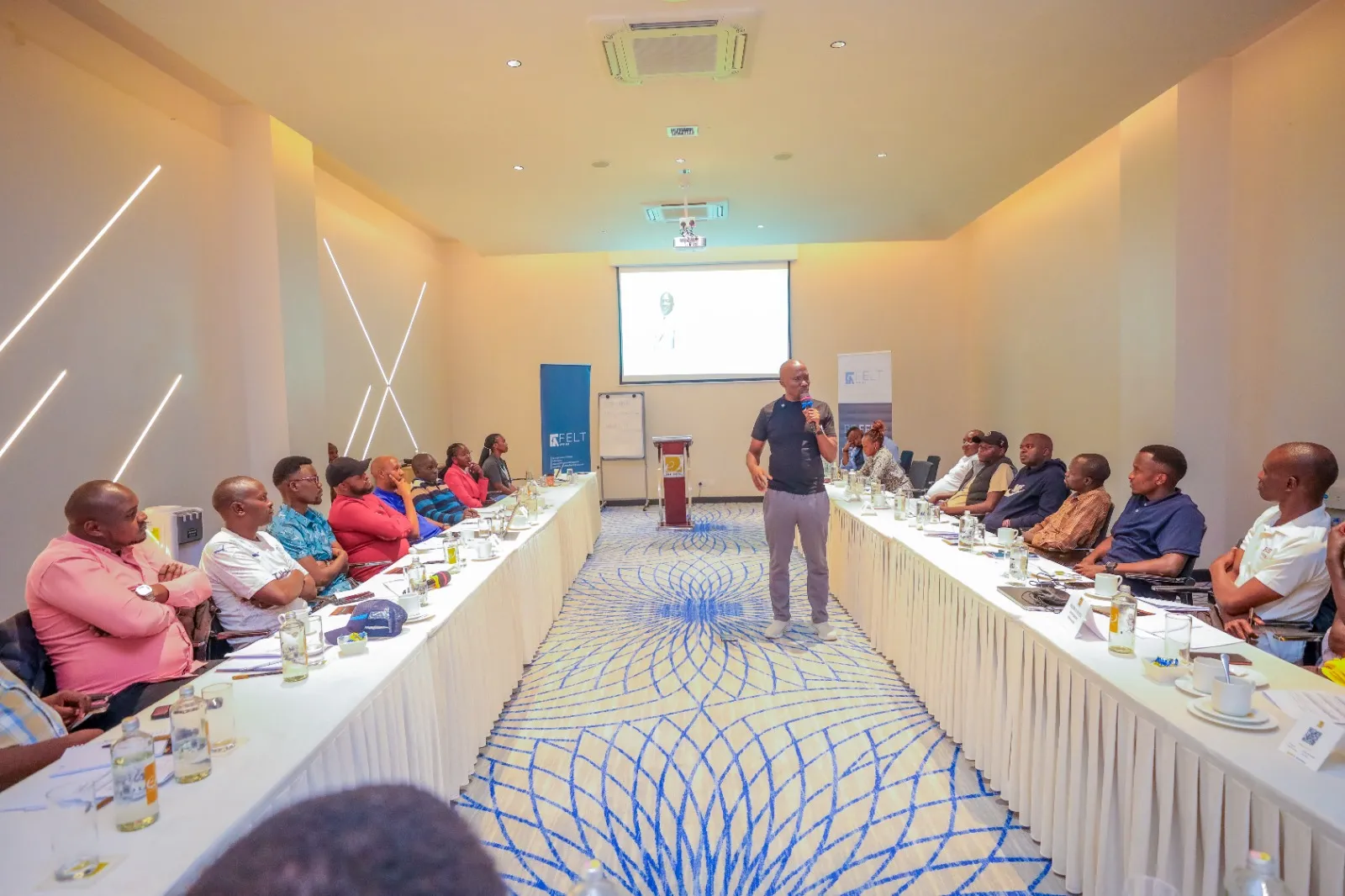
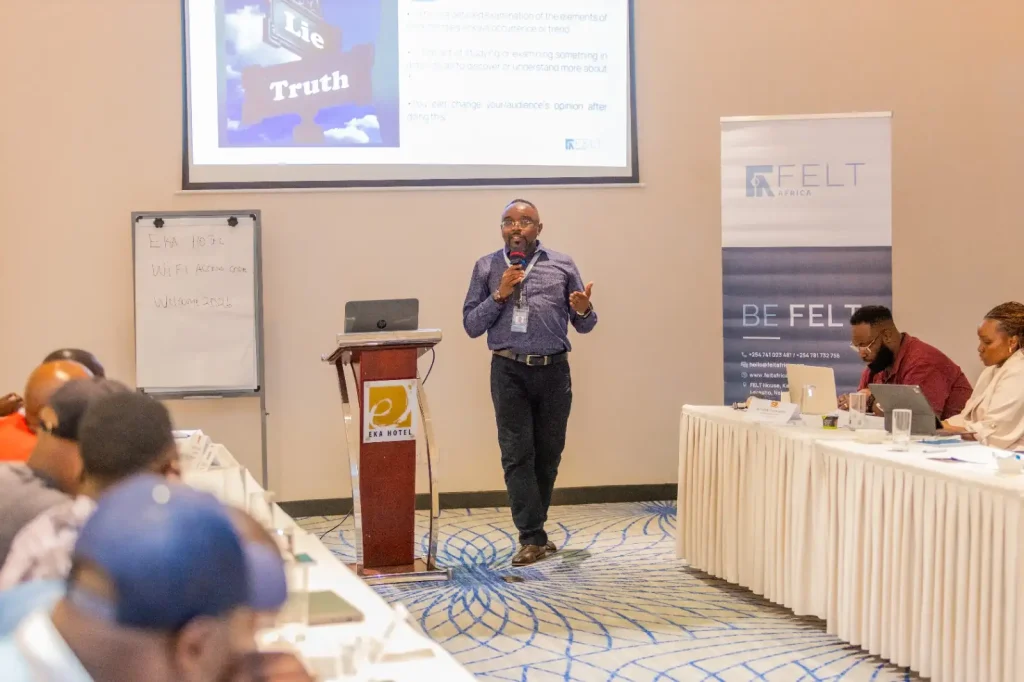
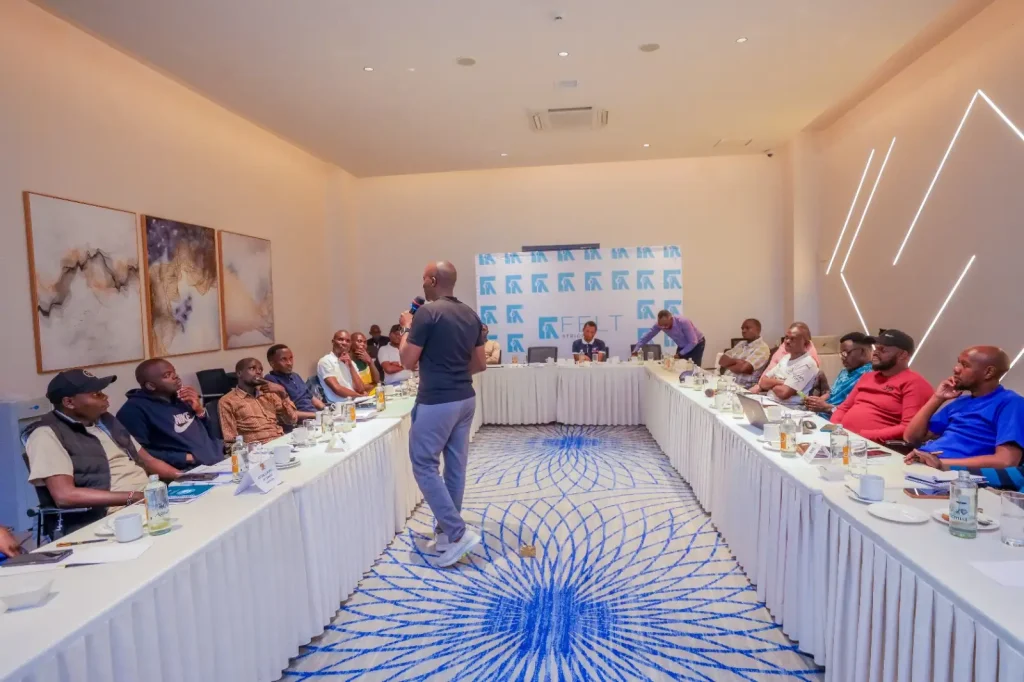
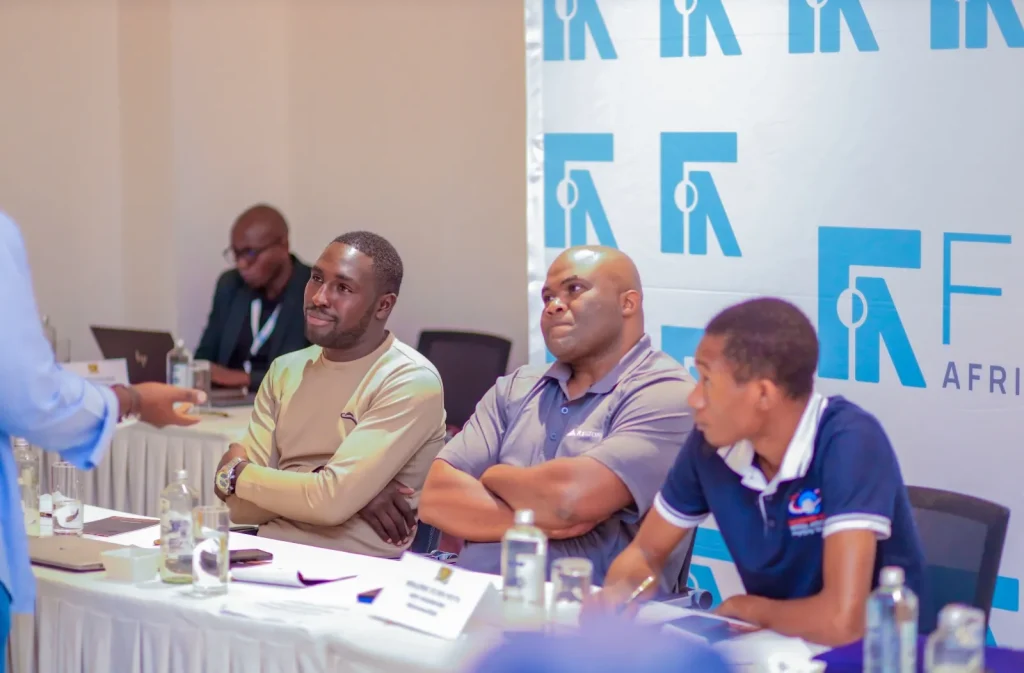
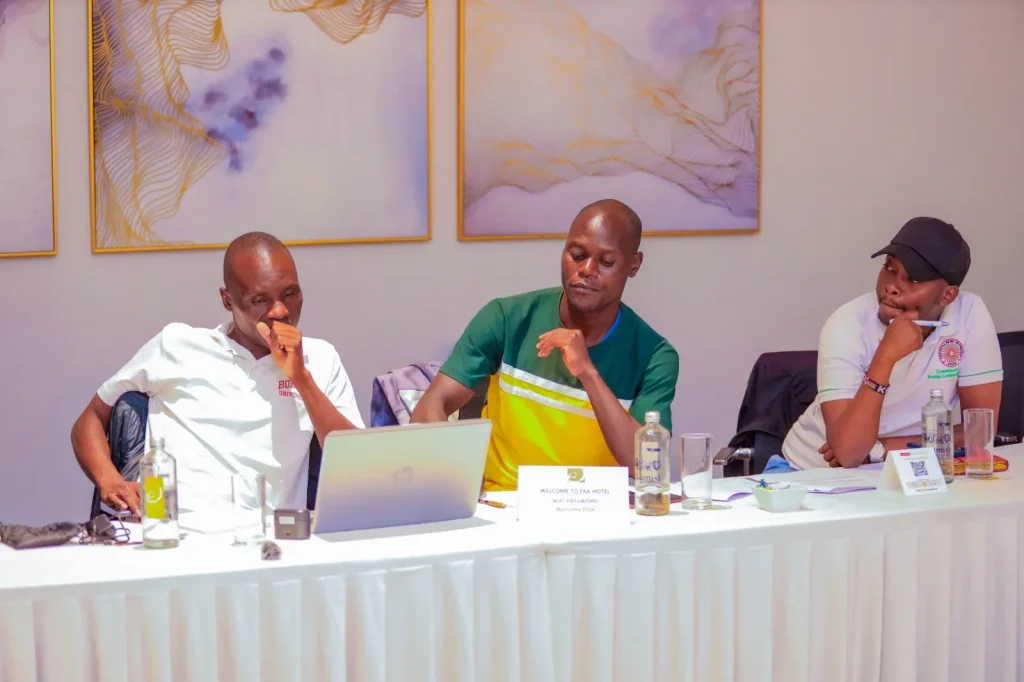
Over 3 days, FELT Africa delivered a structured 7-session curriculum built around a central premise: professional discipline is the strongest safeguard journalists have, both individually and institutionally.
The programme moved participants through:
- Framing the Stakes – Positioning the training as a professional intervention, not a routine workshop, against the backdrop of Kenya’s polarised media environment.
- Facts, Opinions, and Analysis – Practical tools for radio presenters to separate verified information from commentary during live broadcasting.
- Media Law and Defamation Liability – Constitutional protections, libel and slander distinctions, available legal defences, and the Media Council framework, translated into a pre-publication checklist journalists could apply immediately.
- Journalism Versus Activism – A role-clarity framework addressing how perceived bias, even unintentional, erodes long-term credibility.
- Misinformation and Disinformation – How radio amplifies unverified claims, and protocols for handling high-tension reporting scenarios.
- Leadership and Career Development – Dennis Onsarigo’s own journey from cameraman intern to newsroom leader to strategic advisor, used to reframe career growth around discipline rather than visibility.
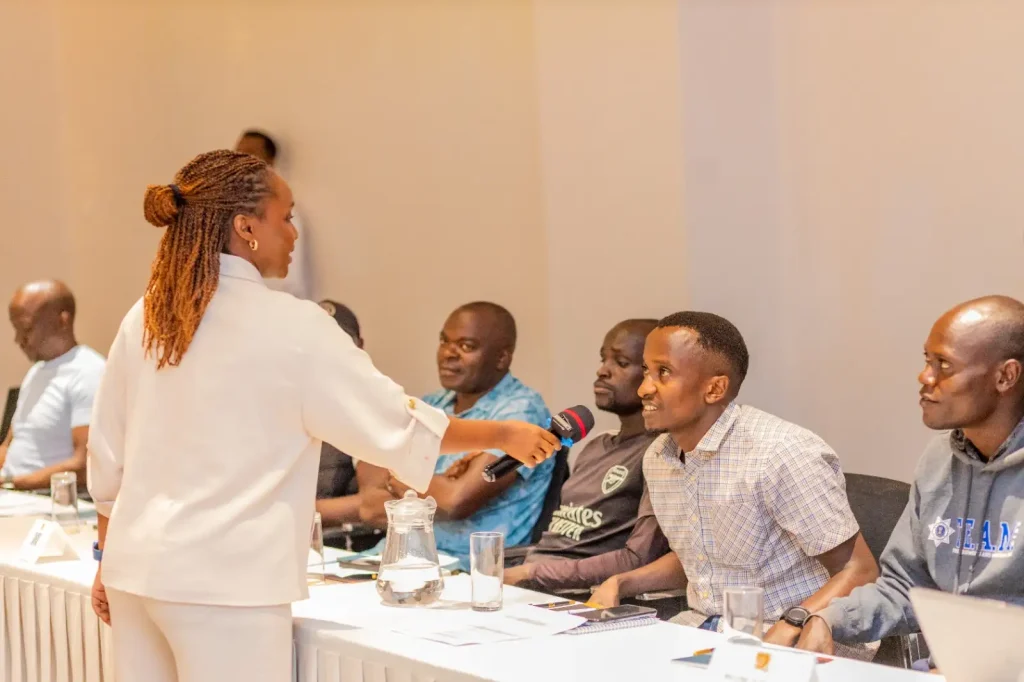
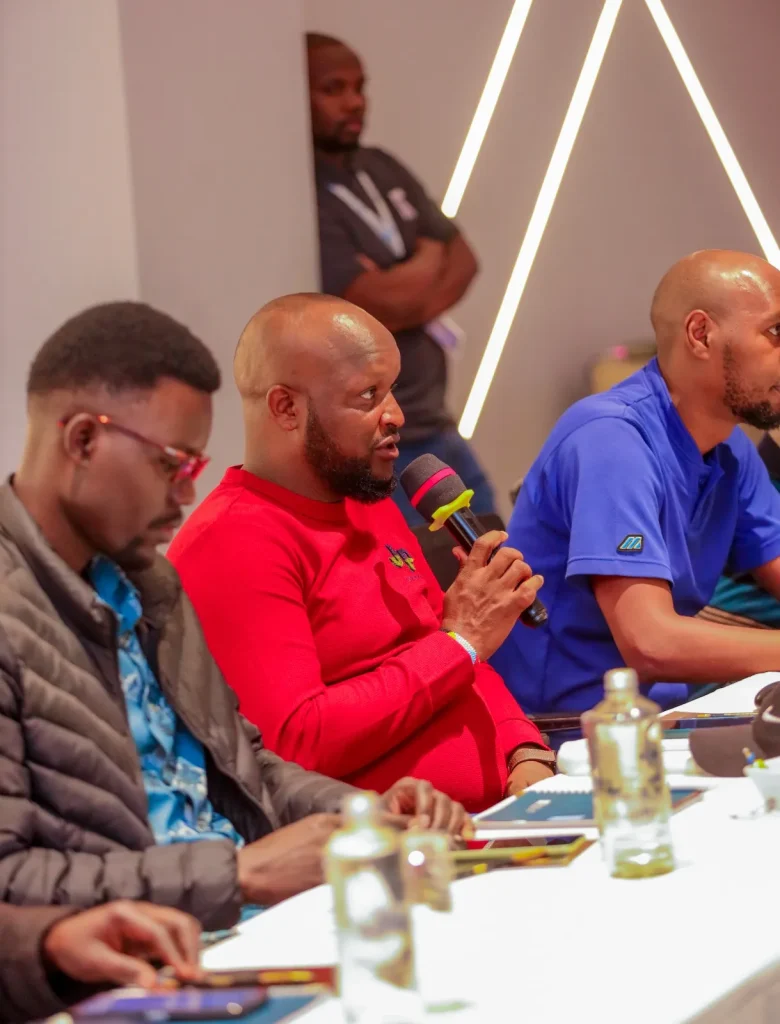
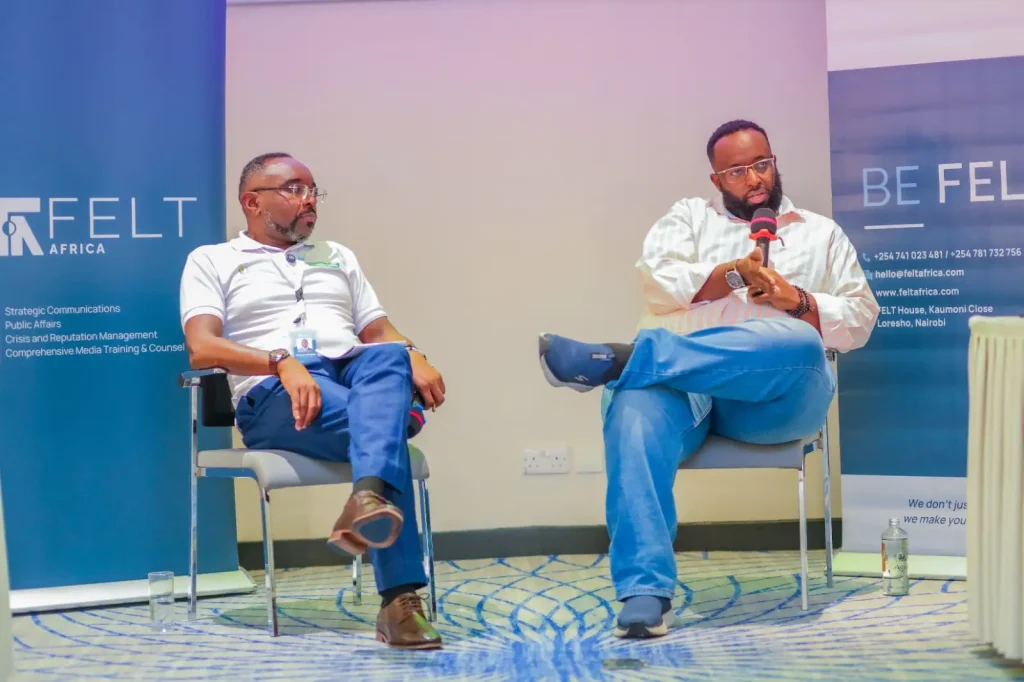
- An Open Q&A Panel – Giving journalists space to raise live, unresolved dilemmas from their own newsrooms.
What Set This Engagement Apart
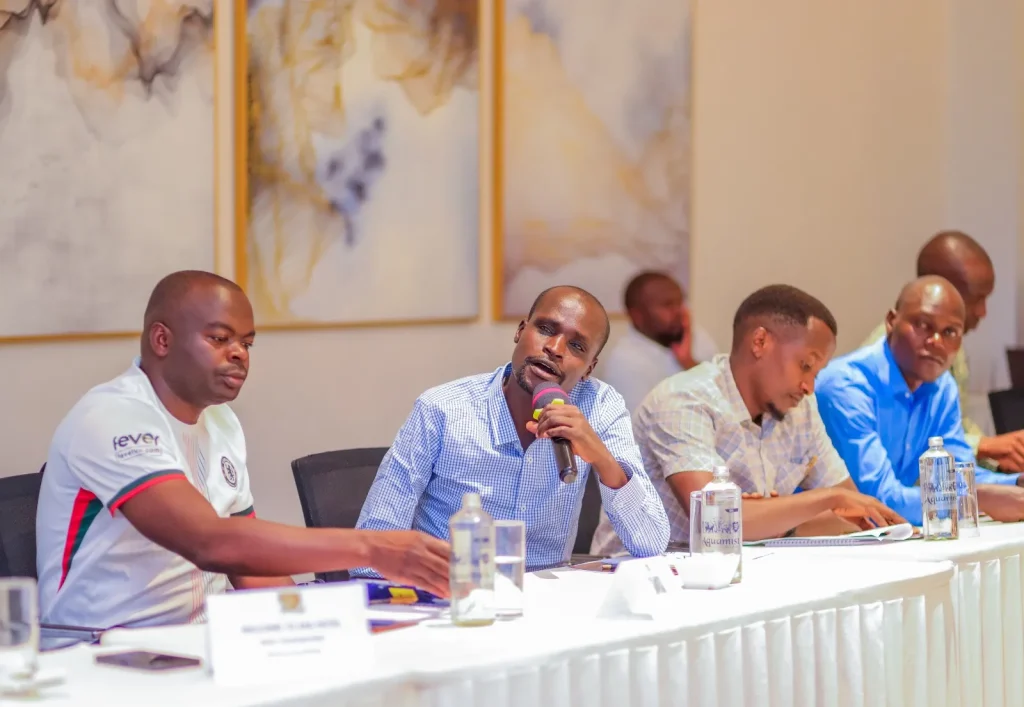
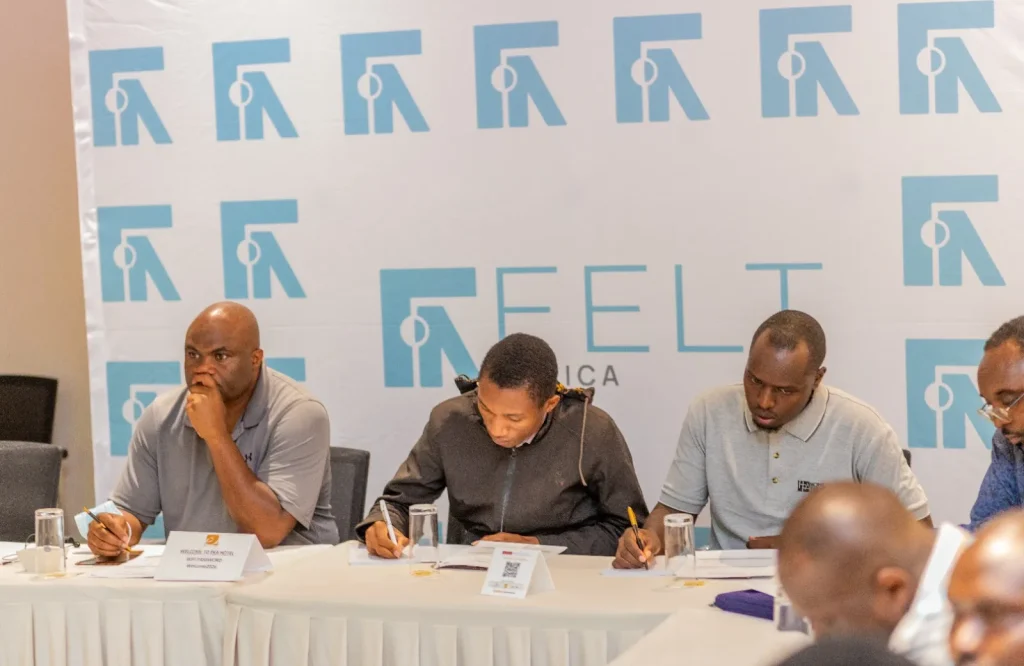
The candour of the discussion is what distinguished this training from a standard workshop.
Participants raised, and FELT Africa’s facilitators addressed head-on, issues rarely tackled in formal training settings: bribery euphemised as “appreciation,” editorial interference following advertiser pressure, threats to personal safety, and the ethical weight of reporting on cases involving sexual abuse or suicide where sources demand anonymity.
Rather than deflect these questions, the facilitation team grounded every answer in legal principle and newsroom discipline, reinforcing the frameworks introduced earlier in the programme. That willingness to engage with the hardest realities of the profession is what built trust with a group of journalists who convene, by their own account, rarely enough to have this kind of peer exchange at all.
The Result
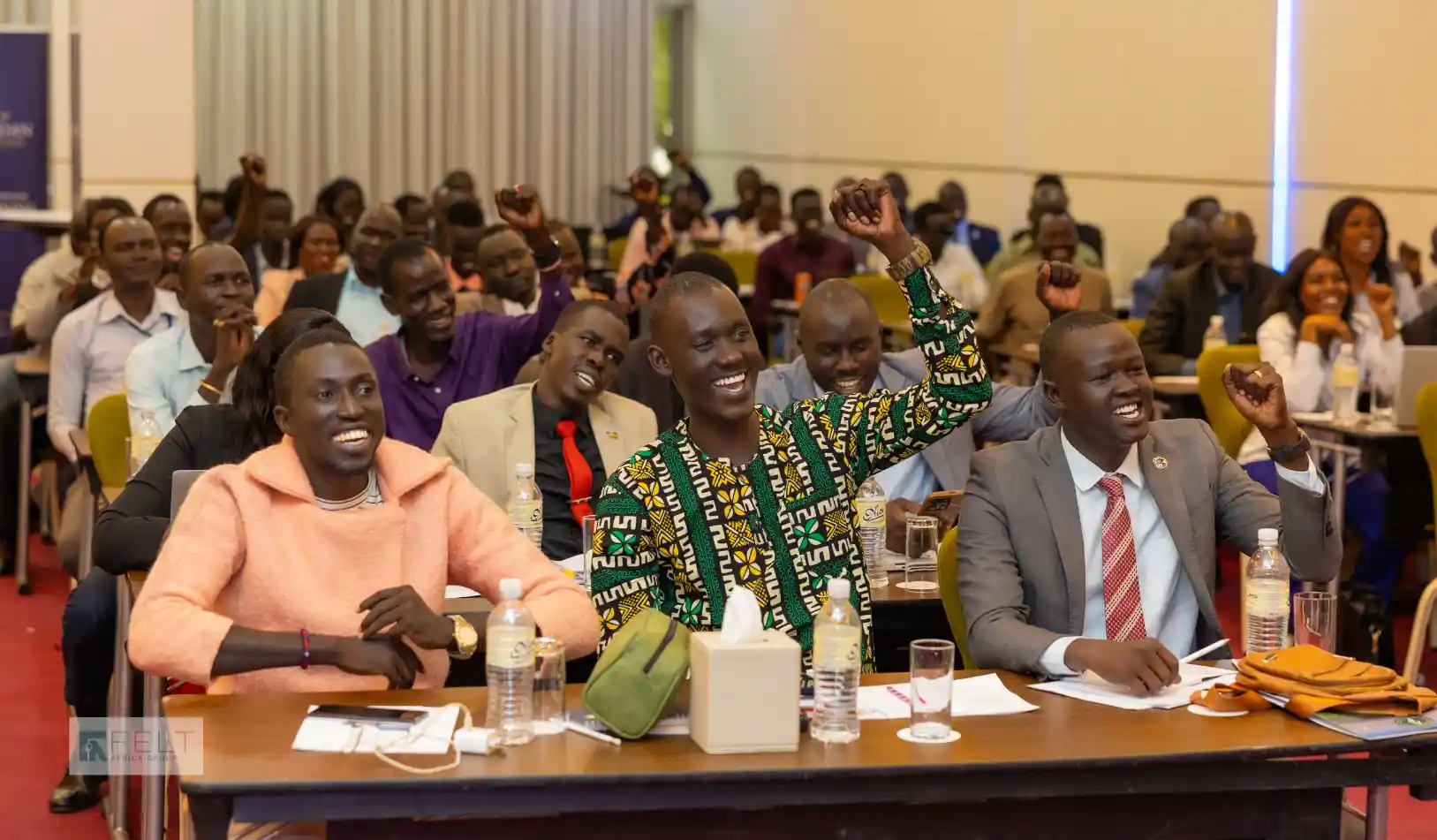
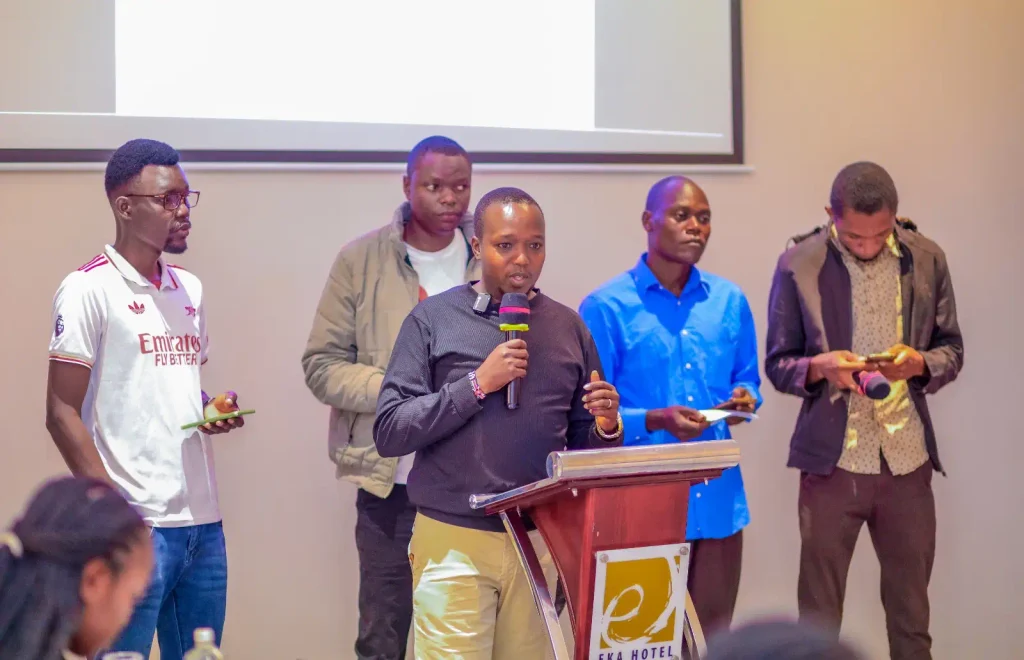
By the close of the programme, participants demonstrated a measurably sharper ability to distinguish fact from opinion, to identify defamation risk before publication, and to hold role clarity in polarised reporting environments. Feedback consistently pointed to three outcomes:
- Greater confidence applying legal and ethical frameworks to daily editorial decisions, not just recognising them in the abstract.
- A shift in how participants viewed verification, from an administrative burden to a professional safeguard.
- Renewed appreciation for their own influence as trusted voices in rural and vernacular communities, alongside a stronger peer network across the Rift Valley media landscape.
Participants also flagged an area FELT Africa is positioned to address in future engagements: structured support for the psychological strain of reporting under political pressure and threat, a signal of trust that speaks to the credibility the training team built over 3 days.
Why This Matters
The Rift Valley training is proof of concept for FELT Africa’s Professional Communications Training practice at its most demanding: taking a curriculum through legal literacy, ethics, misinformation, and career development, and delivering it to a group operating in some of Kenya’s most politically sensitive broadcasting environments, at scale, as the closing chapter of a nationwide series, by a team with a track record of doing exactly this at national level before.
It reflects a training philosophy FELT Africa applies across every engagement, from newsroom capacity building to executive media training and spokesperson development: capability is built through sustained, disciplined investment, not one-off interventions.
Contact Us
FELT Africa Group designs and delivers professional communications training for journalists, spokespeople, executives, and public officials operating in high-pressure, high-scrutiny environments.
To discuss a training programme for your institution, get in touch.