
In the first Politikali Konekted Podcast episode of 2026, Diana Ngao and Chaka Sichangi spent precious airtime trying to convince Kenyans that this year is not really 2026; it is pre-2027! But the truth is, no one needed convincing.
Election politics is already everywhere. It fills our timelines, our conversations, our anxieties. And more than anywhere else, it dominates radio.
Radio is the voice people trust when politics are tense, when rumours spread, and when clarity matters most. Because radio waits for no man; speaking in real time into homes, matatus, shambas, marketplaces and everywhere you can think of.
That is why the 2026 World Radio Day theme – “Radio and Artificial Intelligence: Innovation that Empowers, Ethics that Inspire, Trust that Endures” – could not be more urgent.
Artificial intelligence is no longer knocking at the newsroom door. It is already inside. It is shaping how content is sourced, produced, verified, and amplified. For radio, a medium built on voice and immediacy, AI’s arrival is both an opportunity and a tricky test.
The New Reality for Radio in Politically Divisive Times
Today’s broadcast journalist works under extraordinary pressure as political temperatures are high, audiences are impatient and live microphones leave no room for hesitation. Every word is instantly public, permanent, and contestable.
AI intensifies this reality. Synthetic audio can sound authoritative. Automated tools can accelerate production. Algorithms reward speed and outrage over restraint and verification. In this environment, the boundaries between reporting, commentary, and opinion are under constant assault.
And so here we are – at a moment when artificial intelligence is no longer just about innovation, but about institutional risk, legal exposure, and public trust.
The questions are no longer theoretical. The implications are no longer abstract. And the examples are already playing out.
When AI Is Used Wrongly: How Audio Authority Can Become a Weapon
In March 2024, a stark warning emerged from Sudan.
An account belonging to a TV and radio presenter shared an audio recording attributed to the head of the Sudanese Armed Forces. The recording appeared to issue chilling orders: the killing of civilians, the deployment of snipers, the seizure of buildings.
The clip went viral; being viewed more than 230,000 times and reshared by hundreds of users, including senior political figures. It was from a popular radio presenter, after all. The is no way it could have been fake, right? Wrong!
The audio was later confirmed to be AI-generated. But that was long after the damage was already done. We all know what is going on up there.
This is the danger AI poses to radio in political crises. Audio bypasses scepticism. It feels immediate. It feels intimate. And you could swear to God that it is real.
The example is unsettling, yes. But the next one is going to warm your heart.
When AI Is Used Rightly: Strengthening Accountability on Air
When AI is not being used to spark war through radio, it can actually be an incredible tool.
Enter Dubawa, an AI-powered tool built that supports journalistic accountability. The chatbot enables real-time fact-checking, assisting journalists and audiences to interrogate claims as they arise.
More powerfully for radio, Dubawa launched an AI audio platform that can monitor radio programmes, transcribe live broadcasts, and extract verifiable claims.
This solves one of radio’s most persistent challenges. Live radio is influential, but often undocumented. Claims made on air can run around the world before a retraction wears shoes. Dubawa’s approach restores memory, accountability, and evidence – without replacing editorial judgment.
It is at this point that we all put our hands together and give it up for the good people at the Centre for Journalism Innovation and Development, who came up with this innovation.
Why Professional Judgment Matters More Than Ever
All said and done, AI does not absolve journalists of responsibility. Legal awareness, ethical restraint, and clarity under pressure remain core broadcast competencies. They cannot be automated. They cannot be outsourced. They must be trained.
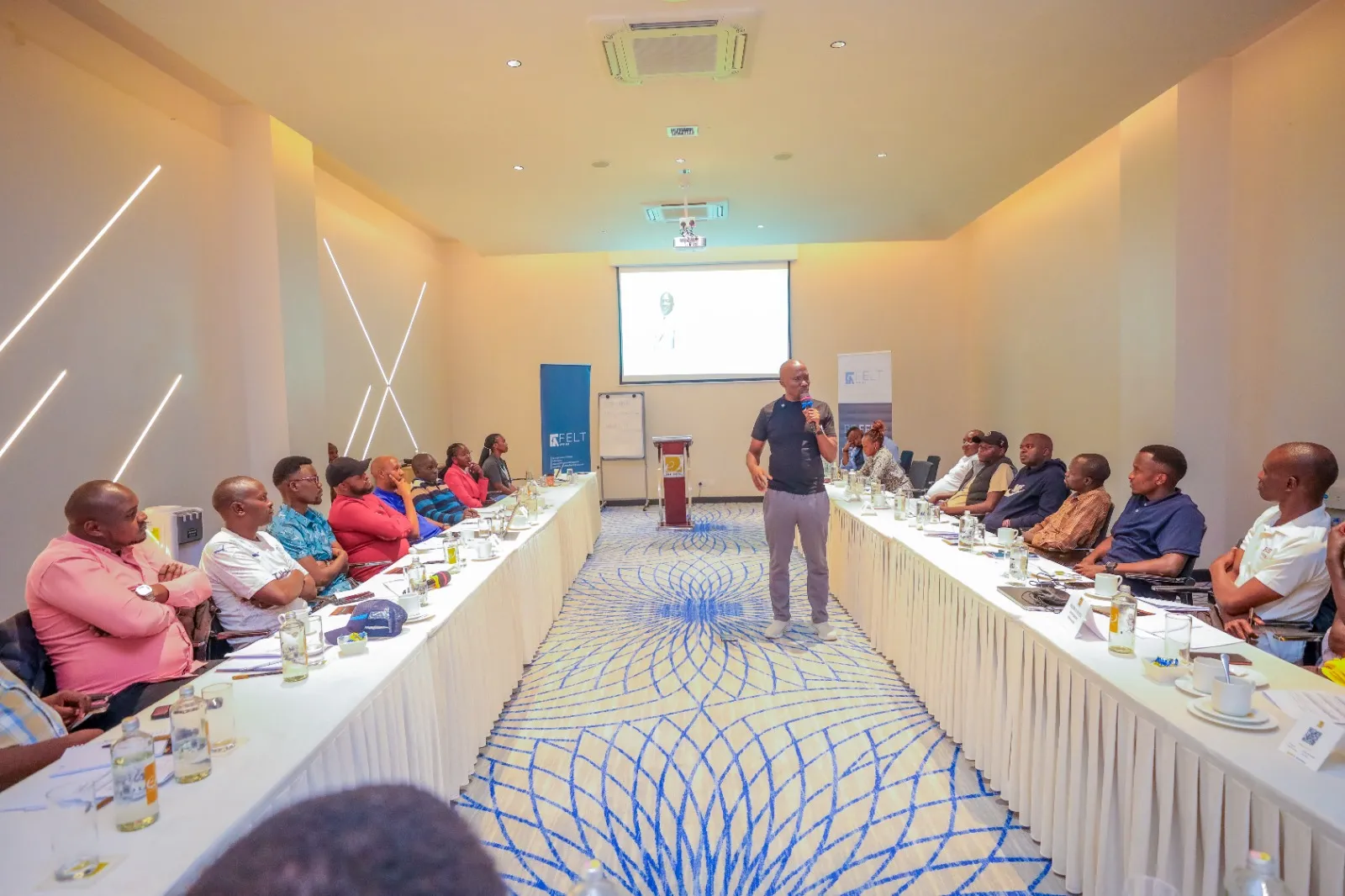
And that’s where FELT Africa comes in. We recently completed our Professional Standards Training for Broadcast Journalists and Media Practitioners in Eldoret. Our training supports journalists, editors, and media institutions as they navigate high-pressure, politically charged environments. It strengthens professional conduct, legal awareness, ethical decision-making, and the ability to distinguish journalism from advocacy – especially when technology blurs the lines.
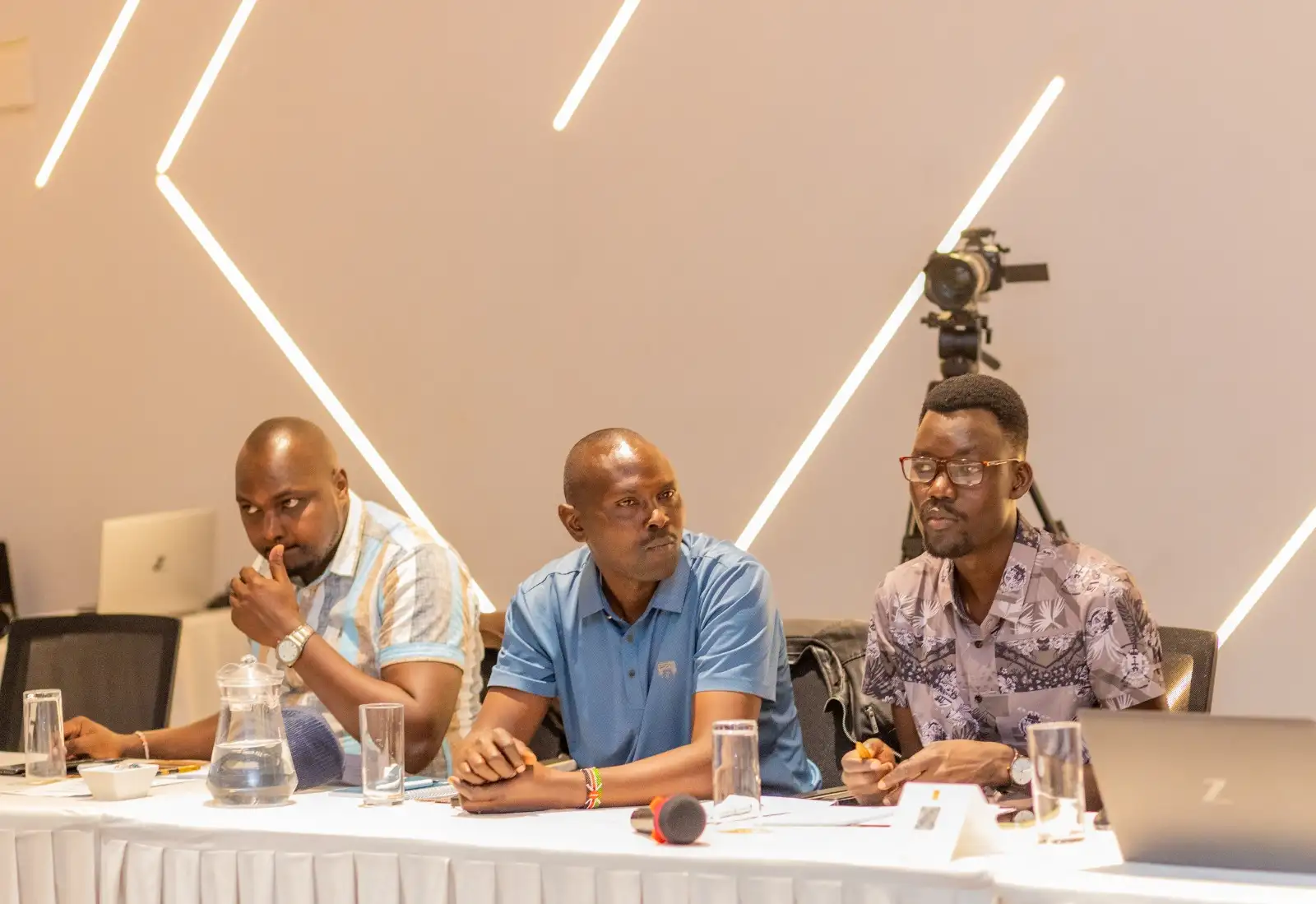

Increasingly, journalists themselves are asking for this guidance. During our recent training in Eldoret, Chaka Sichangi, a director at FELT Africa and an Advocate of the High Court – no less – fielded urgent questions on AI tools, verification, and ethical boundaries throughout his sessions.
A Call to Protect the Future of Radio
As we commemorate World Radio Day 2026, one truth is clear: radio’s future as a voice of truth will depend on media houses, regulators, and government institutions investing in training for this new reality.
FELT Africa partners with media organisations and regulators on research, curriculum development, and professional standards training fit for an AI-driven media landscape. We also invite development institutions and donors to engage with us in building programs that protect the integrity of public discourse.
Innovation can empower. Ethics can inspire. Trust can endure. But only if we work together.