
17 Dec Radio presenters gain skills on putting public good over political interests
With Kenya’s general elections drawing near, election fever has swept across the country. Political activity is in full swing, politicians are refining their messaging, and the rhetoric is growing increasingly heated. Inflammatory statements from politicians are already being documented, ethnic narratives are emerging, and the media finds itself at the center of it all.
Historically elections in Kenya have always been a do-or-die affair, oftentimes the media is forced to juggle a lot to succeed in playing its role in society, In Kenya there are at least 150 radio stations. Vernacular stations make up a huge number of these stations and attract a huge number of listeners.
For politicians, these vernacular radio stations offer the best channel for their messaging not only the grassroots politicians but also leaders seeking election at a national scale. In the ongoing campaign period, politics is already dominating prime and non-prime content aired by radio and other media. Many other public interest stories, with time are going to come second in many news running orders.
The downside to all this, is that these radio stations have limited manpower and technical skills and many a time, journalists and presenters at these outlets frequently face editorial pressures that compromise their independence, with content shaped more by ownership interests and management directives than by journalistic integrity.
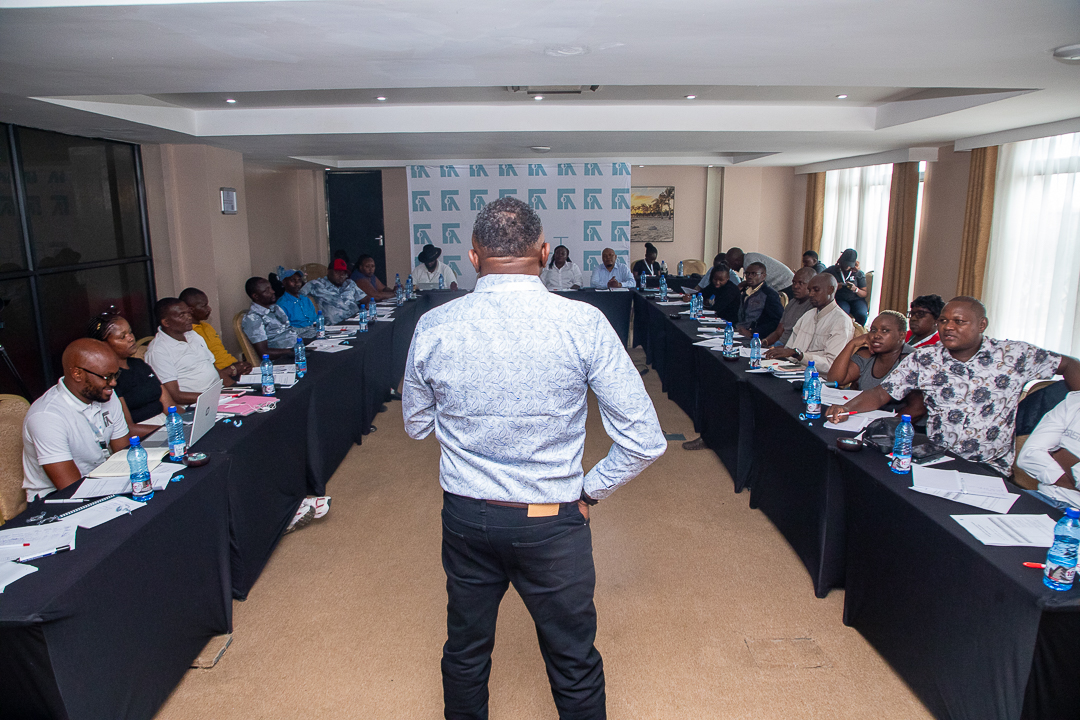
In the most recent FELT Africa Group media training program targeting radio presenters from the Lower Eastern region of Kenya, it became evident that it is increasingly becoming difficult to uphold professional standards in settings where station owners and editorial leadership consistently attempt to control broadcast content.
The trainers guided over 20 participants through challenges facing the media profession, with these issues dominating the topics addressed in the training sessions that have now reached seven regions across Kenya. From editorial interference and how to remain objective, to managing public expectations, achieving balance, fairness, the thin line between activism and journalism and remaining professional.
Here are some of the key areas highlighted by the FELT Africa Group Radio Journalists Training held in Machakos.
- Radio is still key: Despite digital noise, radio remains one of the most trusted and influential platforms in the region. The connection between presenters and their listeners is still unmatched.
- Media makes or breaks national cohesion: Journalists should highlight stories that promote national cohesion, amplify balanced and positive stories more than those that focus on conflict.
- Listeners are sharper than ever: They can pick up bias, tone, and inconsistency. Nothing slips past an engaged and knowledgeable audience, and broadcasters must respect their audience’s intelligence.
- Language shapes perception: Whether discussing governance, public policy, or sensitive issues, the words chosen can inform, inflame, or illuminate; being precise, simple and objective isn’t optional.
- Journalists are not activists: Journalists must remain professional and adhere to the code of conduct. They have a duty to inform with clarity and objectivity and not engage in activism regardless of personal beliefs.
The training that featured radio presenters from 5 lower eastern region counties also offered interesting nuggets for the presenters on how to develop and sustain positive public-interest storytelling that educates as it informs, without focusing on the negative narratives led by social media interactions and most of all without losing the watchdog role that holds power to account and using their profession to influence responsibly.
The FELT Africa Group radio presenters training is scheduled for Rift Valley region in the first quarter of the coming year 2026.