
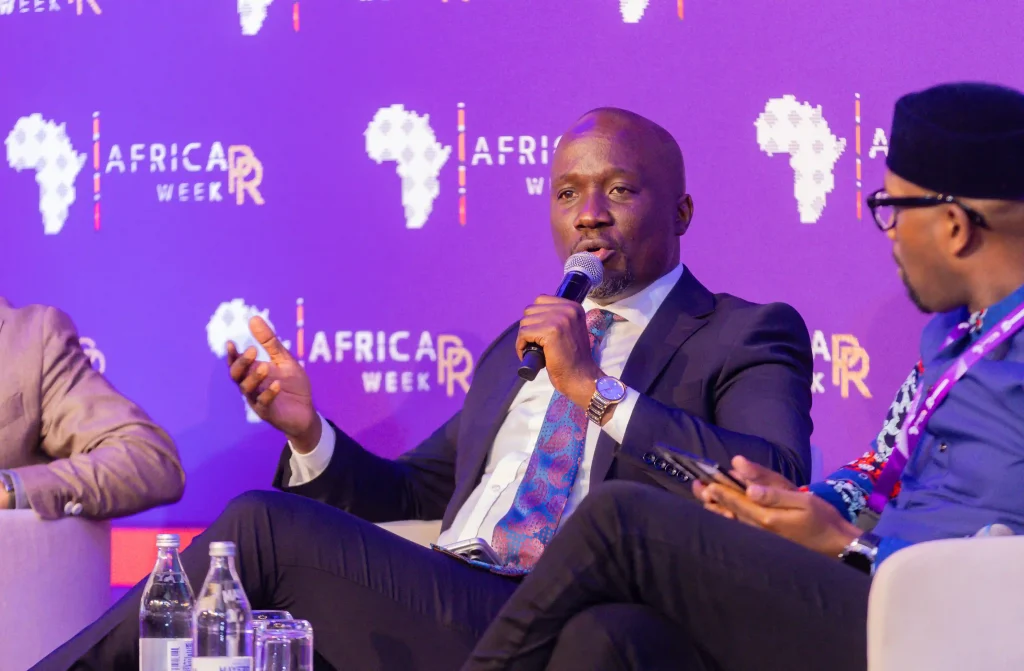
Some speakers walk onto a panel with a script. FELT Africa’s Group Chairman Dennis Onsarigo walked onto the Africa Global PR Week 2026 stage at with… an elephant!
Not literally, of course. But within his first few minutes on the panel titled “The Power of Communication in Shaping Public Policy, Governance & National Development,” he painted a picture that will live long in the memory: a slender mahout in India, guiding a full-grown elephant into a circus ring through skill alone.

That, Dennis told the audience, is the job of a communicator. Not to fight governance, but to guide it. To ride it.
In his own words: “Every time I run into communicators in this room, I always think of a slender guy somewhere in India on top of an elephant. With skill, this man is able to guide this elephant into a circus and people are entertained. That is our job as communicators, to ride this elephant called governance.”
That set the tone for a conversation that never once slowed down.
The Panel
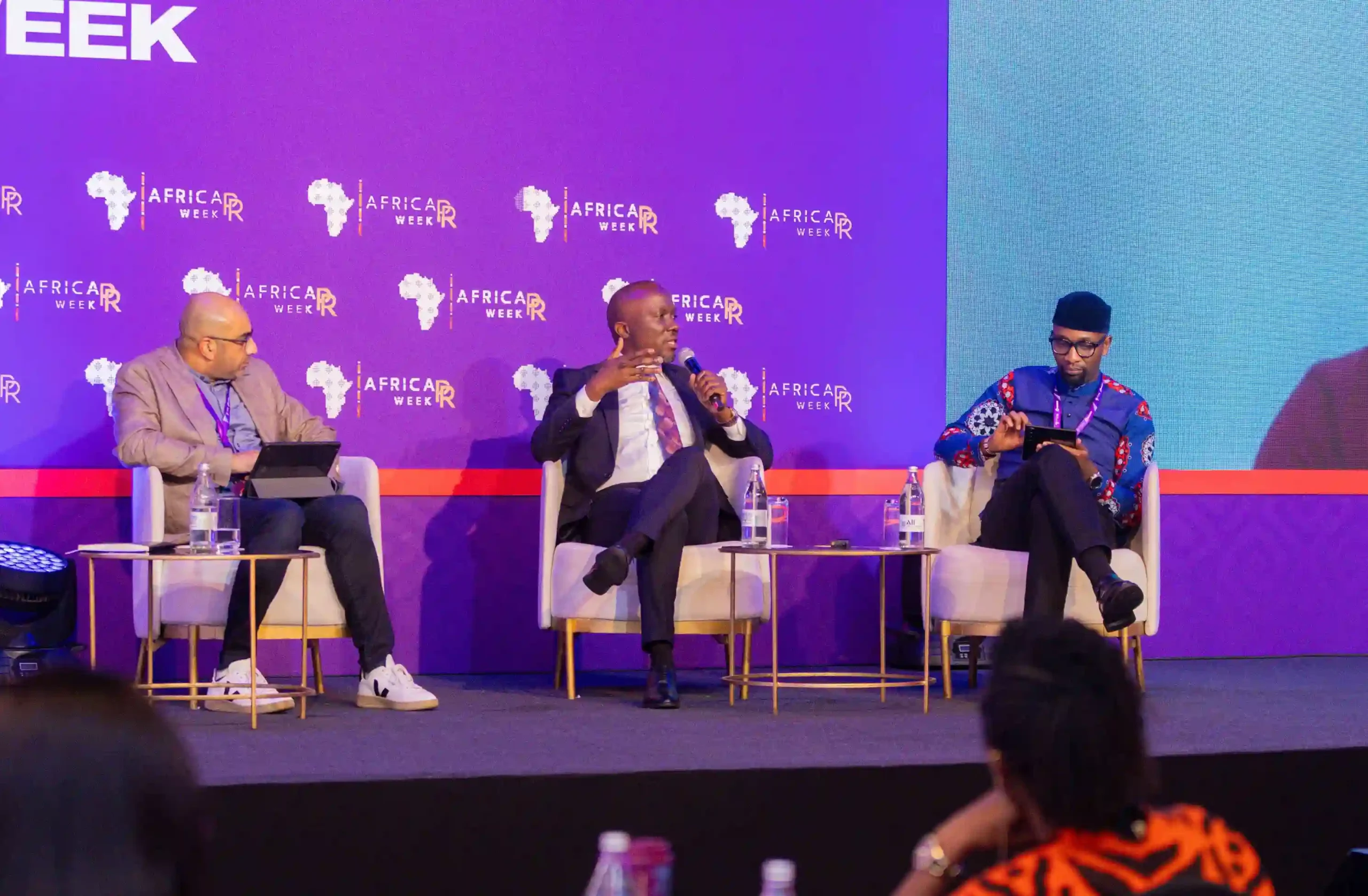
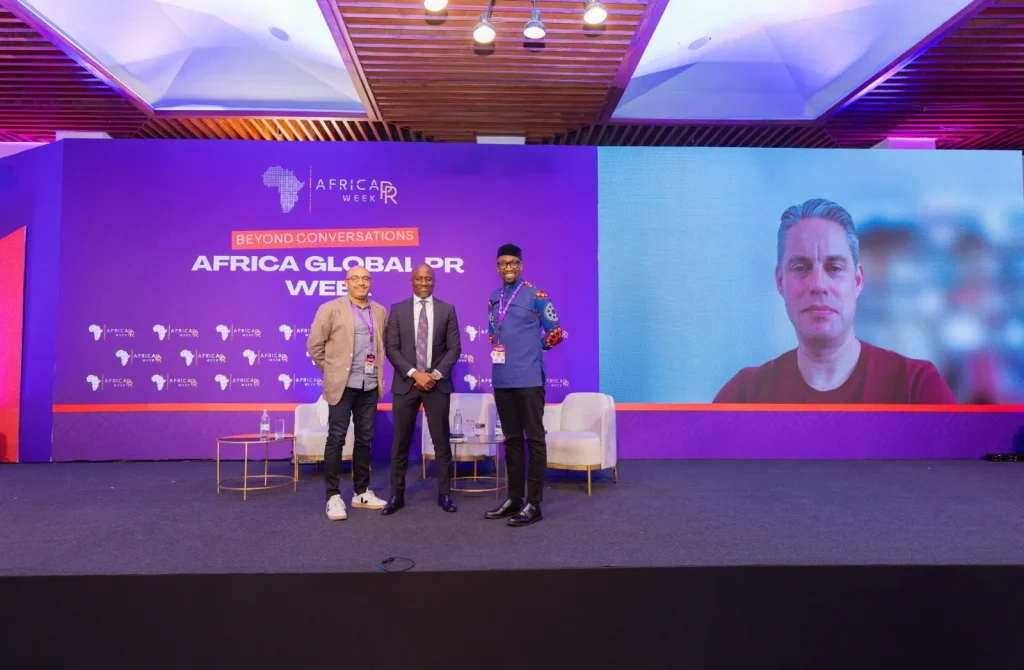
This was the panel line-up that told delegates how seriously the organisers took the ‘Government & Policy’ conversation. Sitting alongside Dennis were:
- Abdul Waheed Patel, Founder and CEO of Ethicore, a firm operating at the sharp edge of policy, regulatory and political process advisory;
- Simon Baugh CBE, who ran Government Communications for the entire United Kingdom and sat on the executive committee at 10 Downing Street and the Cabinet Office; and
- Maina Chege, the Founder of Frontlite Media, as the moderator.
These are not people who speak about governance from the outside. Simon Baugh has personally owned the risk register for public trust in one of the world’s most scrutinised governments. Abdul Waheed Patel has built a career on the exact gap between policy decisions and the communication that follows, or too often, fails to follow them. Our Chairman – a seasoned campaigner with 2 national elections in his belt – was right at home on that stage, full of the ideas that shaped the direction of the entire discussion.
Politics First, Everything Else After
Dennis opened with a position that some in the room may not have expected from a strategist known for building political powerhouses. Africa’s challenge, he argued, was never a shortage of resources, talent, or ideas – but politics itself. Fix the politics, and governance follows. Fail to fix it, and no communicator in the room, however skilled, will be able to explain what governments do, because there will be nothing coherent to explain.
It is a hard truth, delivered without softening, and it framed everything that came after it.
“The problem with this continent is not a lack of resources, great minds, or innovation,” he said. “The problem with this continent is politics. If we cannot fix our politics, we cannot fix governance. And if we cannot fix governance, communicators in this room will not be in a position to communicate what governments do.”
“We Work With States, Not Governments”
The moment that seemed to land hardest with the audience came later, when a delegate asked how public trust survives when communication strategy itself changes with every election cycle. Dennis answered with the philosophy that now defines how FELT Africa approaches government work across the continent.
Governments change, he said. States do not. FELT Africa’s focus has shifted from serving whoever holds power in a given term to serving the institution that outlasts any single administration. That means pushing for unified communication blueprints that survive a change of government, blueprints that a new administration inherits and continues. Without that, Dennis argued, every resets the relationship between citizens and their government back to zero.
“Governments must be in a position to adopt a unified communication approach,” he said. “If a government comes into power tomorrow, it should be willing to allow someone else to sit there and continue implementing this strategy.”
It is a philosophy built directly out of FELT Africa’s own practice areas: Government & Public Sector Advisory and Public Affairs & Government Relations. They are the deliberate response to exactly the problem Dennis described on that stage.

The Closed Feedback Loop
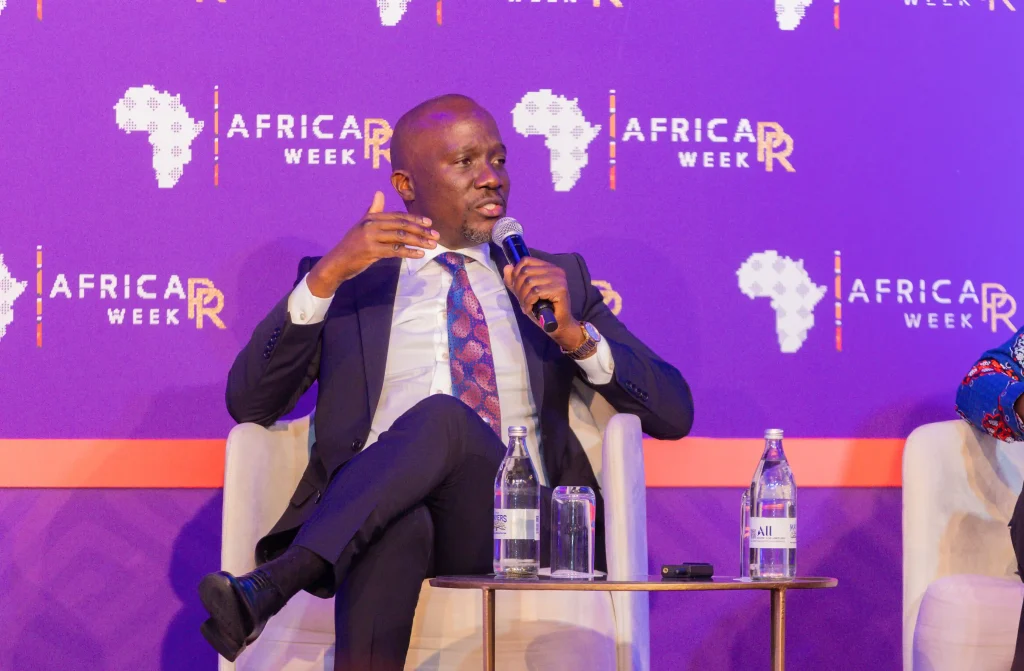
One of the most striking moments of the session came when a delegate pressed the panel on the disconnect between government policy and public communication. Dennis’s answer stripped away the polish.
“The feedback loop is closed,” he said. “Governments sit in a room, make decisions, and then come out and announce those decisions. As communicators, we are not allowed to sit in those rooms to have such conversations with government officials.”
He drew on his own record for proof, saying that when you sit with a leader such as the late former Prime Minister Raila Odinga, who valued public participation more than most, it becomes clear how far there still is to go in bringing citizens into the room where the real decisions get made.
That gap catches up with leaders eventually. “After many years, you sit in a room with a top government official, and he tells you, ‘Can you fix this communication gap? Why are these people not understanding that I’ve done so much for them?’ But he doesn’t realize that the time to communicate was while he was settled in office, not when seeking re-election.”
Where The Room’s Questions Kept Going
By the time the floor opened for audience questions, the moderator had a familiar problem: too many good ones, and not enough time. Delegates voted on their phones for the questions they most wanted answered, and the panel worked through as many as the clock allowed.
But Dennis’s inbox of questions kept growing faster than the panel could clear it. By the moderator’s own count, 16 separate questions came in for him specifically.
Not to worry. Dennis has come to expect that kind of curiosity – having been a trailblazer in his 14 years in media, Press Secretary to former Prime Minister Raila Odinga through 2 of the most hotly contested elections in the country, and now serving as Strategic Communications Advisor to the Nairobi County Government.
Why The Stage Belonged to FELT Africa
Every practice area FELT Africa has built its name on found its way into this panel, tested in real time against some of the sharpest minds in global communication.
Conversations like this one matter, but FELT Africa’s role moves beyond discourse. We shape thinking, and then we go further, into the strategy, the execution, and the results that governments across the region and the continent depend on.