
(Trigger warning: this article references a fatal incident)
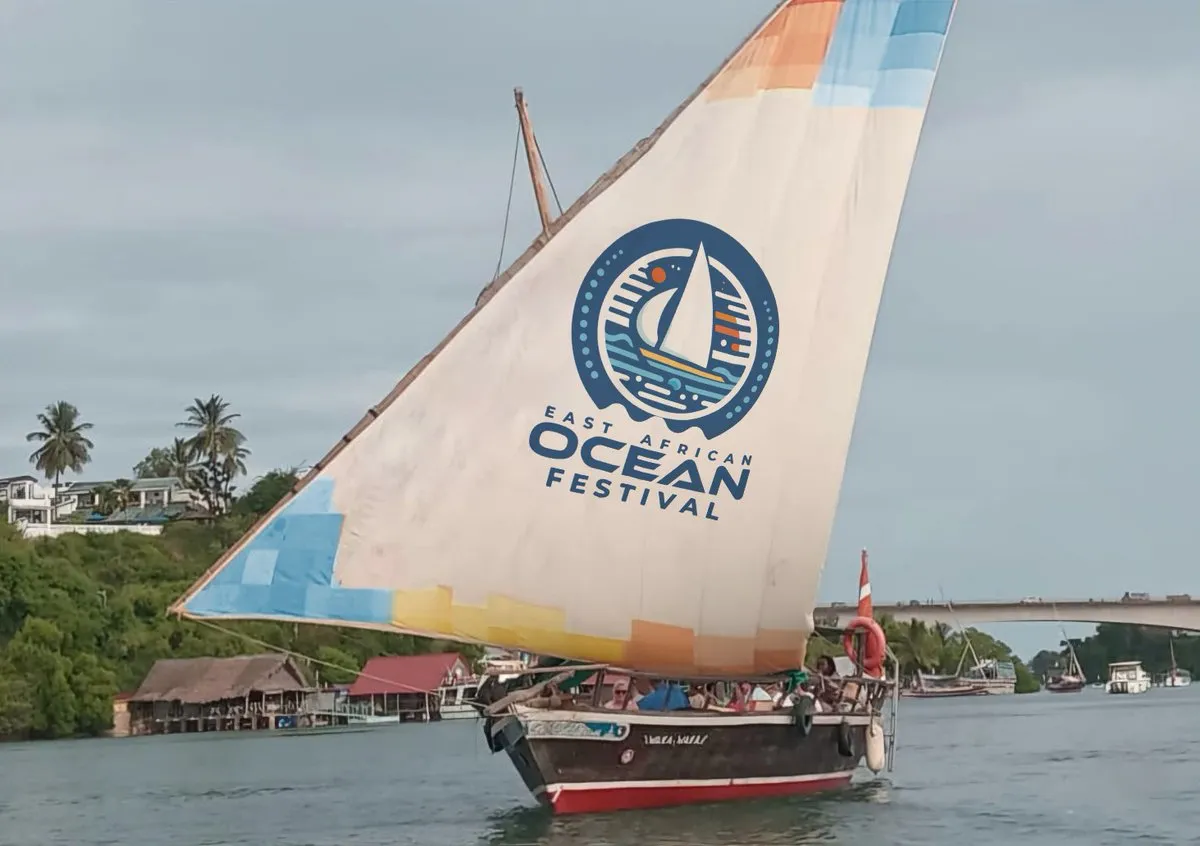
On Friday, 10th October, tragedy struck during the East Africa Ocean Festival in Tudor Creek, Mombasa.
A dragon boat carrying 22 participants capsized in the Indian Ocean. 19 were rescued, some requiring resuscitation, while three remained missing. By Sunday, the media reported one body had been recovered.
As I write this, I extend my condolences to the families affected by this incident.
The 30-second video circulating widely on social media showed two boats racing closely before one suddenly overturned. What was equally alarming was the apparent lack of an immediate emergency response from nearby onlookers and event officials.
In the hours that followed, the story dominated local media. Organizers issued statements, government officials gave remarks, and families expressed both grief and disappointment.
Beyond the heartbreak, this tragedy exposes serious weaknesses in Kenya’s crisis preparedness and communication culture, especially in high-risk public events.
This analysis is about accountability and learning, not blame.
When lives are lost, communication is not just a protocol; it becomes a lifeline.
Lesson 1: Crisis Preparedness Begins Before the Event
Every event must start with the safety of participants at its core.
The organizers’ initial statement, released late Friday night, acknowledged the accident and mentioned that “the safety of our participants remains our highest priority.”

A follow-up statement two days later listed safety measures, risk frameworks, and rescue coordination efforts – clearly an attempt to reassure the public. However, eyewitness accounts and circulating footage suggested that participants on the capsized boat were not wearing life jackets.

Without a transparent and verifiable safety protocol, the credibility of any communication quickly erodes.
Crisis preparedness begins long before the crisis – through risk assessments, emergency simulations, and coordination with first responders. Once public doubt emerges, organizations move into a defensive posture and lose trust rapidly.
Lesson 2: Accountability Is Stronger Than Defence
The first hour after a crisis defines public trust.
In this case, the organizers’ first statement was released around 10 PM, hours after the incident. During that gap, media speculation and public rumour filled the vacuum.
A Crisis Communication Protocol (anchored in the CERC model) emphasizes timely, factual, and empathetic messaging. Tell it All, Tell it Fast, Tell it Often. Regular, transparent updates – even short ones – reassure both the public and affected families.
In their later statement, references to safety manuals and procedures appeared defensive. A more effective approach would have been to say:
“We are reviewing safety compliance records with relevant authorities to understand any procedural lapses.”
This phrasing conveys ownership rather than denial, and earns public empathy even amid tragedy.
Lesson 3: Lead with Humanity
In crises involving loss of life, people seek human presence, not corporate posture.
Empathy must come first, not as the closing paragraph of a press release.
The East Africa Ocean Festival would have benefited from appointing a visible spokesperson – someone seen comforting families, giving live updates, and embodying the organization’s compassion.
To their credit, Jomvu MP Bady Twalib, the Governor of Mombasa, and the Deputy President of Kenya were all visibly present and offered reassurance. Their engagement demonstrated what it means to communicate with humanity during tragedy.
In crisis communication, people don’t remember your logistics – they remember your humanity.
Closing Reflection
The East Africa Ocean Festival tragedy is a sobering reminder that safety, communication, and accountability are inseparable.
Kenya’s growing events and tourism sectors must embed crisis preparedness as a standard practice – not an afterthought.
In the next part of this audit, I will examine how local authorities communicated during and after the incident, and how public institutions and PROs can collaborate to develop a national Crisis Communication Framework for Event Safety in Kenya.